The Transformative Power: 7 Profound Insights into the Spiritual Meaning of Offering
The Spiritual Meaning of Offering reveals how sacred giving, sacrifice, gratitude, and devotion transform the heart, strengthen faith, and deepen spiritual growth.
The Spiritual Meaning of Offering goes far beyond placing flowers on an altar or donating money at a place of worship. At its heart, it represents surrender, gratitude, humility, and a deep desire to connect with something greater than ourselves. Across cultures and religions, people have practiced sacred giving as a powerful act of devotion. And honestly, it’s not just about the gift — it’s about the heart behind it.
In simple words, an offering is a gift given with respect, love, or faith. But spiritually speaking, it’s much deeper. It’s a symbolic exchange. We give something of value, and in return, we receive blessings, peace, clarity, or growth. This sacred rhythm of giving and receiving forms the foundation of many spiritual traditions.
Introduction to Sacred Giving and Devotional Acts
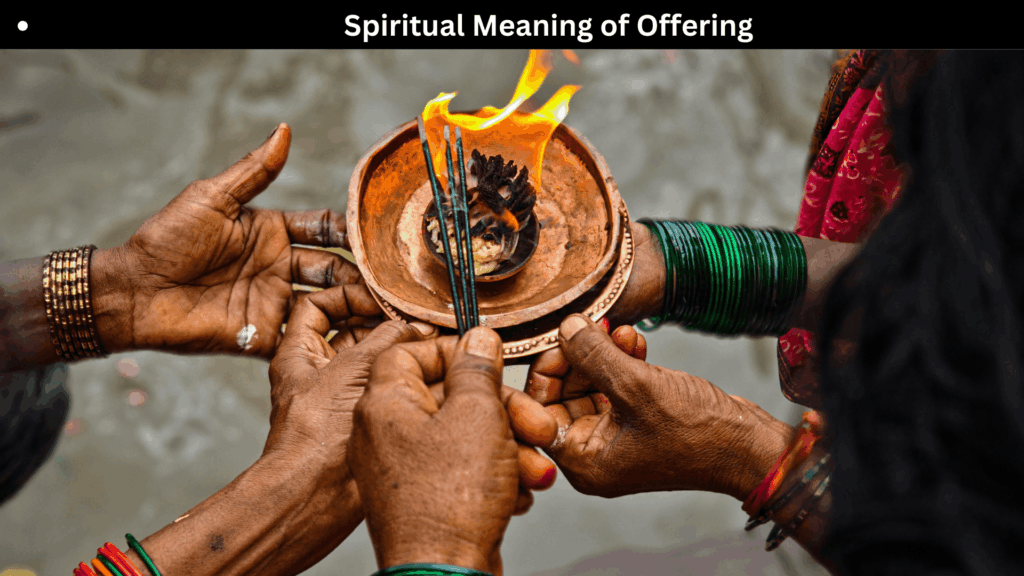
Human beings have always felt the urge to give. From ancient times to today, offerings have been a bridge between the physical and spiritual worlds. Whether it’s lighting incense, donating food, or offering silent prayers, these acts express devotion.
Defining Offering in Religious and Spiritual Contexts
In temples, churches, mosques, and shrines, offerings take many forms. In Bhagavad Gita, devotion through action is praised as a sacred duty. In Holy Bible, believers are encouraged to present themselves as a “living sacrifice.” In Qur’an, charity purifies wealth and strengthens compassion.
Though practices differ, the core message remains: give with sincerity.
The Universal Human Instinct to Give
Anthropologists note that early societies practiced ritual sacrifices to honor gods and ensure survival. Giving created a sense of balance. Spiritually, this instinct reflects our understanding that life itself is a gift.
Historical Roots of Offerings in Ancient Civilizations
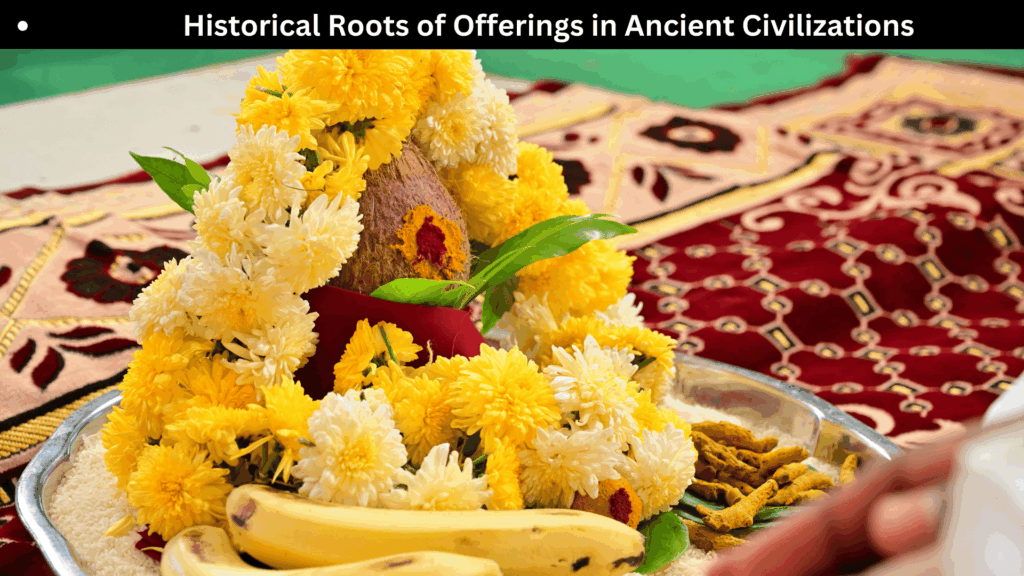
Ancient cultures placed enormous value on offerings. In Ancient Egypt, people presented food and incense to deities in temples. In Ancient Greece, libations and animal sacrifices were common. These acts symbolized respect and dependence on divine favor.
Vedic Yajna and Fire Rituals
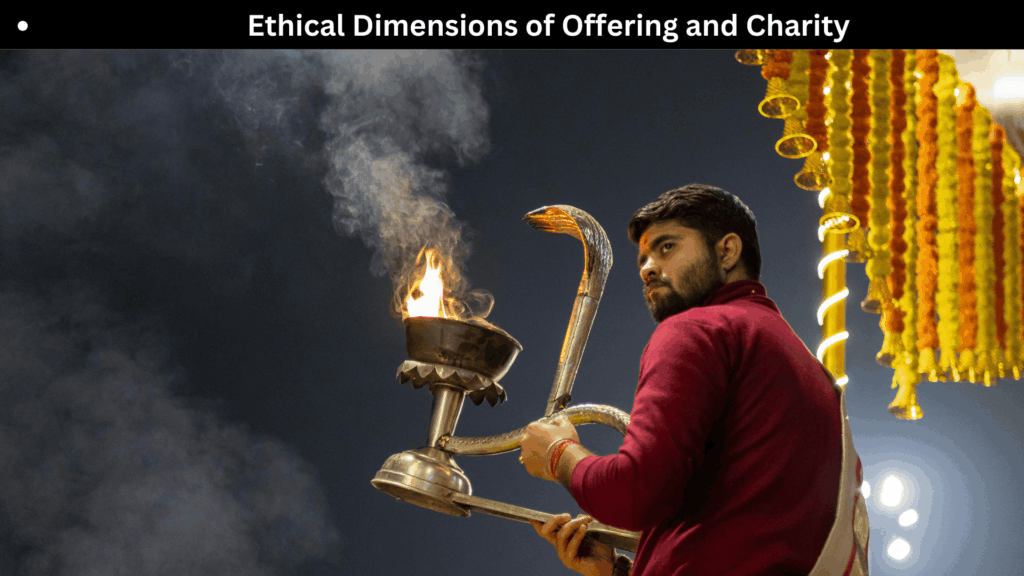
In Vedic tradition, fire ceremonies called yajna involve offering grains, ghee, and herbs into sacred flames. Fire acts as a messenger carrying prayers to the divine realm.
Indigenous and Tribal Sacred Gifts
Indigenous communities often offer tobacco, cornmeal, or water to nature spirits. These gestures express gratitude toward Earth, recognizing the sacredness of life.
Symbolism Behind Ritual Sacrifice and Sacred Gifts
The act of giving holds symbolic power.
Gratitude, Surrender, and Humility
When we offer something valuable, we acknowledge that we are not in total control. This humility opens the heart. Gratitude flows naturally, and ego softens.
Energy Exchange and Divine Reciprocity
Many traditions believe in spiritual reciprocity — what you give returns multiplied. This is closely linked to the concept of karma.
Types of Offerings Across Faith Traditions
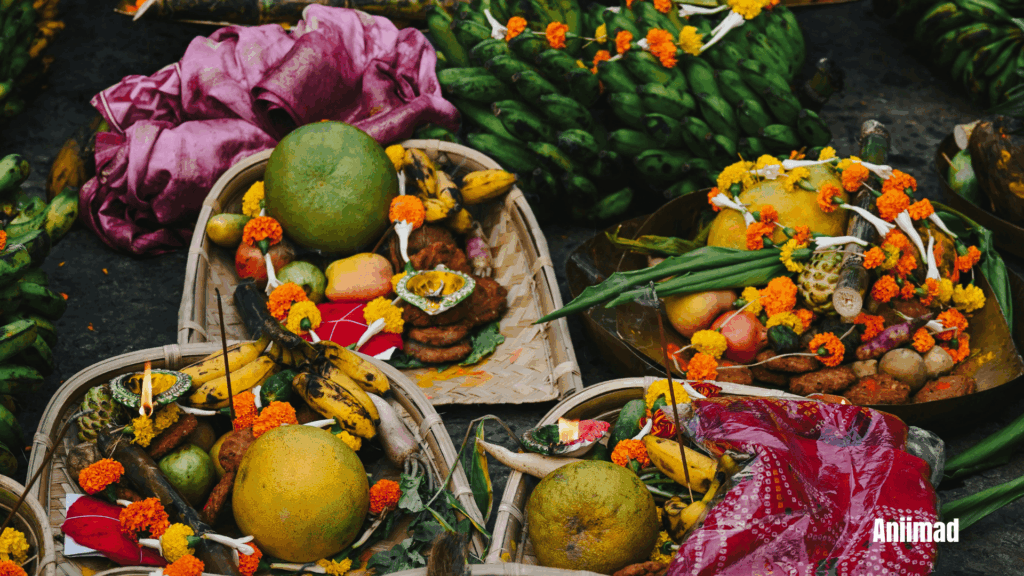
Offerings vary widely but share similar intent.
Material Offerings: Food, Flowers, Incense, and Wealth
These tangible gifts represent appreciation. Food symbolizes nourishment. Flowers represent beauty and impermanence. Incense signifies rising prayers.
Non-Material Offerings: Prayer, Time, Service, and Intention
Service to others, often called seva, is considered one of the highest offerings.
Living Sacrifice in Christianity
Believers dedicate their lives to righteous living.
Zakat and Charity in Islam
Zakat ensures wealth circulates fairly within society.
Dana in Buddhism and Hinduism
Dana means generosity without expectation of reward.
The Spiritual Meaning of Offering in Daily Life
Offerings aren’t limited to rituals. You can offer your daily work, your patience, even your struggles.
Offering Work as Worship
When done with dedication, ordinary tasks become sacred.
Acts of Kindness as Sacred Gifts
Helping a neighbor, feeding the hungry, or speaking kindly — these are offerings too.
Psychological and Emotional Benefits of Sacred Giving
Generosity heals the giver.
Healing Through Letting Go
When you release attachment, emotional burdens lighten.
Building Faith and Inner Peace
Giving strengthens trust in divine provision.
Offerings as Tools for Manifestation and Intention Setting
Rituals help focus energy.
Ritual as Focused Energy Practice
Symbolic gestures anchor intentions.
Aligning Personal Desires with Higher Will
True manifestation respects divine wisdom.
Sacred Spaces: Altars, Temples, and Holy Grounds
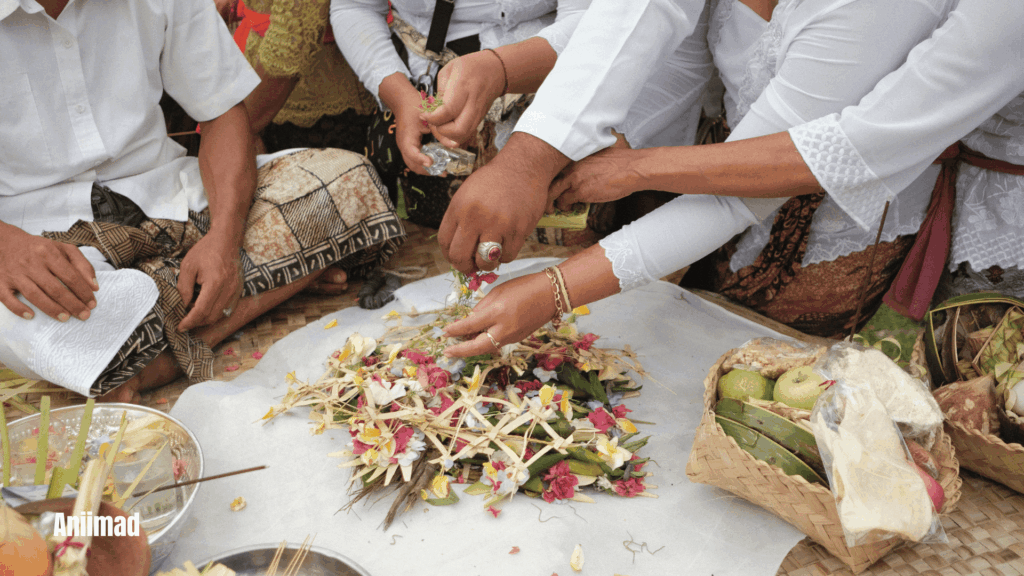
Sacred spaces amplify intention.
Home Altars and Personal Devotion
A simple candle-lit corner can become a holy place.
Pilgrimage and Collective Rituals
Community offerings unite hearts.
Common Misconceptions About Religious Offerings
Is Offering a Bribe to the Divine?
No. It’s an act of love, not negotiation.
Material vs. Spiritual Intentions
The value lies in sincerity, not cost.
Modern Interpretations of Sacred Giving
Today, people donate online, support charities, and protect nature.
For example, global humanitarian efforts like those led by United Nations encourage charitable responsibility worldwide.
Ethical Dimensions of Offering and Charity
Giving must be honest and balanced.
Responsible Giving and Social Justice
Support causes that uplift communities.
Balancing Sacrifice with Self-Care
You can’t pour from an empty cup.
FAQs
What is the true purpose of an offering?
To express gratitude, devotion, and surrender.
Does the value of the gift matter?
No. Intention matters more than price.
Can daily actions be offerings?
Absolutely. Service and kindness count.
Is offering required in every religion?
Forms differ, but generosity is universal.
Can offerings change destiny?
They transform character, which shapes destiny.
How often should one give offerings?
As often as the heart feels guided.
Conclusion
The Spiritual Meaning of Offering teaches us that giving is not loss — it is expansion. When we offer something with love, we create space for growth. We learn humility. We practice gratitude. We strengthen faith.