The Spiritual Meaning of Forgiveness: A Powerful Guide to Inner Freedom (7 Truths)
Spiritual Meaning of Forgiveness explained through timeless wisdom, inner healing, and practical steps to release pain and reclaim peace.
Forgiveness is often spoken of as a moral duty, yet its deeper value lies in its spiritual power. At its core, forgiveness is the conscious decision to release resentment, anger, and the desire for revenge. The Spiritual Meaning of Forgiveness is not about excusing wrongdoing or denying pain. Instead, it is about freeing the soul from emotional burdens that block peace, growth, and clarity.
Across cultures and belief systems, forgiveness is seen as a doorway to inner freedom. When we forgive, we loosen the grip of the past and allow healing energy to move through us. This spiritual act restores balance, calms the mind, and opens the heart to compassion. In many ways, forgiveness is less about the other person and more about reclaiming our own well-being.
Spiritually, forgiveness teaches humility and wisdom. It invites us to see human flaws with understanding rather than judgment. By choosing forgiveness, we align ourselves with higher values such as love, mercy, and inner harmony. Over time, this choice reshapes our character and strengthens our connection to our inner self.
Understanding Forgiveness Beyond Apologies
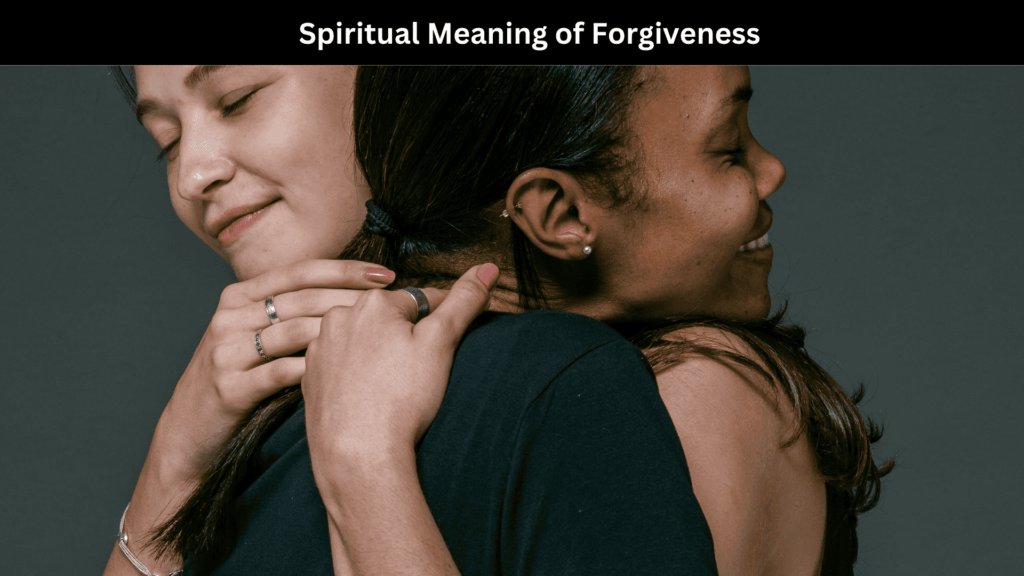
Forgiveness goes far beyond hearing the words “I’m sorry.” An apology may acknowledge harm, but forgiveness is an inner process that happens within the heart and mind. Spiritually speaking, forgiveness is an act of self-care. It allows us to step out of emotional pain without waiting for external validation.
Many people confuse forgiveness with forgetting. In truth, remembering a lesson does not mean holding onto anger. Forgiveness means learning from the experience while letting go of emotional poison. It is a mature response that balances awareness with peace.
Another common misunderstanding is that forgiveness weakens us. Spiritually, the opposite is true. Forgiveness requires courage, self-awareness, and strength. It takes bravery to face pain honestly and choose release over resentment. This inner strength becomes a foundation for spiritual growth.
Forgiveness as a Universal Spiritual Principle

Forgiveness appears in spiritual teachings around the world because it addresses a shared human struggle: suffering caused by attachment to pain. Whether expressed through prayer, meditation, or moral teachings, forgiveness is often presented as a path to enlightenment and freedom.
In ancient wisdom traditions, forgiveness was seen as essential to maintaining harmony within the self and society. It helped individuals break cycles of revenge and restore balance. These teachings recognized that unresolved anger clouds judgment and disrupts inner peace.
By practicing forgiveness, individuals align with universal principles of compassion and balance. This alignment supports emotional clarity and spiritual maturity. Forgiveness becomes a bridge between personal healing and collective harmony.
Ancient Spiritual Teachings on Forgiveness
Ancient philosophies treated forgiveness as a sacred responsibility. In Eastern traditions, releasing anger was linked to mental clarity and spiritual awakening. In Western traditions, forgiveness was often tied to moral virtue and divine grace.
Stoic philosophers taught that anger harms the one who holds it more than the one who caused it. Their teachings encouraged inner discipline and emotional control through understanding and acceptance. Similarly, early spiritual teachers emphasized mercy as a sign of wisdom.
These ancient insights remain relevant today. They remind us that forgiveness is not a modern idea but a timeless spiritual tool for inner balance and peace.
The Emotional Weight of Unforgiveness
Holding onto resentment can feel justified, yet it quietly drains emotional and spiritual energy. Unforgiveness often shows up as tension, bitterness, or constant replaying of past events. Spiritually, this state keeps the soul tied to old wounds.
When anger lingers, it affects thoughts, behavior, and even physical health. Emotionally, it limits joy and trust. Spiritually, it blocks growth by anchoring awareness in the past rather than the present.
Letting go does not erase what happened, but it changes our relationship with the memory. Forgiveness lifts emotional weight and creates space for calm and clarity to return.
How Holding Grudges Affects the Soul
From a spiritual perspective, grudges act like heavy chains. They bind the soul to pain and prevent emotional freedom. Over time, this attachment can dull compassion and harden the heart.
Grudges also distort perception. When resentment is present, it becomes difficult to see situations clearly or respond with wisdom. Spiritually, this clouds intuition and inner guidance.
Releasing grudges restores flow. Energy that was trapped in anger becomes available for creativity, love, and growth. The soul feels lighter, and life feels more open.
The Spiritual Cost of Resentment

Resentment carries a quiet cost. It steals peace, disrupts relationships, and weakens spiritual focus. Many spiritual teachings warn that resentment keeps individuals stuck in cycles of suffering.
When resentment dominates, it narrows awareness and reinforces separation. Forgiveness, on the other hand, reconnects us with empathy and understanding. It shifts focus from blame to healing.
By choosing forgiveness, we protect our inner world. We prevent past harm from shaping our future and reclaim authority over our emotional life.
Forgiveness and Inner Healing
Inner healing begins when we allow ourselves to feel pain without becoming consumed by it. Forgiveness supports this process by softening emotional defenses and inviting compassion inward.
Spiritually, forgiveness acts like a balm for the heart. It soothes emotional wounds and restores balance. This healing does not happen overnight, but each act of forgiveness moves the soul closer to peace.
As healing deepens, self-awareness grows. Forgiveness helps us understand our emotional patterns and respond with greater wisdom in the future.
Healing the Heart Through Compassion
Compassion is the bridge between pain and forgiveness. When we understand that others act from their own wounds and limitations, the heart begins to soften.
This does not justify harm, but it reduces emotional charge. Compassion allows us to step back and see the broader human experience. Spiritually, it expands awareness beyond personal hurt.
Practicing compassion strengthens emotional resilience. It teaches the heart to remain open, even in difficult circumstances.
Self-Forgiveness as Sacred Practice
One of the most overlooked aspects of forgiveness is forgiving oneself. Many people carry guilt, regret, or shame for past choices. Spiritually, self-forgiveness is essential for inner peace.
Without self-forgiveness, growth is limited. The mind stays trapped in self-judgment, and the heart remains closed. Forgiving oneself means acknowledging mistakes while allowing space for learning and renewal.
This practice restores self-respect and confidence. It affirms that growth is possible and that the soul is not defined by past errors.
Forgiveness in Major Spiritual Traditions
Spiritual traditions across the world emphasize forgiveness as a pathway to peace and enlightenment. Though expressed differently, the core message remains the same: release leads to freedom.
In many belief systems, forgiveness is linked to divine qualities such as mercy, compassion, and wisdom. Practicing it brings individuals closer to spiritual ideals and inner harmony.
These shared teachings highlight forgiveness as a universal truth rather than a cultural preference.
Forgiveness in Christian Spirituality
In Christian teachings, forgiveness is central to spiritual life. It is closely tied to love, grace, and humility. Forgiving others is seen as a reflection of divine mercy.
Christian spirituality teaches that forgiveness heals both the giver and the receiver. It restores relationships and aligns the heart with higher values. Through forgiveness, believers cultivate peace and spiritual maturity.
This emphasis reinforces forgiveness as an act of faith and inner strength.
Forgiveness in Eastern Wisdom
Eastern philosophies often connect forgiveness with freedom from attachment and suffering. Letting go of anger is viewed as essential for mental clarity and spiritual awakening.
Teachings on karma emphasize that releasing resentment prevents negative cycles from continuing. Forgiveness clears emotional patterns and supports inner balance.
Through this lens, forgiveness is a practical tool for spiritual progress and emotional well-being.
The Transformational Power of Forgiveness
Forgiveness transforms how we relate to ourselves, others, and life itself. It shifts perspective from victimhood to empowerment. Spiritually, this transformation marks a turning point toward inner freedom.
As forgiveness deepens, emotional reactions soften. Life feels lighter, and challenges become easier to navigate. This change reflects inner alignment and spiritual growth.
Forgiveness does not change the past, but it reshapes the future.
Forgiveness as a Path to Freedom
True freedom comes from releasing what no longer serves the soul. Forgiveness breaks emotional chains and restores inner authority. It allows individuals to respond rather than react.
Spiritually, this freedom opens the door to joy and clarity. The mind becomes calmer, and the heart becomes more open. Life feels less burdened by old stories.
Choosing forgiveness is choosing peace.
Letting Go Without Excusing Harm
Forgiveness does not require ignoring boundaries. Spiritually healthy forgiveness recognizes harm while choosing not to carry hatred. This balance protects both inner peace and personal safety.
Letting go means releasing emotional attachment, not allowing repeated harm. It is possible to forgive while maintaining distance and self-respect.
This approach honors wisdom and compassion equally.
Forgiveness and Mindfulness
Mindfulness supports forgiveness by grounding awareness in the present moment. When the mind is present, old emotional loops lose their power.
Through mindful observation, feelings of anger can be noticed without judgment. This awareness creates space for choice and healing.
Forgiveness becomes easier when we stop feeding painful memories with constant attention.
Meditation Practices for Forgiveness
Meditation helps calm the mind and open the heart. Loving-kindness practices, in particular, encourage gentle release of resentment.
By focusing on compassion, meditation softens emotional resistance. Over time, forgiveness feels more natural and less forced.
These practices support emotional clarity and spiritual balance.
(For further insight, see resources from Psychology Today on forgiveness and emotional health.)
Forgiveness in Relationships
Relationships often test our ability to forgive. Hurt feelings, misunderstandings, and broken trust can create deep wounds. Spiritually, forgiveness helps repair emotional bonds.
When practiced sincerely, forgiveness restores communication and understanding. It allows relationships to evolve rather than end in bitterness.
Even when reconciliation is not possible, forgiveness brings inner peace.
Forgiving Family and Close Friends
Family relationships carry strong emotions and expectations. Forgiveness in these connections can be challenging but deeply healing.
Spiritually, forgiving loved ones releases long-held patterns and emotional pain. It supports growth for all involved.
This process often requires patience and self-compassion.
Forgiveness Without Reconciliation

Forgiveness does not always mean reconnecting. Sometimes, peace comes from letting go while maintaining distance.
Spiritually, this form of forgiveness prioritizes inner calm over external harmony. It honors personal boundaries while releasing resentment.
This choice reflects wisdom and self-respect.
Forgiveness and Karma
Karma teaches that actions and intentions shape experience. Forgiveness interrupts negative cycles by changing inner responses.
By releasing anger, individuals prevent further emotional harm. Spiritually, this clears karmic patterns and supports renewal.
Forgiveness becomes a tool for conscious living.
Clearing Karmic Patterns Through Forgiveness
When forgiveness is practiced sincerely, it dissolves emotional attachments that fuel recurring challenges. This release creates space for new experiences.
Spiritually, clearing karmic patterns leads to greater peace and insight. Life feels less repetitive and more intentional.
Forgiveness supports spiritual evolution.
Common Myths About Forgiveness
Many believe forgiveness means weakness, forgetting, or approval of harm. Spiritually, these myths limit healing.
True forgiveness is a choice rooted in strength and awareness. It protects inner peace without denying reality.
Understanding these myths helps remove resistance to forgiveness.
Practical Spiritual Steps to Forgive
Forgiveness can be practiced daily through reflection, journaling, prayer, or meditation. These steps support emotional release and clarity.
Setting intentions to let go reinforces commitment. Over time, forgiveness becomes a natural response rather than a struggle.
Consistency strengthens results.
Signs You Have Truly Forgiven

Inner calm, emotional neutrality, and reduced reactivity are signs of genuine forgiveness. The memory may remain, but pain fades.
Spiritually, forgiveness feels like lightness and acceptance. Life becomes less burdened by the past.
These signs reflect true inner healing.
FAQs
Is forgiveness a one-time act?
No. It is often a gradual process that deepens over time.
Can forgiveness happen without an apology?
Yes. Forgiveness is an inner choice independent of others.
Does forgiveness remove consequences?
No. It releases emotional burden, not responsibility.
Is self-forgiveness important?
Yes. It supports growth and emotional balance.
Can forgiveness improve mental health?
Yes. It reduces stress and supports well-being.
Is forgiveness a spiritual duty?
Many traditions see it as a path to inner peace.
Conclusion
Living with forgiveness is living with freedom. When the heart releases resentment, the soul regains peace and clarity. The Spiritual Meaning of Forgiveness lies in this liberation from emotional weight and spiritual stagnation.