The Powerful Spiritual Meaning of Trust: 7 Life-Changing Truths You Must Know
Discover the Spiritual Meaning of Trust and uncover how faith, surrender, and inner wisdom transform relationships, healing, and personal growth.
Introduction to the Spiritual Meaning of Trust
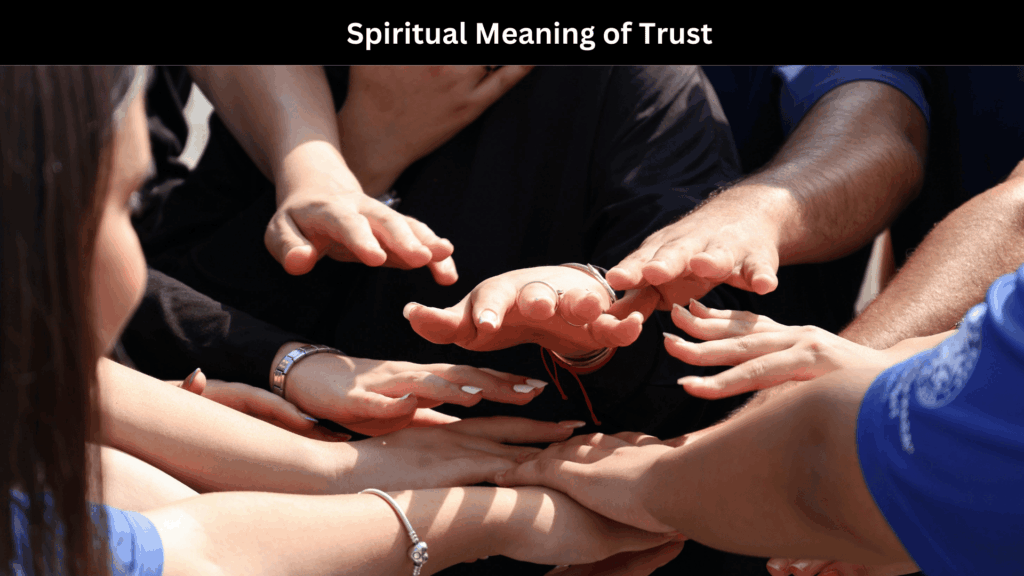
The Spiritual Meaning of Trust goes far beyond simply believing in others or expecting things to work out. At its core, trust is a sacred inner agreement between the soul and life itself. It is the quiet confidence that even when circumstances feel uncertain, there is a deeper order guiding events toward growth, learning, and healing.
From a spiritual point of view, trust is not passive. It is active alignment. It means choosing peace over panic, faith over fear, and wisdom over control. Many spiritual traditions teach that trust is the foundation of inner freedom because it allows the heart to open without constant resistance.
When trust is present, the soul relaxes. Energy flows more freely. Decisions feel clearer. Relationships become more honest. Without trust, however, fear tightens its grip, leading to anxiety, doubt, and emotional exhaustion. This is why spiritual teachers across cultures describe trust as a gateway to enlightenment, emotional balance, and divine connection.
In daily life, trust shows up in subtle ways—believing your intuition, accepting delays as redirection, and understanding that setbacks may carry hidden lessons. Spiritually speaking, trust is the bridge between where you are and where your soul is meant to go.
Historical and Cultural Perspectives on Trust

Trust as a Universal Spiritual Principle
Across history, trust has been viewed as a divine virtue. Ancient civilizations understood that human life depends not only on effort but also on surrender. Trust allowed people to cooperate with unseen forces—nature, destiny, and higher intelligence.
Indigenous cultures often taught trust through harmony with the natural world. Seasons changed, storms arrived, and harvests followed. Trust was not optional; it was survival wisdom woven into spiritual practice.
Eastern Philosophies and Inner Faith
In Eastern traditions such as Buddhism and Taoism, trust is deeply connected to flow and acceptance. Taoist philosophy teaches wu wei, or effortless action, which encourages trusting the natural order rather than forcing outcomes.
Buddhism emphasizes trust in awareness and impermanence. By trusting that all experiences pass, suffering loses its grip. This spiritual trust leads to detachment, clarity, and compassion.
Western Religious Interpretations
In Christianity, trust is expressed as faith in God’s plan. Scriptures frequently emphasize trusting even when understanding is limited. Similarly, Islamic teachings highlight tawakkul, complete reliance on divine wisdom after sincere effort.
Judaism, too, values trust as a covenantal relationship with the divine, where obedience and faith work hand in hand. Across these traditions, trust is portrayed as spiritual maturity rather than weakness.
Trust and the Human Soul Connection

Emotional Healing Through Spiritual Trust
One of the most profound aspects of the Spiritual Meaning of Trust is its healing power. Emotional wounds often form when trust is broken—by others or by life itself. Spiritually, healing begins when trust is restored within the self.
Trust teaches the soul that pain does not equal punishment. Instead, pain often signals transformation. When you trust this process, emotional resilience strengthens, and old fears begin to loosen their hold.
Letting Go of Fear and Control
Fear thrives on control. The need to predict every outcome blocks spiritual growth. Trust, on the other hand, invites surrender—not giving up, but letting go of unnecessary resistance.
By trusting life’s timing, the soul conserves energy. Inner peace grows. Decisions become intuitive rather than reactive. Over time, this creates a deep sense of spiritual safety.
Spiritual Meaning of Trust in Relationships

Trust as Sacred Energy Exchange
Spiritually, trust is an energetic exchange. When trust is present, energy flows openly between people. When trust is broken, energy contracts, leading to emotional distance and misunderstanding.
Healthy relationships require spiritual trust—not blind belief, but conscious confidence rooted in honesty and respect.
Trust Between Partners
In romantic relationships, spiritual trust allows vulnerability without fear. It creates emotional intimacy, mutual growth, and soul-level bonding. Without it, love becomes guarded and conditional.
Trust in Family and Community
Families and communities thrive when spiritual trust exists. It fosters cooperation, forgiveness, and shared purpose. Spiritually speaking, trust transforms groups into supportive ecosystems rather than sources of stress.
Trust in the Divine and Higher Power
Faith, Surrender, and Spiritual Alignment
Trusting a higher power does not mean avoiding responsibility. Instead, it means aligning effort with faith. You act with intention while releasing attachment to outcomes.
This balance creates spiritual harmony. Many people report increased clarity, peace, and purpose when trust replaces constant worry.
Signs You Are Learning to Trust the Universe
Common spiritual signs include reduced anxiety, increased synchronicities, and a growing sense of inner calm. Challenges feel less threatening, and intuition becomes stronger.
Loss of Trust and Its Spiritual Lessons
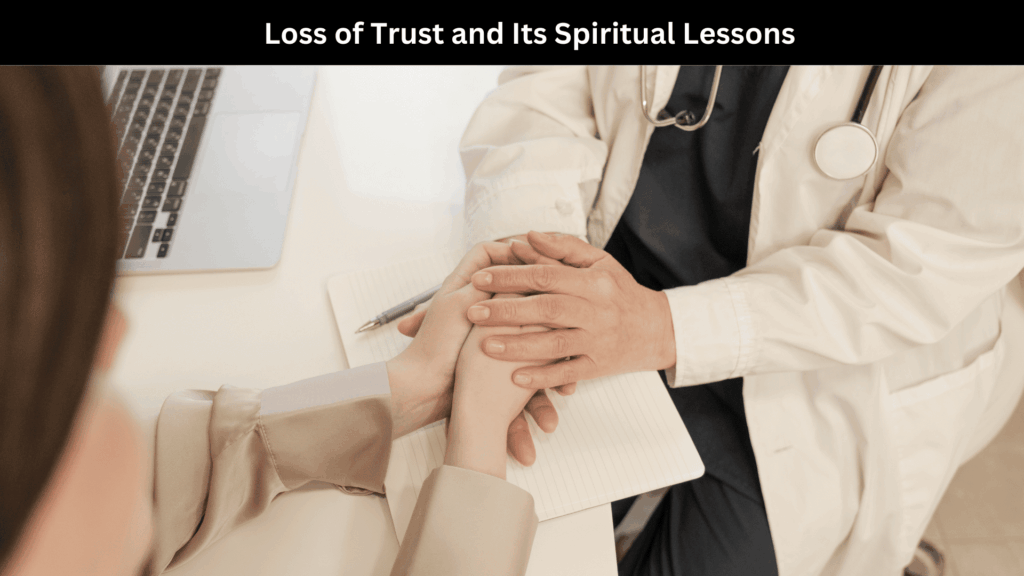
Betrayal as a Catalyst for Awakening
Spiritually, betrayal is not meaningless. It often exposes illusions and encourages deeper self-trust. While painful, these experiences can awaken discernment and emotional strength.
Rebuilding Trust on a Soul Level
Rebuilding trust starts inward. When you trust your intuition and values, external trust becomes healthier and more balanced.
FAQs
Is trust the same as faith spiritually?
Trust and faith are connected, but trust is experiential while faith is belief-based.
Can trust be learned spiritually?
Yes, trust grows through awareness, reflection, and conscious practice.
Why is trust hard after betrayal?
Betrayal creates fear, but spiritually it invites healing and wisdom.
How does trust affect spiritual energy?
Trust allows energy to flow freely, while mistrust creates emotional blocks.
What blocks spiritual trust?
Fear, control, past trauma, and lack of self-awareness.
How can I rebuild trust spiritually?
Through mindfulness, self-honesty, forgiveness, and patience.
Conclusion
The Spiritual Meaning of Trust reveals that trust is not about certainty—it is about courage. It is the quiet strength to move forward without guarantees, guided by inner wisdom and higher understanding.
When trust becomes a spiritual practice, life feels less like a battle and more like a journey. Peace replaces pressure. Faith replaces fear. And the soul learns that even uncertainty can be sacred.