Spiritual Meaning of Suffering: A Powerful Guide to Finding Light in Pain (7 Insights)
Spiritual Meaning of Suffering explained with clarity and hope—discover why pain exists, how it transforms the soul, and what it teaches about life, faith, and growth.
Introduction to the Spiritual Meaning of Suffering
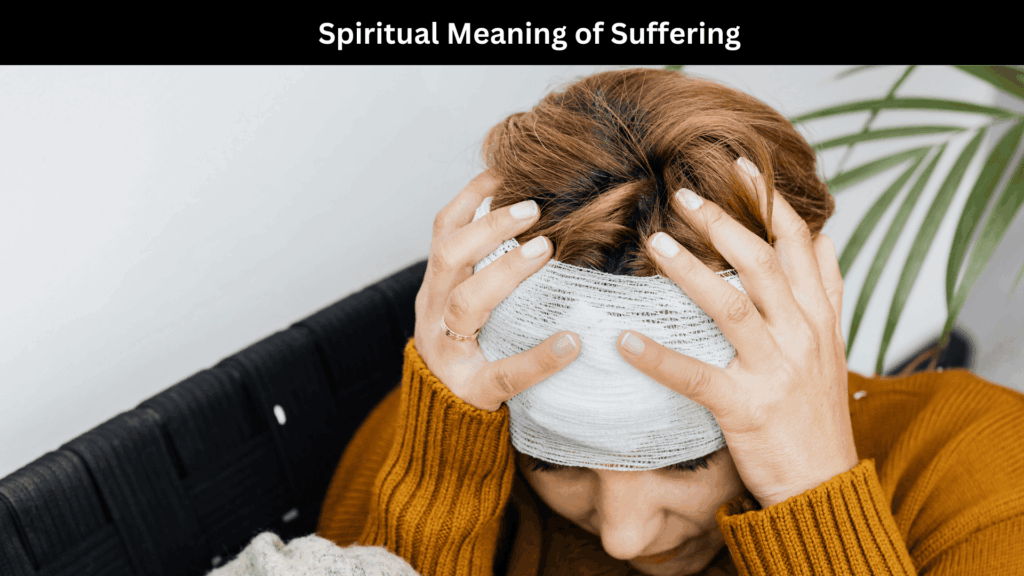
The Spiritual Meaning of Suffering has puzzled humanity since the beginning of time. Every culture, belief system, and spiritual path has tried to answer one timeless question: Why do we suffer? Pain shows up in many forms—emotional heartbreak, physical illness, financial stress, broken relationships, and deep inner struggles. At first glance, suffering feels cruel, pointless, and unfair. Yet, from a spiritual perspective, suffering often carries meaning far beyond what the surface reveals.
Spiritually speaking, suffering is not punishment. It is not a sign of failure or divine rejection. Instead, it is often viewed as a powerful teacher—one that pushes the soul to grow, awaken, and evolve. Just like fire refines gold, hardship can refine character, deepen awareness, and strengthen faith. While no one actively seeks pain, many people later discover that their greatest wisdom came from their hardest seasons.
Across spiritual traditions, suffering is described as a doorway rather than a dead end. It invites reflection, humility, compassion, and surrender. Pain slows us down when life moves too fast. It forces us to ask deeper questions about purpose, values, and truth. In moments of suffering, the ego softens, and the heart opens. Suddenly, what once mattered feels small, and what truly matters comes into sharp focus.
From a practical standpoint, suffering also connects people. Shared pain builds empathy. It reminds us that we are not alone and that every human walks a path marked by struggle. Spiritually mature individuals often emerge from suffering more patient, kind, and understanding—not because pain is good, but because growth was chosen in the middle of it.
Importantly, spiritual meaning does not deny the reality of pain. Suffering hurts. It can feel overwhelming, lonely, and exhausting. Spiritual understanding does not erase pain; it gives it context. It helps transform the question from “Why is this happening to me?” into “What is this teaching me?” That shift alone can change everything.
In the first stages of spiritual awakening, suffering often acts as the trigger. Many people only turn inward after life falls apart. Careers collapse, relationships end, health declines—and suddenly, the soul demands attention. In that sense, suffering becomes a messenger, pointing toward healing, alignment, and truth.
Understanding the Spiritual Meaning of Suffering allows individuals to move through pain with awareness instead of resistance. It encourages patience during storms and faith during uncertainty. While suffering may not disappear overnight, its grip loosens when its purpose becomes clear. What once felt like darkness slowly becomes a source of light, wisdom, and inner strength.
Why Suffering Exists in the Human Experience
Suffering exists because growth requires contrast. Without darkness, light has no meaning. Without pain, joy would be shallow. From a spiritual viewpoint, human life is designed as a learning experience. The soul enters the physical world not for comfort alone, but for expansion, understanding, and evolution.
One reason suffering exists is free will. Humans make choices—some aligned with wisdom, others driven by fear or ignorance. These choices create consequences, both individually and collectively. While not all suffering is self-created, much of it arises from imbalance, disconnection, or unconscious living. Spiritually, suffering highlights where healing is needed.
Another reason is attachment. Pain often grows from clinging—to people, outcomes, identities, or expectations. When life changes, as it always does, attachment turns change into suffering. Spiritual teachings across the world point to the same truth: resistance intensifies pain, while acceptance softens it.
Suffering also humbles the ego. When everything is going well, it is easy to feel in control. Hardship reminds humans of their limits and interdependence. This humility opens the door to spiritual growth, compassion, and surrender. In many traditions, surrender is not weakness—it is wisdom.
At a deeper level, suffering refines consciousness. It strips away illusions and exposes truth. When comfort disappears, authenticity emerges. People discover who they are without titles, possessions, or approval. This is where spiritual identity replaces social identity.
In this way, suffering is not an accident of life—it is part of the curriculum. It teaches patience, resilience, empathy, and faith. Though painful, it often prepares the soul for higher understanding and deeper connection.
How Pain Shapes Inner Awareness
Pain has a way of turning attention inward. When external pleasures fade, inner awareness grows. This inward turn is essential for spiritual development. Many people live on autopilot until pain interrupts the routine.
Inner awareness begins with questioning. Why does this hurt so deeply? What am I holding onto? What truly matters now? These questions lead to self-discovery. Pain reveals emotional wounds, unresolved trauma, and limiting beliefs that might otherwise remain hidden.
Spiritually, pain is an invitation to listen. The body, mind, and soul communicate through discomfort. Ignoring these signals often leads to deeper suffering. Listening, however, leads to healing and alignment.
As awareness grows, compassion follows. Those who have suffered tend to understand others better. Judgment softens. Kindness expands. This compassionate awareness is one of suffering’s greatest spiritual gifts.
Through pain, people often develop gratitude—not for the suffering itself, but for the clarity it brings. Life becomes more meaningful. Small moments feel precious. Awareness deepens, and with it, wisdom.
Historical and Cultural Views on Suffering
Throughout history, suffering has been viewed as sacred, meaningful, and transformative. Ancient civilizations believed hardship strengthened the soul and prepared individuals for higher responsibilities. Myths, scriptures, and teachings consistently portray suffering as a gateway to wisdom.
Ancient Wisdom and Sacred Teachings
In many spiritual traditions, suffering is not avoided—it is honored. Sacred texts describe trials as tests of faith, character, and devotion. Prophets, sages, and enlightened beings often endured immense suffering before reaching spiritual clarity.
Eastern Perspectives on Pain and Growth
Eastern philosophies teach that suffering arises from desire and attachment. Liberation comes through awareness, acceptance, and inner balance. Pain becomes a teacher guiding the soul toward enlightenment.
Western Spiritual Traditions and Trials
Western traditions often frame suffering as refinement. Trials strengthen faith and deepen trust in divine timing. Pain is seen as purposeful, even when its meaning is not immediately clear.
Emotional Suffering as a Spiritual Teacher

Emotional pain cuts deep because it touches identity, love, and belonging. Spiritually, emotional suffering is one of the most powerful tools for transformation.
Grief, Loss, and the Soul’s Expansion
Loss shatters expectations and forces acceptance of impermanence. Spiritually, grief opens the heart, deepens compassion, and reshapes priorities. Though painful, it expands the soul’s capacity to love.
Fear, Anxiety, and Inner Transformation
Fear exposes where trust is lacking. Anxiety highlights uncertainty and control issues. Spiritually, these emotions invite surrender, faith, and courage. Facing fear strengthens inner stability.
Physical Suffering and Its Deeper Meaning
Physical pain often carries symbolic messages. Spiritually, the body reflects inner states and emotional patterns.
Illness as a Call for Alignment
Illness may signal imbalance—emotional, mental, or spiritual. It invites rest, reflection, and realignment with healthier ways of living.
Listening to the Body’s Spiritual Signals
When the body speaks through pain, it asks for attention. Honoring these signals leads to holistic healing and spiritual awareness.
Spiritual Meaning of Suffering in Life Challenges

Every challenge carries a lesson. Financial stress teaches humility and trust. Relationship pain teaches boundaries and self-worth. Each struggle shapes spiritual maturity.
Suffering, Karma, and Life Purpose
Spiritually, actions create consequences. Awareness breaks negative cycles and aligns life with purpose.
The Role of Faith and Trust During Suffering
Faith anchors the soul during storms. Trust grows when control is released, allowing healing to unfold naturally.
Healing and Growth After Suffering
After pain comes wisdom. Compassion deepens. Strength emerges. Purpose becomes clear.
FAQs
Is suffering necessary for spiritual growth?
Often, yes. While growth can happen through joy, suffering accelerates awareness.
Does suffering mean spiritual failure?
No. It often means transformation is underway.
Can suffering have no meaning?
Meaning may not be immediate, but reflection often reveals purpose.
How long does spiritual suffering last?
It varies. Growth continues until lessons are integrated.
Can faith remove suffering?
Faith may not remove pain, but it reduces fear and resistance.
What helps most during suffering?
Awareness, acceptance, compassion, and trust.
Conclusion
The Spiritual Meaning of Suffering reveals pain as a powerful teacher rather than an enemy. While suffering challenges the heart, it also awakens the soul. Through awareness, faith, and compassion, pain transforms into wisdom, strength, and purpose. In the end, suffering does not break the spirit—it shapes it, guiding each soul toward deeper truth and lasting light.