Spiritual Meaning of Soul: A Powerful Guide to 7 Timeless Truths
Spiritual Meaning of Soul explained with clarity, wisdom, and depth—discover timeless truths, purpose, and inner awareness in this authoritative guide.
Understanding the Concept of the Soul
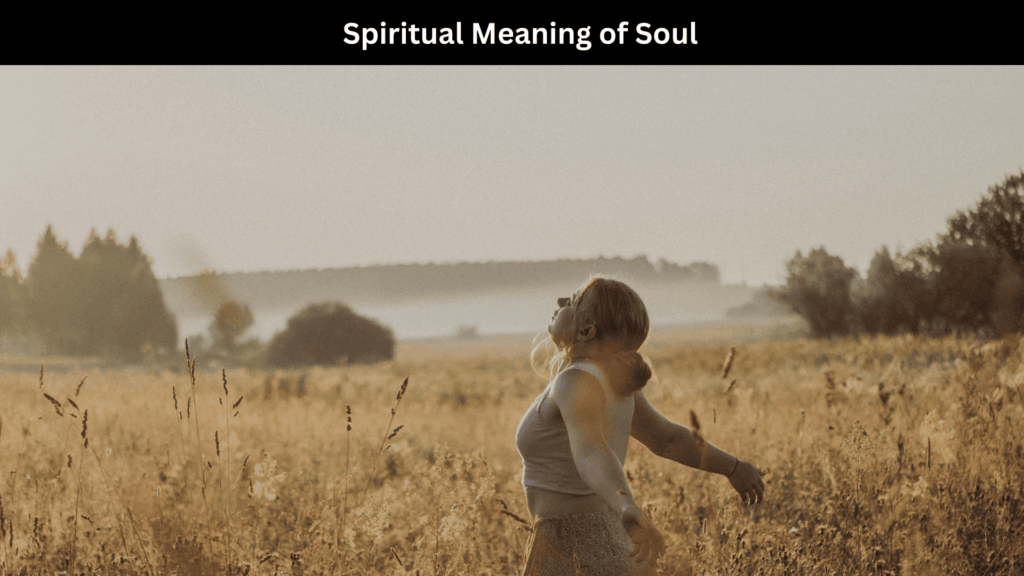
The idea of the soul has fascinated humanity for thousands of years. From ancient storytellers to modern thinkers, people have tried to understand what lies beyond the physical body. At its core, the soul is often described as the invisible essence that gives life meaning, awareness, and direction. It is not something you can touch or measure, yet it deeply influences how you think, feel, and act.
Many spiritual traditions describe the soul as eternal. While the body changes with time, the soul is believed to remain constant, carrying wisdom, memories, and purpose across life experiences. This belief helps explain why people often feel a deep sense of identity that goes beyond their physical appearance or social roles. In simple terms, the soul is who you truly are beneath labels and expectations.
Understanding the soul also means understanding inner awareness. When you pause, reflect, or feel a quiet sense of knowing, many believe you are connecting with your soul. This inner voice often guides moral choices, creativity, and compassion. It is that gentle nudge that tells you when something feels right or wrong, even if logic says otherwise.
In everyday life, the soul is often felt during moments of deep emotion—love, loss, gratitude, or awe. These experiences remind us that life is more than routines and responsibilities. They point toward a deeper layer of existence that seeks meaning, growth, and connection. That is why discussions about the soul are not limited to religion or philosophy; they touch personal experience as well.
Historical Views of the Soul Across Civilizations
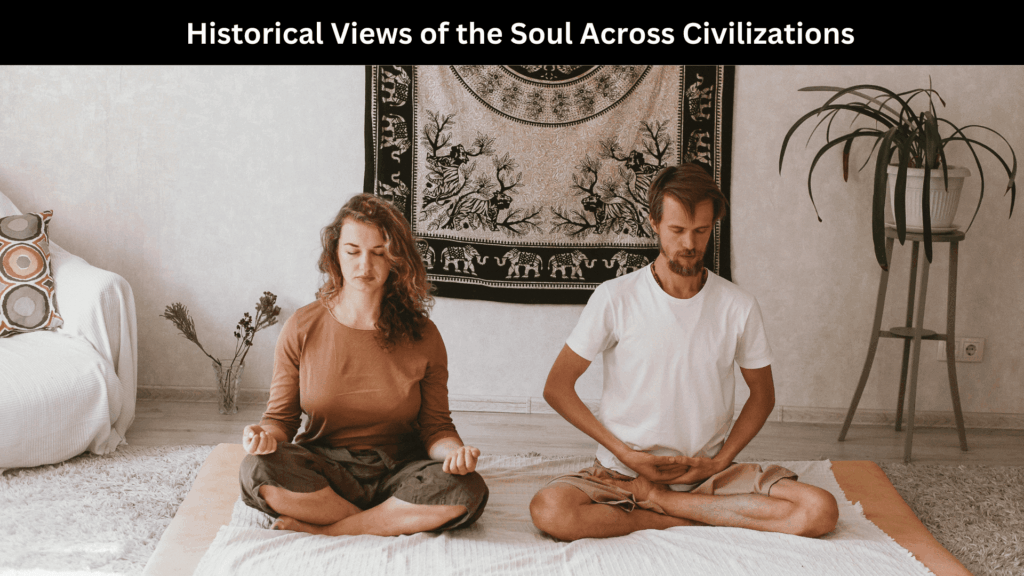
Ancient Eastern Philosophies and the Inner Self
Eastern traditions such as Hinduism and Buddhism have long emphasized the soul as the true self. In Hindu philosophy, the soul is known as Atman, a divine spark that connects every individual to universal consciousness. The goal of life, according to this view, is to realize this inner truth and live in harmony with it.
Buddhism approaches the idea differently. Instead of focusing on a permanent soul, it highlights consciousness and awareness as flowing experiences. Even so, the emphasis remains on inner understanding, compassion, and liberation from suffering. Both views encourage mindfulness and ethical living as paths to inner peace.
Western Philosophical Interpretations
Western thinkers like Plato believed the soul was the seat of reason and virtue. He taught that the soul existed before birth and carried knowledge that could be rediscovered through learning and reflection. Aristotle, on the other hand, viewed the soul as the life force that animates the body, shaping personality and behavior.
Later philosophers connected the soul with individuality and moral responsibility. These ideas shaped modern views about personal identity, free will, and ethics. Even today, many psychological and philosophical discussions echo these early insights.
Religious Perspectives on the Soul
Most religions agree that the soul is sacred. In Christianity, it is seen as God‑given and eternal. Islam teaches that the soul is entrusted to humans and accountable for actions. These beliefs encourage moral living, kindness, and spiritual awareness.
The Spiritual Meaning of Soul in Human Life

The Spiritual Meaning of Soul goes beyond abstract ideas. It plays a practical role in daily life by shaping values, choices, and purpose. Many believe the soul is the inner compass that guides a person toward growth and fulfillment. When actions align with inner values, life feels meaningful and balanced.
Soul as the Essence of Consciousness
Consciousness is often linked to the soul because it allows self‑reflection. You are not just reacting to the world; you are aware of your thoughts and emotions. This awareness helps people learn from experiences and evolve over time.
Connection Between Soul and Purpose
Purpose is closely tied to the soul. When people feel disconnected or lost, they often describe it as a “soul emptiness.” On the other hand, when they pursue meaningful goals, they feel energized and fulfilled. This suggests that purpose is not only mental but deeply spiritual.
Soul, Mind, and Body: A Sacred Relationship
The soul does not exist in isolation. It works through the mind and body, creating a complete human experience. When these three are in balance, people often feel calm, focused, and healthy.
Energetic Balance and Inner Harmony
Many spiritual practices such as meditation, prayer, and mindful breathing aim to align mind and body with the soul. These practices reduce stress and increase clarity, showing how inner harmony affects overall wellbeing.
Emotional Wellbeing and Spiritual Alignment
Emotions can be seen as signals from the soul. Joy, peace, or discomfort often point toward alignment or misalignment with inner values. Listening to these signals encourages healthier decisions and stronger relationships.
Signs of a Soul‑Centered Life
People who live in tune with their soul often show certain qualities. They display compassion, patience, and authenticity. They trust intuition and feel connected to others and nature.
Intuition, Compassion, and Inner Peace
Inner peace is one of the clearest signs of soul alignment. It does not mean life is perfect, but challenges are faced with calm understanding. Compassion grows naturally when one recognizes the shared human experience.
Soul Growth, Healing, and Transformation
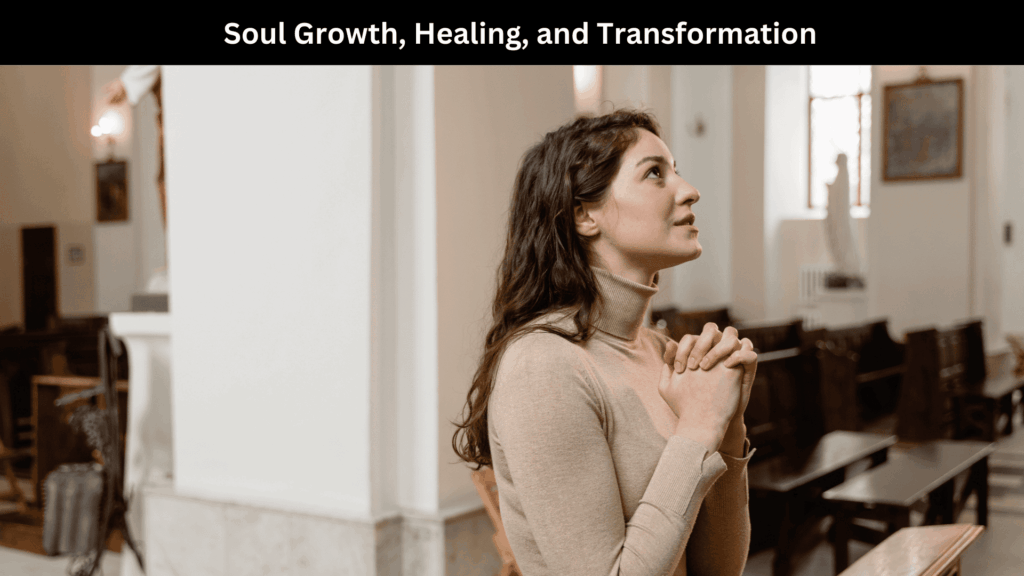
Growth is a lifelong journey of the soul. Challenges, mistakes, and hardships are often viewed as lessons that help the soul mature. Healing happens when experiences are understood rather than resisted.
Life Lessons, Karma, and Inner Evolution
Many traditions believe actions create consequences that shape growth. Learning from these experiences leads to wisdom and transformation. Over time, the soul becomes more aware, loving, and free.
FAQs
What is the soul in simple terms?
The soul is the inner essence that represents who you truly are beyond the body and mind.
Is the soul the same as the mind?
No. The mind thinks and analyzes, while the soul provides awareness and purpose.
Can the soul grow or change?
Many believe the soul grows through experiences, learning, and self‑reflection.
How can I connect with my soul?
Practices like meditation, journaling, and quiet reflection help strengthen this connection.
Does everyone have a soul?
Most spiritual and religious traditions say yes, viewing the soul as universal.
Is the soul linked to life after death?
Many belief systems teach that the soul continues beyond physical life.
Conclusion
Understanding the Spiritual Meaning of Soul encourages a deeper, more thoughtful approach to life. It reminds us that beyond daily tasks and challenges lies an inner guide seeking growth, connection, and peace. By listening to this inner voice, people often discover purpose, resilience, and compassion.
Living in alignment with the soul does not require perfection. It simply asks for awareness, honesty, and kindness—toward oneself and others. Over time, this alignment creates a life that feels meaningful, balanced, and truly human.