Spiritual Meaning of Solitude: 9 Transformative Blessings for Inner Power
Spiritual Meaning of Solitude: Discover 9 transformative blessings that reveal inner peace, divine connection, emotional healing, and powerful personal growth.
The Spiritual Meaning of Solitude goes far beyond simply being alone. It speaks of sacred silence, inner awakening, and powerful self-discovery. In today’s noisy world, solitude often feels uncomfortable. Yet spiritually speaking, it’s one of the greatest gifts we can experience. When chosen intentionally, solitude becomes a doorway to clarity, healing, and divine connection.
Many spiritual teachers, psychologists, and wise elders agree on one thing: growth often happens in quiet spaces. When distractions fade, we finally hear the whispers of our own soul.
Let’s explore how solitude transforms us from the inside out.
Introduction to the Spiritual Meaning of Solitude
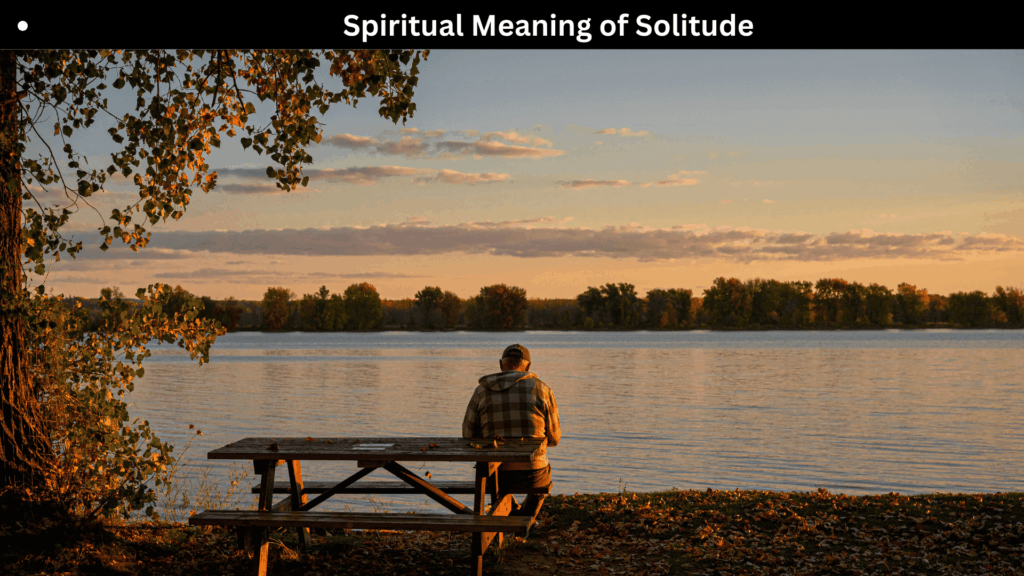
Solitude is not loneliness. Loneliness is painful isolation. Solitude, however, is chosen aloneness filled with purpose and awareness.
Throughout history, spiritual seekers stepped away from crowds to gain wisdom. From desert monks to meditation masters, time alone has always been seen as sacred.
In modern psychology, solitude is linked to emotional regulation and self-awareness. According to research shared by the American Psychological Association, intentional solitude improves mental clarity and reduces stress. You can explore related psychological findings at the American Psychological Association.
Spiritually, solitude creates space:
- Space to reflect
- Space to heal
- Space to listen
- Space to grow
Without silence, the soul struggles to speak.Solitude vs Loneliness: Understanding the Sacred Difference
Solitude vs Loneliness: Understanding the Sacred Difference
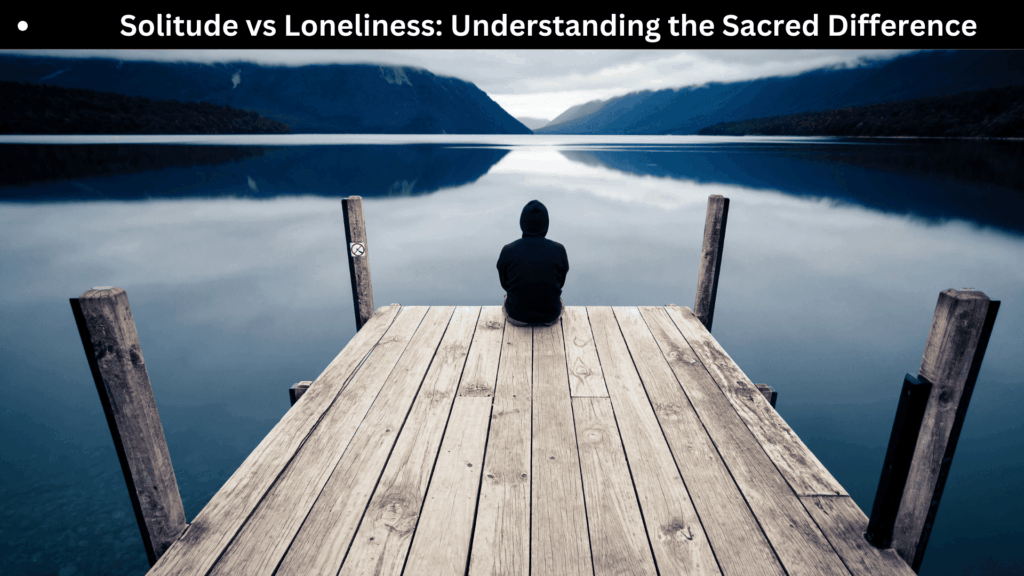
Many people fear solitude because they confuse it with loneliness.
Here’s a simple comparison:
| Solitude | Loneliness |
|---|---|
| Chosen | Feels forced |
| Peaceful | Painful |
| Restorative | Draining |
| Self-aware | Disconnected |
Healthy solitude feels calm. Harmful isolation feels heavy.
Signs of Healthy Solitude
- Feeling refreshed after time alone
- Clear thinking
- Emotional balance
- Greater self-understanding
Signs of Harmful Isolation
- Persistent sadness
- Social anxiety
- Avoidance of connection
- Hopelessness
The key difference? Intention. Solitude strengthens you. Isolation weakens you.
The Role of Silence in Inner Awakening
Silence is not empty. It’s full of answers.
When we sit quietly, the mind first becomes noisy. Thoughts rush in like traffic. But with patience, the noise settles. Beneath it lies deep awareness.
Meditation, contemplative prayer, and breath awareness practices train us to remain still. In stillness, spiritual insight blooms.
Even five minutes of silence daily can:
- Reduce stress hormones
- Improve emotional control
- Increase intuition
- Strengthen spiritual awareness
Stillness sharpens the soul.
9 Transformative Blessings of Solitude
Now let’s explore the heart of the Spiritual Meaning of Solitude — its blessings.
Emotional Healing Through Self-Reflection
Solitude allows us to process pain without distraction. Journaling, quiet walks, and mindful breathing help uncover buried emotions.
Clarity of Purpose
When the world grows quiet, your true desires surface. Solitude reveals direction.
Spiritual Renewal
Time alone reconnects you with faith and divine presence.
Creative Awakening
Writers, artists, and thinkers often produce their best work alone. Creativity needs quiet soil to grow.
Inner Strength
Solitude teaches independence. You learn that you are enough.
Resilience
Facing yourself builds courage.
Gratitude
Quiet reflection makes small blessings visible.
Authenticity
Without social pressure, you discover who you truly are.
Divine Connection
Many spiritual traditions teach that God speaks softly. Solitude makes listening possible.
Spiritual Meaning of Solitude in Nature

Nature amplifies solitude’s power.
A walk through forests, mountains, or near oceans teaches patience and humility. Nature doesn’t rush. It simply exists.
Lessons from nature:
- Mountains teach endurance
- Forests teach growth in silence
- Oceans teach emotional depth
When alone in nature, many people report profound spiritual experiences. The absence of artificial noise allows natural rhythms to guide the heart.
Solitude and Personal Growth
Growth rarely happens in chaos. It grows in quiet effort.
Solitude builds:
- Discipline
- Confidence
- Emotional maturity
- Self-trust
When you sit alone with your thoughts, you face truths. That honesty strengthens character.
It’s like sharpening a blade — friction refines it.
The Divine Connection: Meeting God in Solitude

Throughout scripture and spiritual history, divine encounters often occurred in solitude.
Prophets retreated to mountains. Sages meditated in forests. Even spiritual leaders stepped away from crowds to pray.
Solitude removes distractions between you and the divine.
Prayer deepens.
Faith strengthens.
Peace multiplies.
When alone, many people sense guidance more clearly.
Creative Awakening in Sacred Isolation
Creative genius thrives in silence.
Solitude:
- Reduces interruptions
- Encourages imagination
- Strengthens focus
Writers often retreat to cabins. Artists isolate to paint. Musicians compose in quiet rooms.
Isolation for creativity isn’t antisocial — it’s intentional cultivation.
How to Practice Healthy Solitude Daily

You don’t need a mountain retreat. Start small.
Daily Practices
- 10 minutes of silent breathing
- Journaling before bed
- A weekly digital detox
- Morning reflection without your phone
Create a Personal Retreat Space
- A quiet corner
- Soft lighting
- Comfortable seating
- A journal or spiritual text
Consistency matters more than duration.
Common Myths About Solitude
Myth 1: Solitude means you’re antisocial.
Truth: It strengthens relationships by improving self-awareness.
Myth 2: Only introverts enjoy solitude.
Truth: Everyone benefits from quiet time.
Myth 3: Solitude is selfish.
Truth: Self-care fuels service.
FAQs
Is solitude necessary for spiritual growth?
Yes. While community is important, solitude deepens personal awareness and divine connection.
How long should I spend in solitude daily?
Start with 5–15 minutes and increase gradually.
Can solitude improve mental health?
Intentional solitude reduces stress and improves clarity.
What is the difference between solitude and isolation?
Solitude is chosen and peaceful. Isolation feels forced and painful.
Is nature important for spiritual solitude?
Nature enhances awareness but is not required.
Can too much solitude be harmful?
Yes. Balance solitude with healthy relationships.
Conclusion
The Spiritual Meaning of Solitude teaches us that being alone is not emptiness — it is fullness. In quiet spaces, we rediscover strength, clarity, and divine presence.
Solitude heals emotional wounds.
It sharpens purpose.
It awakens creativity.
It deepens faith.
In a noisy world, silence is sacred.