The Profound and Life-Changing 12 Insights into the Spiritual Meaning of Ritual
The Spiritual Meaning of Ritual reveals powerful insights into sacred practices, personal growth, emotional healing, and transformative spiritual connection.
Introduction to the Spiritual Meaning of Ritual
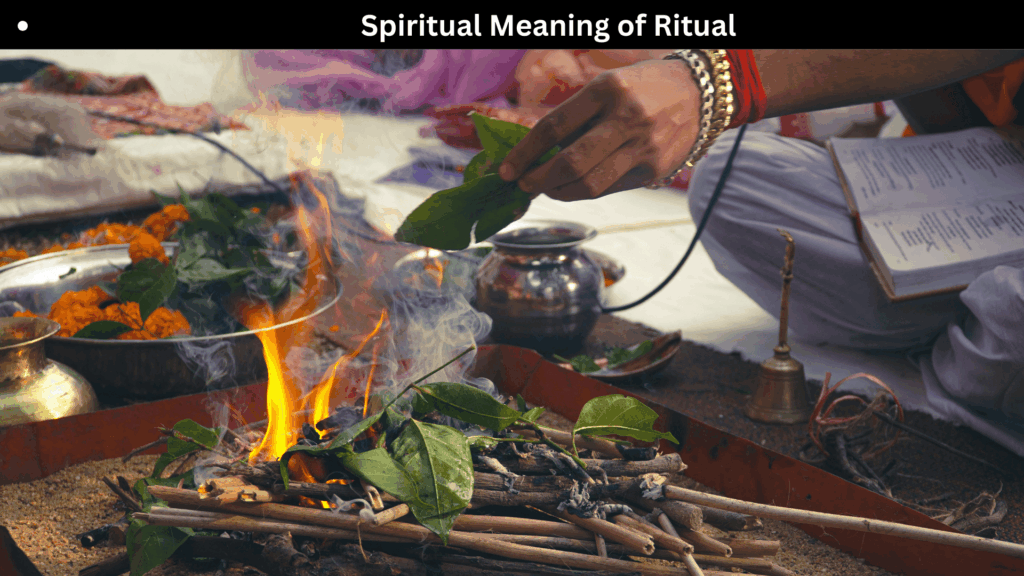
The Spiritual Meaning of Ritual is deeper than many people think. At first glance, a ritual may look like a simple repeated action—lighting a candle, saying a prayer, or bowing in silence. But beneath the surface, something powerful is happening. Rituals shape how we see the world. They give meaning to ordinary moments. They connect us to something greater than ourselves.
So, what exactly is a ritual?
What Is a Ritual?
A ritual is a structured action performed with intention and symbolic meaning. Unlike a habit, which is often automatic, a ritual carries awareness. When you brush your teeth, that’s a habit. When you light a candle to honor a loved one, that’s a ritual.
Rituals include:
- Clear intention
- Symbolic actions
- Repetition
- Emotional or spiritual focus
They can be religious, cultural, or personal. Some rituals are centuries old. Others are created by individuals seeking comfort, clarity, or healing.
Why Rituals Matter in Human Life
Human beings are meaning-seeking creatures. We crave structure. We long for connection. Rituals provide both. They ground us in times of chaos and celebrate us in times of joy.
Research from institutions like Harvard University shows that rituals can reduce anxiety and increase feelings of control. Even simple personal rituals can calm the mind.
In short, rituals aren’t empty actions. They are bridges—connecting the physical and the spiritual, the ordinary and the sacred.
Historical Origins of Sacred Ritual Practices
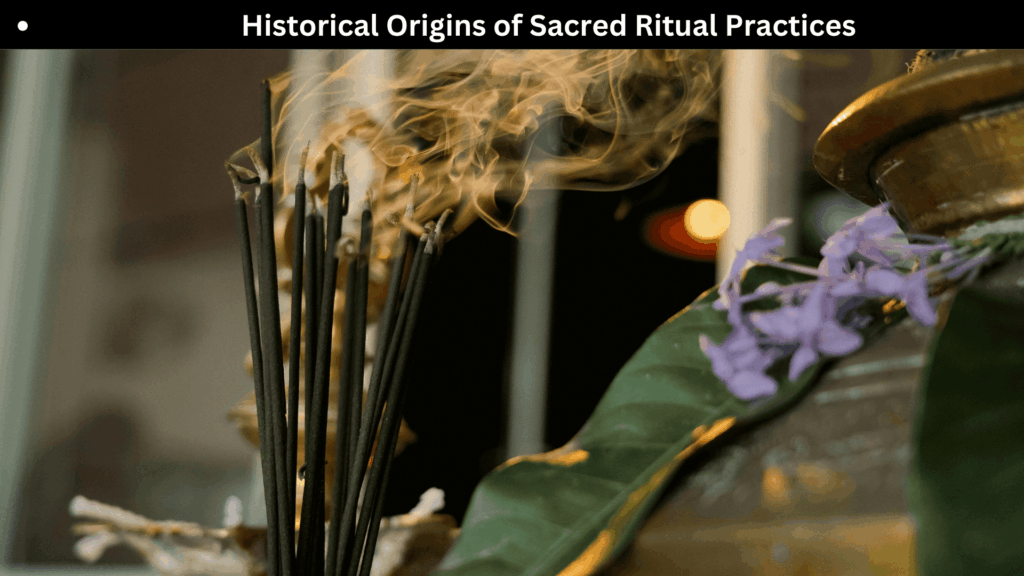
Rituals are as old as humanity itself. Ancient civilizations built entire societies around sacred ceremonies.
Rituals in Ancient Civilizations
In ancient Egypt, priests performed daily temple rituals to honor the gods. In Mesopotamia, offerings were made to ensure fertile harvests. The Indus Valley civilization practiced purification rites near rivers.
These early rituals served practical and spiritual purposes. They were believed to:
- Protect communities
- Invite divine blessings
- Explain natural events
Over time, rituals evolved from survival-based practices into deeply symbolic spiritual traditions.
Evolution of Ritual Across Time
As societies grew, rituals became more structured. Organized religions formed sacred calendars, holy days, and ceremonial laws. Yet even as technology advanced, ritual never disappeared. It simply adapted.
Today, we see ritual in graduations, weddings, and national holidays. Though modern, they still carry ancient roots.
Core Elements That Give Ritual Spiritual Power
Not every repeated action is spiritually powerful. Certain elements give ritual its depth.
The Role of Intention and Awareness
Intention is the heart of ritual. Without it, actions become empty routines. When you act with purpose—whether in prayer, meditation, or gratitude—the mind and spirit align.
Mindfulness strengthens ritual. Being fully present transforms simple gestures into sacred moments.
Sacred Symbols and Archetypes
Symbols speak to the subconscious mind. Fire represents transformation. Water symbolizes cleansing. Circles suggest unity and eternity.
These symbols appear across cultures because they tap into universal human understanding.
Psychological and Emotional Dimensions of Ritual
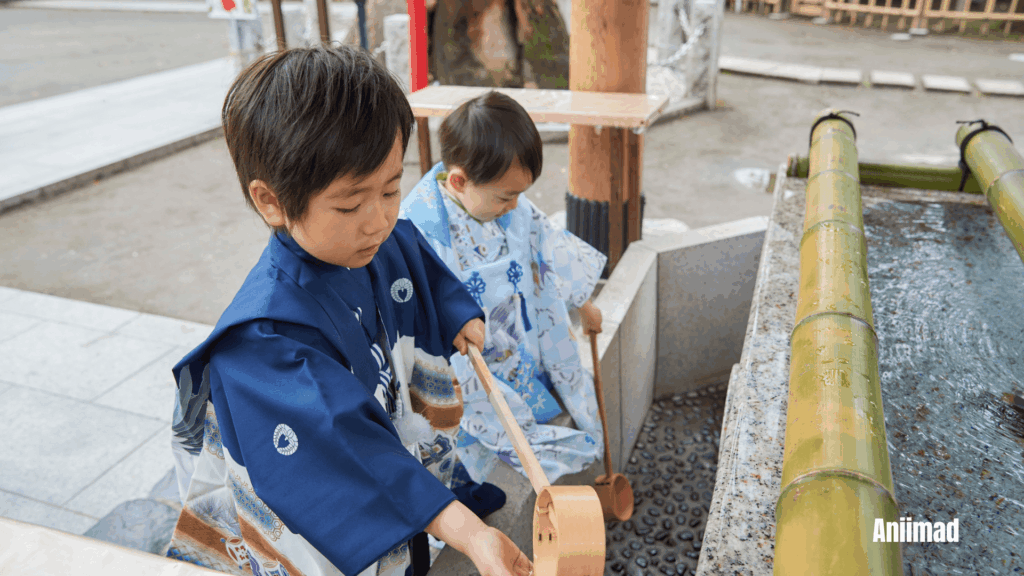
Ritual isn’t just spiritual—it’s psychological.
Ritual and Emotional Healing
Grief rituals help people process loss. Forgiveness ceremonies release resentment. Birthday celebrations affirm identity.
When emotions feel overwhelming, ritual provides structure. It says, “You’re not alone. There’s a path through this.”
Neuroscience Behind Repetition and Meaning
Studies show repetition creates neural pathways. When paired with meaning, these pathways strengthen emotional resilience. Ritual calms the nervous system. It lowers stress hormones and creates predictability.
Rituals Across Major World Religions
Nearly every religion centers around ritual.
In Hinduism and Buddhism, meditation and chanting create spiritual discipline. In Christianity, sacraments mark sacred milestones. In Islam, daily prayers structure time.
Indigenous communities perform seasonal ceremonies to honor nature and ancestors.
Though forms differ, the purpose remains similar: connection with the divine.
Personal Rituals and Daily Sacred Habits
You don’t need a temple to practice ritual. Personal rituals can be simple:
- Morning gratitude journaling
- Evening reflection
- Lighting incense before meditation
Creating a Personal Spiritual Practice
To create a meaningful ritual:
- Choose a clear intention.
- Select a symbolic action.
- Set a consistent time.
- Reflect afterward.
Avoid mechanical repetition. Keep your heart engaged.
Ritual as a Tool for Transformation and Growth
Life transitions often involve ritual—birth, marriage, graduation, death.
Rites of Passage and Milestones
These ceremonies mark change. They help individuals shift identity and embrace new roles.
Modern Adaptations of Ancient Rituals
Today, people design digital memorials or online meditation gatherings. Though the format changes, the essence remains sacred.
The Spiritual Meaning of Ritual in Modern Society
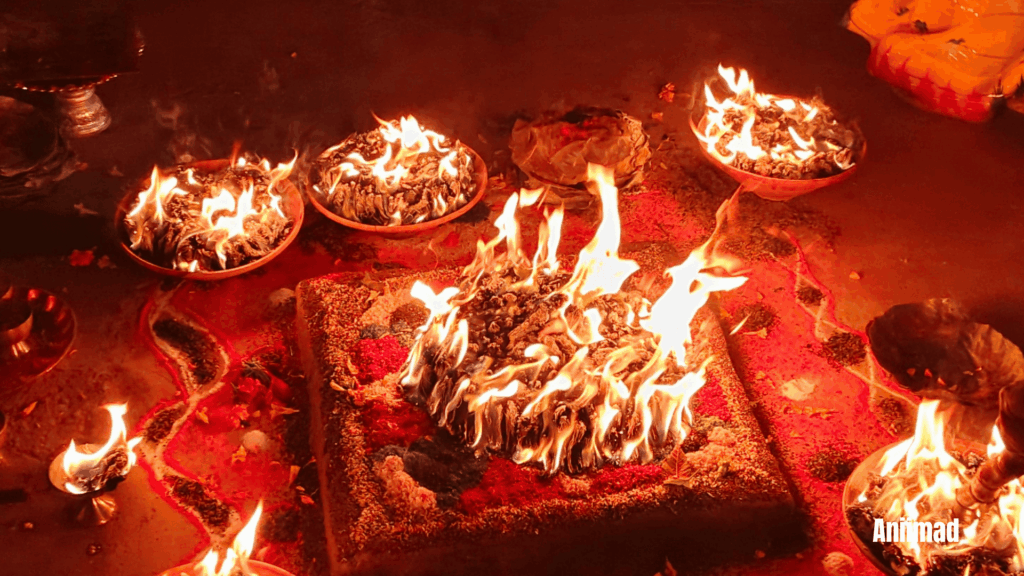
In modern life, many people feel disconnected. The Spiritual Meaning of Ritual offers grounding.
Workplace traditions build unity. Community festivals strengthen identity. Even national holidays act as shared rituals.
Ritual reminds us that we belong.
Scientific Perspectives on Ritual and Well-being
Behavioral science confirms ritual’s benefits:
- Reduced stress
- Increased focus
- Improved emotional regulation
Ritual helps the brain shift from chaos to calm.
Common Misconceptions About Rituals
Some think rituals are superstition. Others believe they require strict religious rules.
In truth, ritual is about intention, not blind faith. It’s about meaning, not magic tricks.
How to Deepen the Spiritual Experience of Ritual
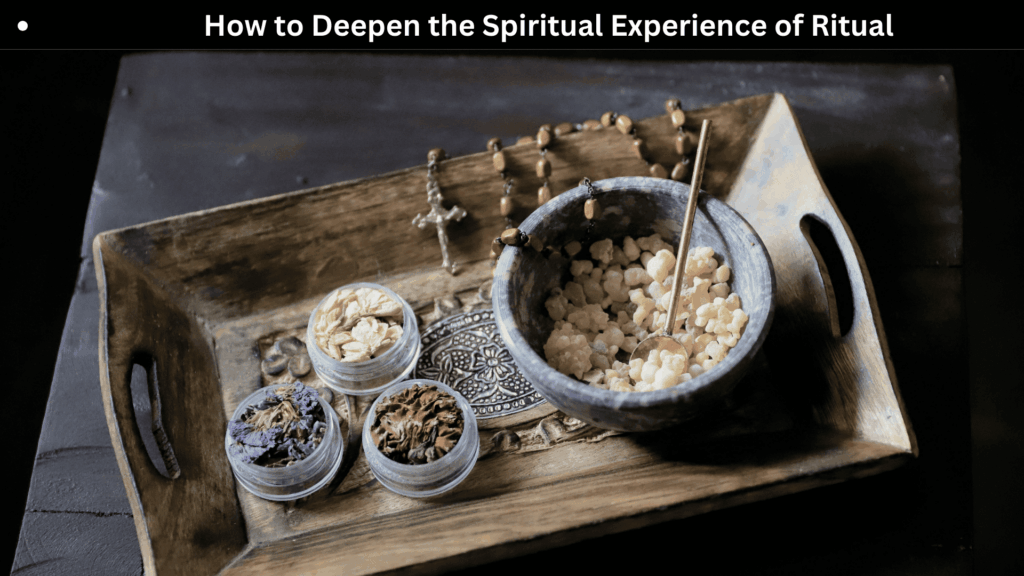
To deepen your practice:
- Slow down.
- Focus on breath.
- Reflect afterward.
- Express gratitude.
Consistency builds depth. Over time, small rituals create profound inner change.
FAQs
Is ritual the same as religion?
No. Religion includes ritual, but rituals can exist outside organized religion.
Can personal rituals be effective?
Yes. Intention matters more than scale.
Do rituals reduce anxiety?
Research suggests structured actions provide emotional comfort.
How often should I practice a ritual?
Consistency is helpful, but quality matters more than quantity.
Are rituals cultural?
Yes, but they also carry universal themes.
Can rituals transform personality?
Over time, consistent reflective practice can shape character and habits.
Conclusion
The Spiritual Meaning of Ritual lies in connection, intention, and transformation. Rituals remind us who we are. They steady us in storms and celebrate us in sunshine.