The Transformative and Profound Spiritual Meaning of Prayer: 7 Life-Changing Truths
Discover the transformative and profound Spiritual Meaning of Prayer and explore 7 life-changing truths that reveal its power to bring peace, healing, and spiritual growth.
Prayer has always been more than just spoken words. The Spiritual Meaning of Prayer goes far beyond rituals or religious obligation. It represents connection, hope, surrender, and transformation. Across centuries and cultures, people have turned to prayer during joy, sorrow, confusion, and gratitude. But what does it truly mean on a spiritual level?
Let’s explore this deeply meaningful practice and uncover how prayer shapes the soul, strengthens the heart, and guides the human spirit toward peace and purpose.
Introduction to the Spiritual Meaning of Prayer
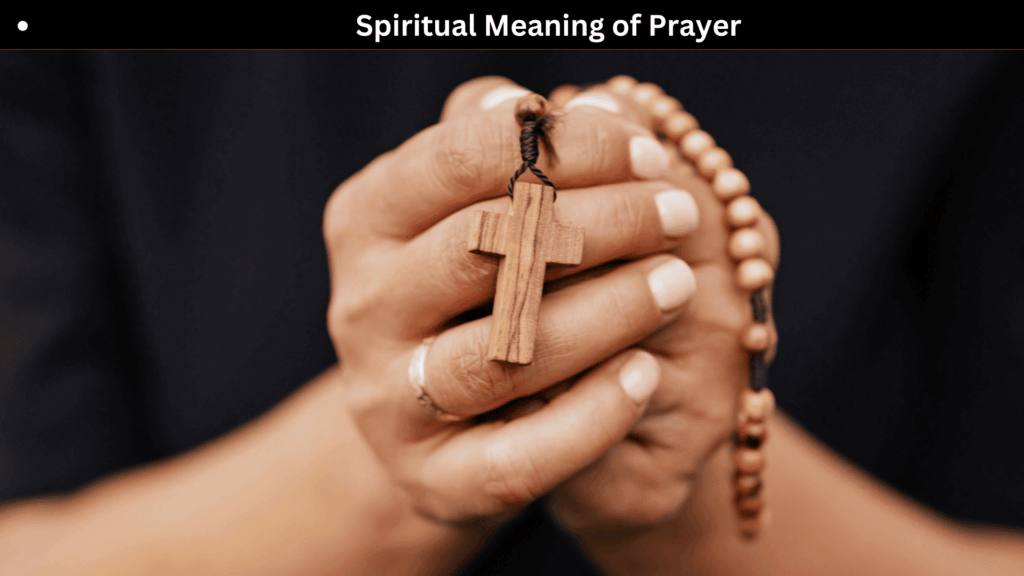
Prayer is often seen as communication with a higher power. Yet spiritually, it is also a conversation with the deepest part of ourselves. It bridges the visible and invisible worlds.
At its core, prayer is about connection — connection to God, the universe, divine energy, or one’s higher self. It reflects humility and hope. When someone prays, they acknowledge that life is bigger than personal control.
Interestingly, almost every culture has developed some form of prayer. From the chants of monks to whispered bedside prayers, this universal practice shows humanity’s shared longing for guidance and comfort.
Historical and Cultural Perspectives on Prayer

Prayer has existed since ancient civilizations. In ancient Egypt and Mesopotamia, people prayed to deities for protection and harvest. Indigenous communities used prayer songs and rituals to honor nature and ancestors.
In Christianity, prayer is central to spiritual life. Jesus taught the Lord’s Prayer as a model of humility and trust. In Islam, Muslims perform five daily prayers known as Salah, showing discipline and devotion.
In Hinduism, prayer includes mantras and offerings that focus the mind and heart. Meanwhile, Buddhism emphasizes meditation and chanting as forms of spiritual communication.
Though practices differ, the intention remains similar: seeking alignment with divine truth.
Core Elements of the Spiritual Meaning of Prayer
Faith and Devotion
Prayer begins with faith — not blind belief, but trust. Faith allows individuals to release fear and step into hope. Devotion keeps the heart steady even when answers seem delayed.
Intention and Mindfulness
Prayer is not about empty repetition. Intention gives it power. When spoken with awareness and sincerity, prayer becomes a mindful act that centers attention on gratitude, healing, or guidance.
Gratitude and Surrender
Gratitude shifts focus from lack to abundance. Surrender, on the other hand, is letting go of control. Together, they form the heart of prayer’s spiritual depth.
Types of Prayer and Their Spiritual Significance
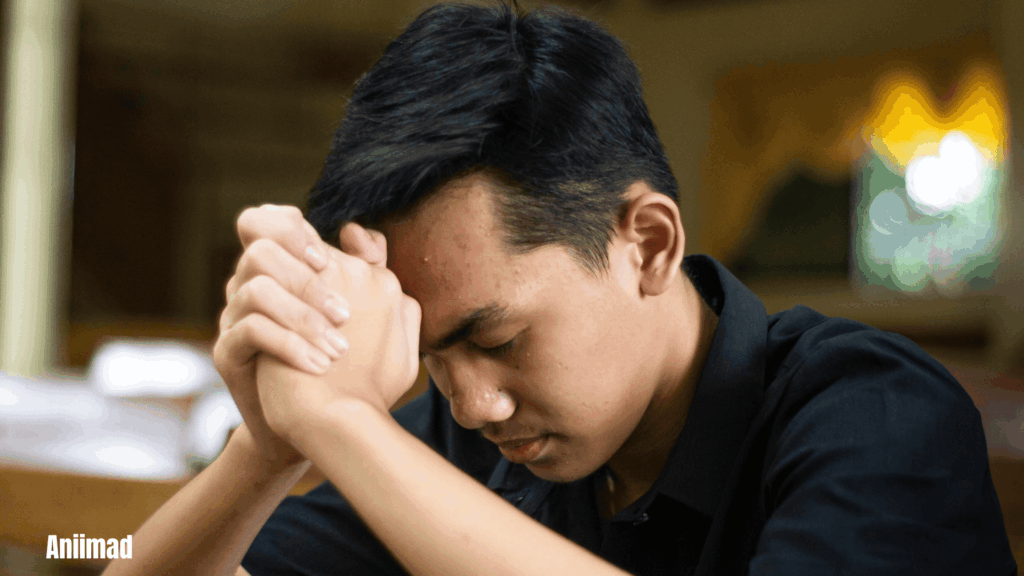
Prayer takes many forms.
- Petitionary Prayer – Asking for help or guidance.
- Intercessory Prayer – Praying on behalf of others.
- Thanksgiving Prayer – Expressing gratitude.
- Contemplative Prayer – Sitting in silent awareness.
Each type nurtures different spiritual qualities, from compassion to patience.
Psychological and Emotional Benefits of Prayer
Modern research supports what spiritual teachers have long known. Prayer reduces stress and improves emotional health. According to studies referenced by institutions like Harvard University, meditation and prayer can positively affect brain function.
Prayer lowers anxiety by shifting focus from problems to possibilities. It strengthens resilience by reinforcing hope. When people pray regularly, they often report increased inner peace.
The Role of Prayer in Personal Transformation
Prayer transforms from the inside out. It helps individuals reflect on actions, forgive mistakes, and grow spiritually.
Through prayer, people discover patience. They learn humility. They develop empathy.
Over time, prayer shapes character. It reminds individuals to act with integrity and compassion. In moments of struggle, prayer becomes an anchor — steady and reassuring.
Scientific Research on Prayer and Spirituality

Studies show prayer activates areas of the brain associated with empathy and emotional regulation. Neuroimaging research indicates increased activity in the prefrontal cortex during prayerful states.
While science cannot measure divine presence, it can observe measurable benefits such as reduced blood pressure and improved mood.
For further reading, explore reputable research at institutions like Harvard Medical School: https://www.health.harvard.edu
Common Misconceptions About Prayer
Many believe prayer is only religious. In reality, it can be spiritual without belonging to any specific faith.
Another myth is that prayer guarantees instant results. Spiritually, prayer is more about inner transformation than external change.
How to Deepen Your Prayer Practice
- Create a quiet, sacred space.
- Develop consistency by setting a daily time.
- Combine prayer with meditation for deeper awareness.
- Keep a gratitude journal.
Small steps lead to meaningful growth.
Spiritual Meaning of Prayer in Daily Life
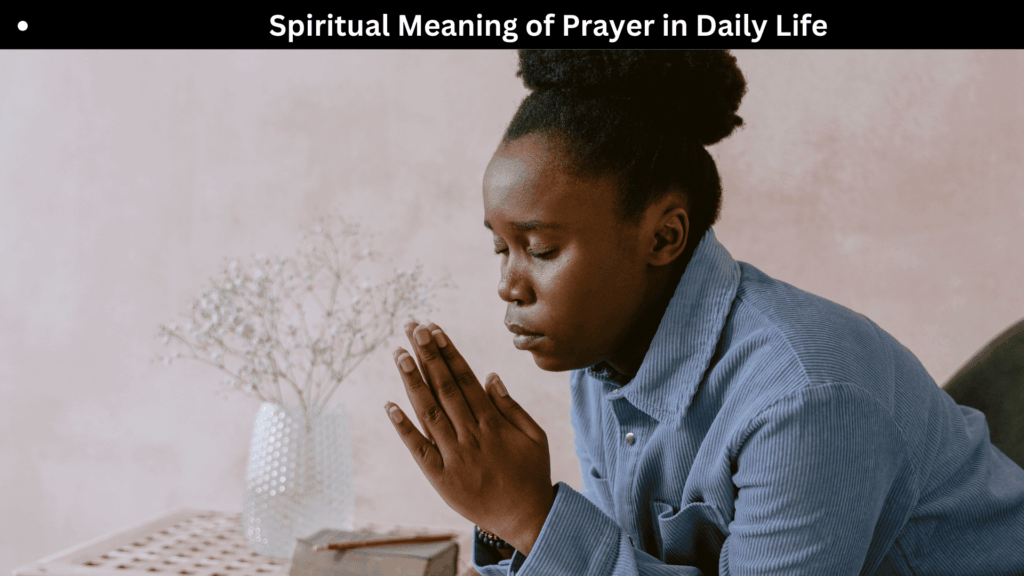
Prayer is not limited to temples or churches. It can happen while walking, working, or resting.
In times of crisis, prayer offers strength. In daily life, it provides guidance. Living prayerfully means acting with awareness, kindness, and faith.
FAQs
What is the true spiritual meaning of prayer?
It is a heartfelt connection with the divine, rooted in faith, gratitude, and surrender.
Can prayer change destiny?
Prayer may not alter fate instantly, but it can change perspective and inner strength.
How often should one pray?
There is no strict rule. Consistency matters more than frequency.
Is silent prayer effective?
Yes. Silent prayer can be deeply powerful and focused.
Can prayer improve mental health?
Research suggests prayer reduces anxiety and increases emotional resilience.
What if my prayers seem unanswered?
Sometimes answers come in unexpected ways. Patience and trust are part of the journey.
Conclusion
The Spiritual Meaning of Prayer is not limited to words spoken aloud. It is a sacred bridge between human vulnerability and divine strength. It nurtures hope, cultivates gratitude, and builds resilience.
When practiced sincerely, prayer transforms not only circumstances but the heart itself. It reminds us that even in uncertainty, we are never alone.