The Transformative and Timeless Spiritual Meaning of Pilgrimage: 12 Powerful Insights for the Soul
Discover the profound Spiritual Meaning of Pilgrimage and explore 12 powerful insights that reveal how sacred journeys transform faith, identity, and inner peace.
The Spiritual Meaning of Pilgrimage has inspired people for thousands of years. From ancient deserts to sacred rivers, from holy mountains to quiet chapels, human beings have always felt called to step away from daily life and walk toward something sacred. But here’s the thing—pilgrimage is not just about reaching a holy place. It’s about becoming a new person along the way.
A pilgrimage is a journey made for spiritual reasons. People travel to sacred places seeking forgiveness, healing, wisdom, gratitude, or renewal. Yet the true transformation often happens in the heart. The blisters, the long walks, the prayers whispered at dawn—these experiences shape the soul.
Introduction to the Spiritual Meaning of Pilgrimage
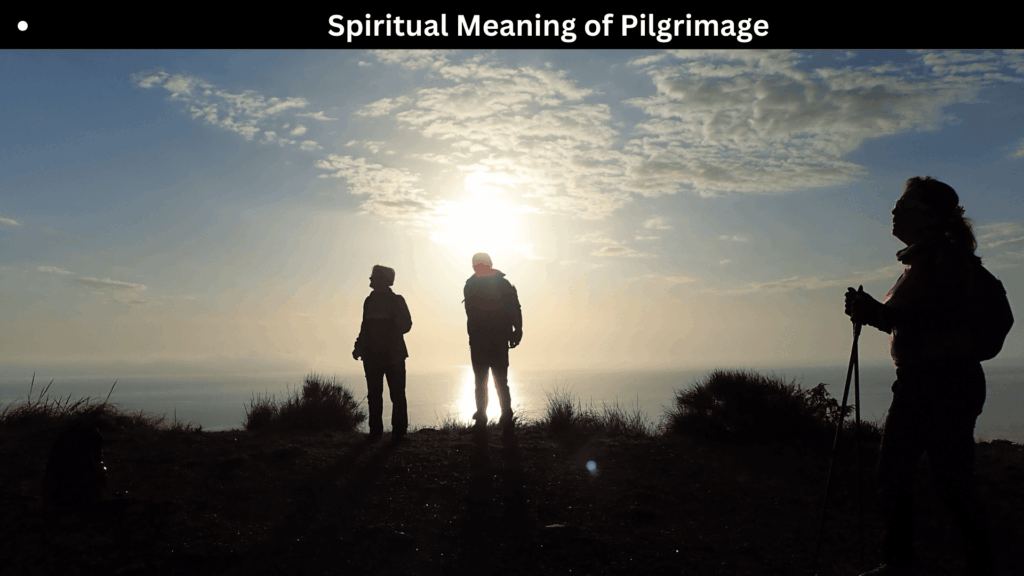
At its core, pilgrimage means “a journey to a sacred place.” The word comes from the Latin peregrinus, meaning “traveler” or “foreigner.” That’s interesting, isn’t it? Because during a pilgrimage, you become a kind of foreigner—away from your normal routine, your comfort zone, even your old identity.
The Spiritual Meaning of Pilgrimage goes far beyond travel. It symbolizes:
- A search for divine connection
- A desire for purification
- A step toward repentance or gratitude
- A journey of self-discovery
When someone sets out on pilgrimage, they leave behind distractions. They slow down. They reflect. In many ways, the road becomes a classroom for the soul.
Historical Origins of Sacred Travel Across Civilizations
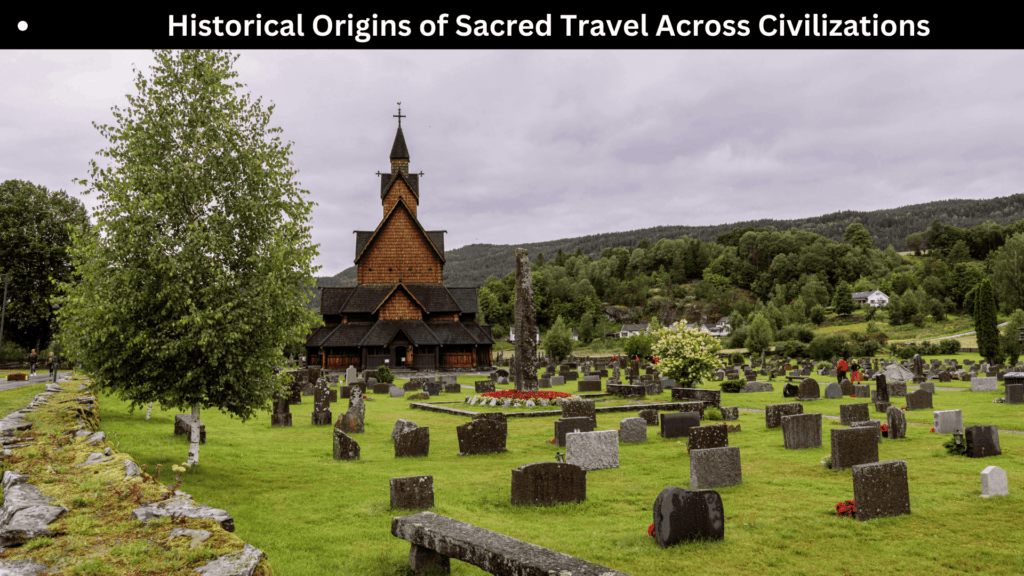
Pilgrimage is not limited to one religion. Nearly every major faith tradition includes sacred journeys.
Pilgrimage in Hindu Tradition
In Hinduism, millions gather for the Kumbh Mela, one of the largest spiritual gatherings on Earth. Devotees bathe in sacred rivers to wash away sins and renew their spiritual life.
The city of Varanasi is another powerful destination. Located on the banks of the Ganges River, it is believed to grant liberation from the cycle of rebirth. Pilgrims travel there seeking moksha—freedom of the soul.
Pilgrimage in Christianity
For Christians, Jerusalem holds deep significance as the site of Jesus’ life, death, and resurrection. Walking the Via Dolorosa allows believers to reflect on sacrifice and redemption.
The Camino de Santiago in Spain attracts thousands each year. Pilgrims walk hundreds of miles, often describing the experience as life-changing.
Pilgrimage in Islam
The Hajj is one of the Five Pillars of Islam. Every Muslim who is physically and financially able must travel to Mecca at least once in their lifetime.
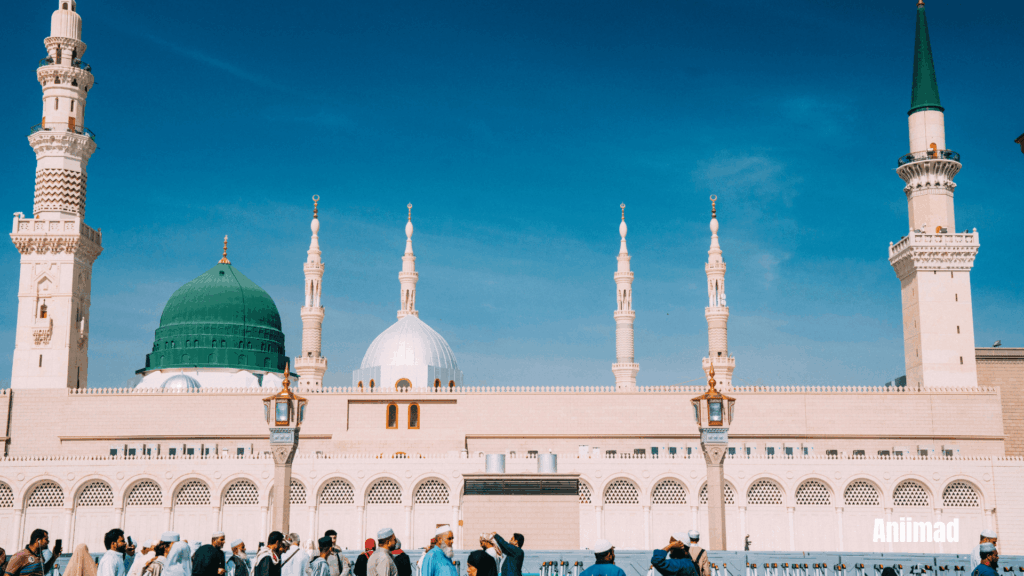
During Hajj, pilgrims wear simple white garments, symbolizing equality before God. Kings and laborers stand side by side. The message is clear: before the Divine, we are all the same.
Pilgrimage in Buddhism
Buddhists travel to Bodh Gaya, where Siddhartha Gautama attained enlightenment under the Bodhi tree. The journey symbolizes awakening and mindfulness.
Across traditions, one truth stands firm—pilgrimage connects the physical journey with spiritual awakening.
Symbolism Behind the Journey: Outer Travel, Inner Awakening
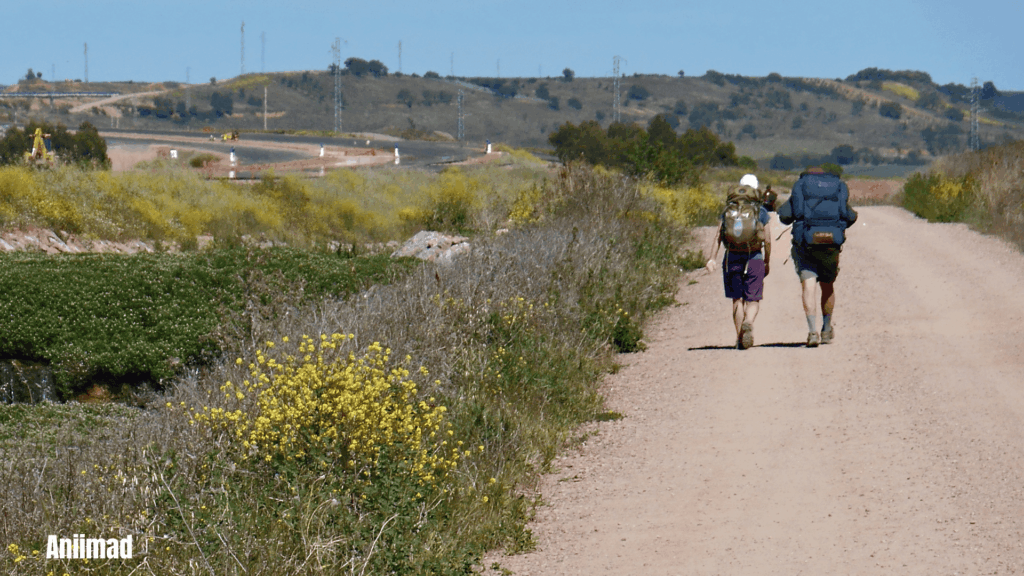
The road itself becomes a symbol. Each step forward represents growth. Each obstacle teaches patience.
The Road as a Sacred Teacher
Pilgrimage is rarely easy. There may be heat, cold, hunger, or exhaustion. But hardship builds humility. It reminds us that life is not always smooth—and that growth often comes through struggle.
Walking long distances also creates silence. Without constant noise, people hear their own thoughts more clearly. Some even describe it as hearing God’s whisper.
Letting Go of Comfort and Ego
Pilgrims pack lightly. They carry only what they need. Spiritually, this reflects letting go of pride, resentment, and fear.
It’s amazing how powerful simplicity can be. When you remove luxury, you discover gratitude.
Psychological and Emotional Dimensions of Pilgrimage
Modern psychology supports what spiritual teachers have long known: intentional journeys can transform identity.
Studies from institutions like Harvard University suggest that stepping outside routine environments can enhance reflection and emotional clarity.
Pilgrimage as a Rite of Passage
In many cultures, pilgrimage marks a turning point:
- Entering adulthood
- Recovering from grief
- Seeking forgiveness
- Beginning a new chapter
It creates space for change. When pilgrims return home, they are not quite the same person.
Community, Belonging, and Shared Faith
Pilgrimage also builds unity. Strangers become friends. Shared hardship creates deep bonds.
There’s something powerful about walking beside others who share your faith. It reminds us that spirituality is not just personal—it’s communal.
Sacred Destinations and Their Spiritual Energy
Why do certain places feel holy? Many believe sacred sites hold spiritual energy because of centuries of prayer and devotion.
Mountains, Rivers, and Deserts as Sacred Symbols
Nature often plays a key role:
- Mountains symbolize closeness to heaven.
- Rivers represent purification.
- Deserts reflect testing and revelation.
These landscapes shape spiritual imagination.
Modern Pilgrimage in a Fast-Paced World
In today’s digital age, people crave stillness. Many choose walking pilgrimages or silent retreats as a form of spiritual detox.
Secular and Personal Pilgrimages
Not all pilgrimages are religious. Some people hike long trails to rediscover themselves. Others visit ancestral lands to reconnect with heritage.
The heart of pilgrimage remains the same: intentional movement toward meaning.
The Spiritual Meaning of Pilgrimage in Daily Life
You don’t always need a plane ticket. Life itself can be a pilgrimage.
Every challenge can be a sacred lesson. Every morning can be a fresh step toward growth. When lived with intention, even daily routines carry spiritual meaning.
Common Misconceptions About Sacred Journeys
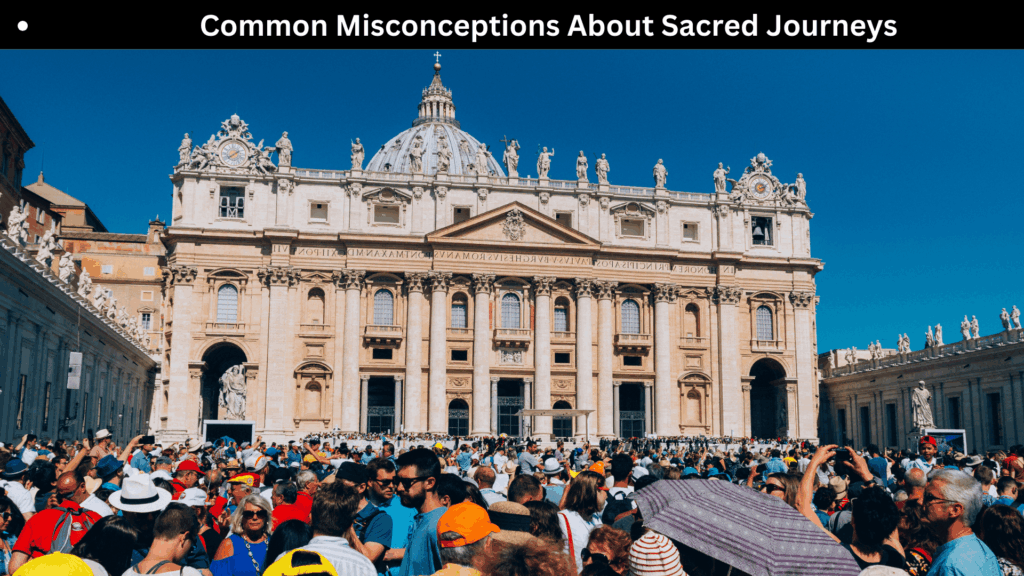
Let’s clear up a few myths:
| Misconception | Truth |
|---|---|
| Pilgrimage is just tourism | It requires intention and devotion |
| Only religious people go | Anyone seeking meaning can journey |
| The destination matters most | The journey transforms the heart |
Practical Steps to Prepare for a Spiritual Pilgrimage
- Set a clear intention.
- Pray or meditate beforehand.
- Travel light—physically and emotionally.
- Keep a journal.
- Stay open to unexpected lessons.
FAQs
Is pilgrimage required in all religions?
No, but many faiths strongly encourage it as an act of devotion.
Can a pilgrimage change your personality?
It can deepen patience, humility, and gratitude.
How long should a pilgrimage last?
It varies—from a day to several months.
Do you need to travel far?
Not always. Meaning matters more than distance.
Is pilgrimage only for adults?
No, people of all ages participate.
What is the main goal of pilgrimage?
Spiritual growth and deeper connection with the Divine.
Conclusion
The Spiritual Meaning of Pilgrimage reminds us that life itself is sacred movement. We leave comfort, face challenges, seek truth, and return wiser.
Whether walking ancient roads or simply living with intention, pilgrimage teaches one powerful lesson: transformation happens when we dare to journey.