Spiritual Meaning of Meditation: 9 Transformative Insights for Inner Peace and Powerful Growth
Spiritual Meaning of Meditation explained through 9 transformative insights that reveal inner peace, higher consciousness, and powerful personal growth.
The Spiritual Meaning of Meditation goes far beyond sitting quietly with closed eyes. It is not merely a relaxation tool or a method to calm stress. Instead, it represents a sacred journey inward — a path that leads to clarity, awakening, and profound personal transformation. For thousands of years, seekers across cultures have practiced meditation to discover deeper truth, connect with the divine, and understand their true nature.
In today’s busy world, meditation feels more important than ever. Life moves fast. Noise surrounds us. Distractions never stop. Yet deep inside, there is a quiet place — a still center waiting to be rediscovered. Meditation helps us return to that center. It teaches us that peace is not found outside, but within.
Let’s explore how meditation carries spiritual meaning and why it has such life-changing power.
Introduction to Meditation as a Sacred Practice
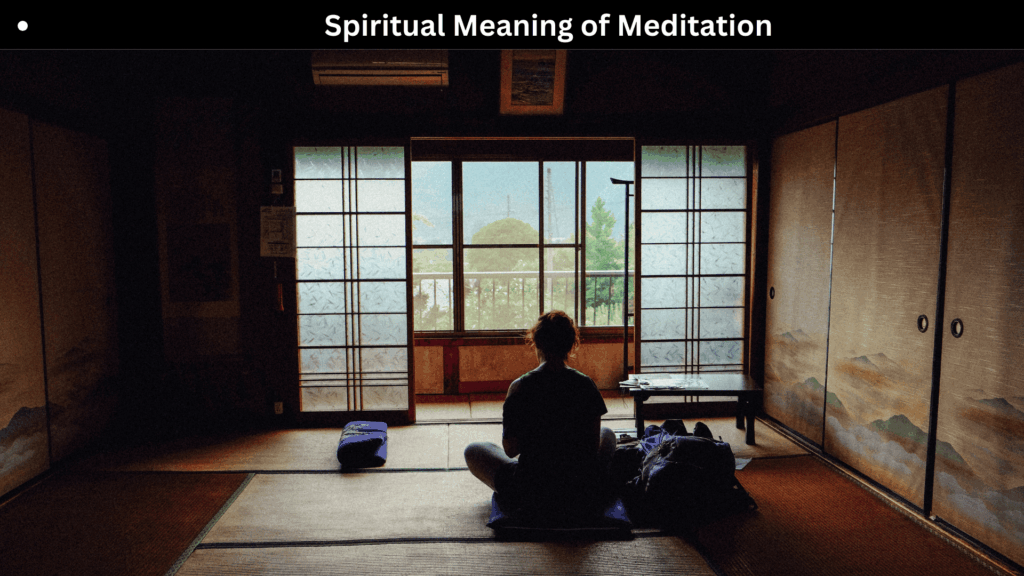
Meditation is often described as focused awareness. But spiritually speaking, it is much more. It is a sacred meeting between you and your inner self.
Ancient civilizations practiced meditation long before modern science studied its benefits. In Bhagavad Gita, meditation is presented as a path to self-realization. In Dhammapada, mindfulness is described as the road to enlightenment. Christian mystics practiced contemplative prayer, while Sufi traditions emphasized remembrance of the divine.
Across traditions, the message remains clear: meditation opens the heart and mind to higher wisdom.
Historical Roots in Eastern and Western Traditions
Meditation flourished in ancient India through yogic traditions. Buddhist teachings later refined mindfulness practices. In the West, contemplative monks practiced silent prayer inside monasteries.
Even today, spiritual teachers like Thich Nhat Hanh have shared meditation as a bridge between spirituality and daily life.
Meditation Beyond Relaxation
Sure, meditation reduces stress — and that’s wonderful. But spiritually, its purpose is awakening. It helps dissolve illusions. It reveals who we truly are beneath fear, ego, and social roles.
Relaxation is the doorway. Awareness is the destination.
Understanding the Spiritual Meaning of Meditation
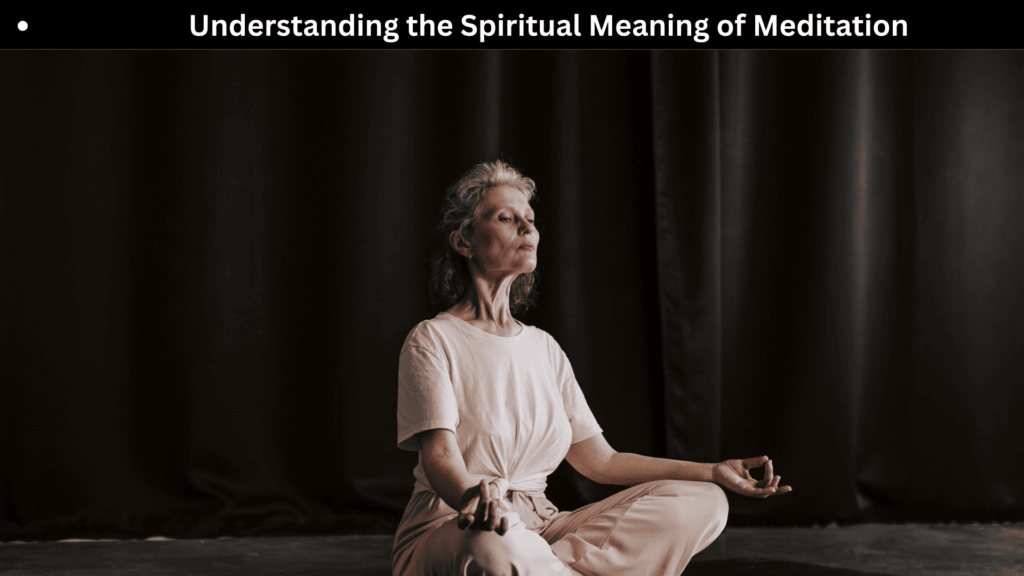
The Spiritual Meaning of Meditation lies in connection — connection with your inner being, with others, and with something greater than yourself.
When you meditate, you observe your thoughts without judgment. Slowly, you begin to realize something surprising: you are not your thoughts. You are the awareness behind them.
That realization changes everything.
Awakening Higher Consciousness
Spiritual awakening doesn’t always come with fireworks. Often, it feels gentle — like sunlight at dawn. You notice greater patience. You react less. You listen more deeply.
Meditation helps expand consciousness beyond daily worries. It invites you into presence — the sacred now.
Union of Mind, Body, and Spirit
Many spiritual traditions teach that imbalance causes suffering. Meditation restores harmony. Your breathing slows. Your heartbeat steadies. Your mind clears.
This union creates alignment — a sense that life flows instead of fights.
The Role of Intention in Spiritual Growth
Intention matters. When you meditate with purpose — seeking growth, compassion, or healing — the experience deepens. Intention acts like a compass guiding your spiritual journey.
The Symbolism Behind Silence and Stillness
Silence may seem empty, but spiritually it is full of wisdom.
In silence, distractions fade. The ego softens. Truth whispers.
Stillness symbolizes surrender. It reminds us that we do not need to chase meaning — sometimes we simply need to pause and allow it.
Silence as a Gateway to Wisdom
Have you ever noticed that your best ideas come when you’re quiet? That’s no accident. Silence creates space for insight.
Stillness in a Noisy World
In a culture obsessed with productivity, stillness feels rebellious. Yet spiritually, it is powerful. It teaches detachment from chaos and attachment to peace.
Meditation and the Journey of Self-Discovery
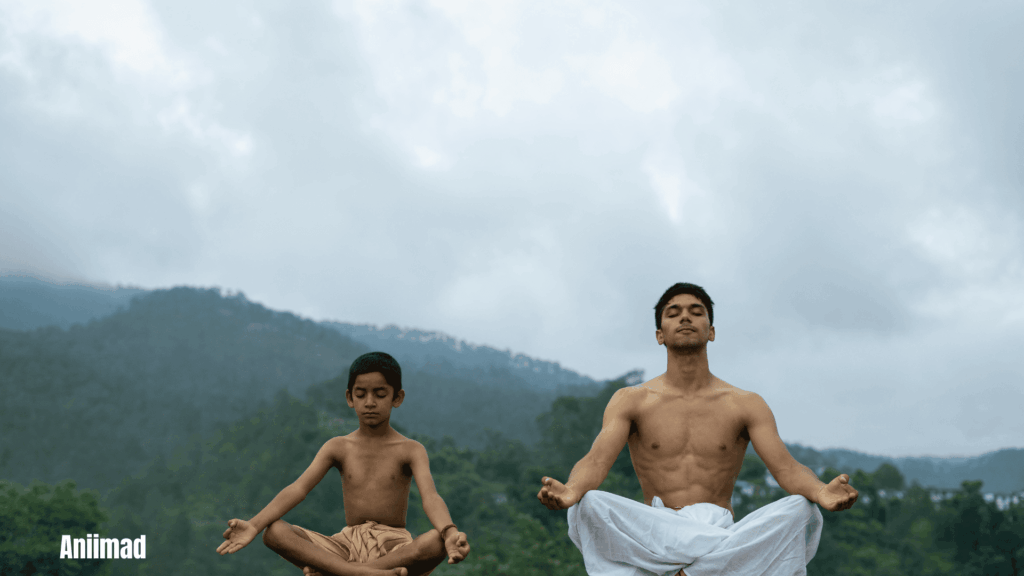
Meditation shines a gentle light on hidden parts of ourselves. Sometimes we discover joy. Sometimes we confront fear. Both are important.
Facing the Shadow Self
We all carry wounds. Meditation helps us observe them without running away. Healing begins with awareness.
Discovering Inner Truth
As layers of conditioning fall away, authenticity emerges. You begin living according to your values rather than expectations.
The Energy Body and Spiritual Awakening
Many spiritual systems describe an energy body. In yogic philosophy, this includes chakras — energy centers from root to crown.
Meditation balances these centers, allowing energy to flow freely.
Balancing the Chakras Through Meditation
Focused attention on each chakra promotes harmony. For example:
| Chakra | Spiritual Theme |
|---|---|
| Root | Stability |
| Heart | Love |
| Crown | Divine connection |
Breathwork and Prana Flow
Conscious breathing increases vitality. Slow breathing signals safety to the nervous system, deepening meditation.
Meditation as a Path to Compassion and Love
Spiritual growth naturally increases compassion. As awareness expands, separation decreases.
Loving-kindness meditation specifically cultivates empathy. Studies from institutions like Harvard University show that compassion practices improve emotional well-being.
Heart-Centered Awareness
Gratitude and kindness become daily habits, not forced actions.
Healing Relationships Spiritually
Forgiveness often arises during meditation. You realize holding anger hurts you more than others.
Scientific Perspectives Supporting Spiritual Benefits
Modern science confirms what mystics have long known.
Research from National Institutes of Health shows meditation reduces stress and enhances emotional regulation. Brain scans reveal improved focus and increased gray matter in areas linked to learning and memory.
You can explore meditation research at:
https://www.nih.gov
Brain Changes and Neuroplasticity
Meditation rewires the brain through neuroplasticity. Regular practice strengthens calm responses.
Stress Reduction and Emotional Balance
Lower cortisol levels lead to better resilience and clarity.
Common Spiritual Experiences During Meditation
Experiences vary widely.
Some feel warmth or lightness. Others experience deep peace. A few may report visions or symbolic imagery.
Feeling Connected to the Universe
A sense of unity may arise — the understanding that all life is interconnected.
Moments of Profound Insight
Sudden clarity about life decisions can appear during quiet reflection.
Obstacles on the Spiritual Path of Meditation

Let’s be honest — meditation isn’t always easy.
Restlessness, boredom, or doubt may show up.
Overcoming Mental Distractions
Gently return to your breath. No judgment.
Dealing with Spiritual Doubt
Growth takes patience. Trust the process.
Different Types of Spiritual Meditation Practices
There are many approaches:
- Mindfulness meditation
- Mantra repetition
- Guided visualization
- Loving-kindness meditation
Mantra and Sacred Sound
Sacred sounds create vibrations that calm the mind.
Mindfulness and Present-Moment Awareness
Mindfulness trains attention to remain in the present without criticism.
Creating a Sacred Meditation Routine
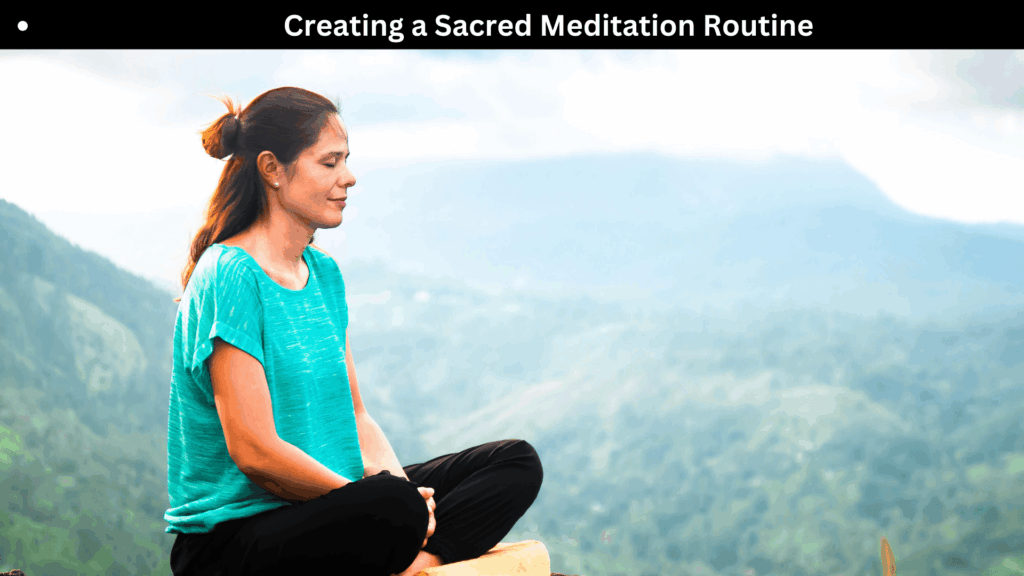
Consistency builds depth.
Designing a Peaceful Environment
Choose a quiet space. Add candles or calming objects if desired.
Consistency and Discipline
Even 10 minutes daily makes a difference.
FAQs
How long should I meditate daily?
Start with 5–10 minutes and gradually increase.
Can meditation conflict with religion?
No. Meditation complements many faiths.
What if my mind won’t stop thinking?
That’s normal. Observe thoughts without attachment.
Is meditation safe for everyone?
Generally yes, though individuals with trauma may benefit from guidance.
How soon will I see spiritual results?
Results vary. Consistency matters more than speed.
Can meditation change personality?
It can increase patience, empathy, and awareness.
Conclusion
The Spiritual Meaning of Meditation is not found in dramatic experiences but in quiet transformation. It reveals that peace was always within reach. It strengthens compassion. It deepens understanding. It reconnects you with your true self.
Meditation is not an escape from life — it is a deeper engagement with it. When practiced regularly, it becomes a trusted companion on your spiritual path.