Spiritual Meaning of Love: 21 Powerful Truths That Transform the Soul
Spiritual meaning of love explained through deep wisdom, universal truths, and 21 powerful insights that awaken the soul and elevate human consciousness.
Spiritual Meaning of Love: A Profound and Timeless Truth
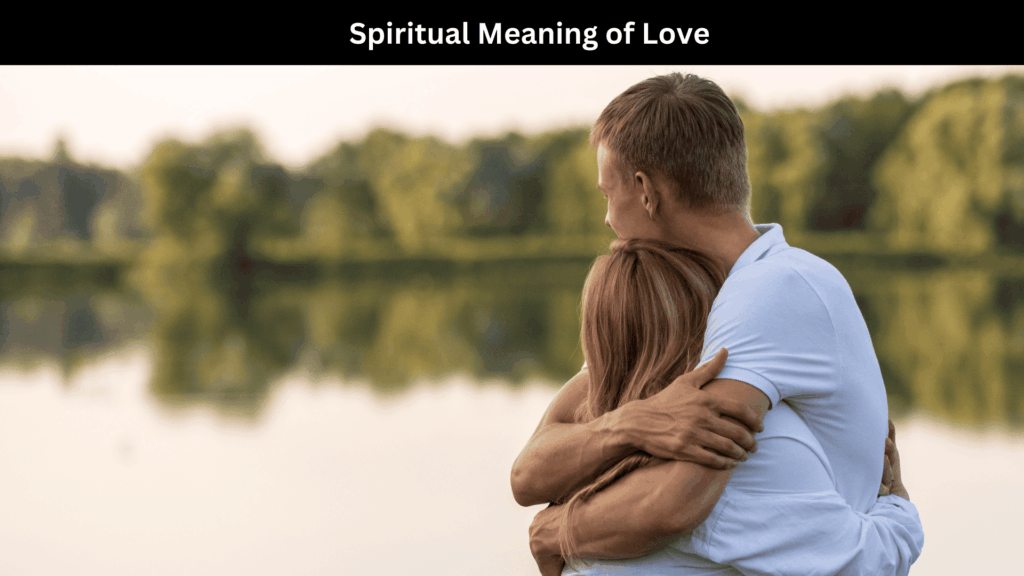
Love is more than an emotion, more than a fleeting feeling of affection or attraction. At its deepest level, the spiritual meaning of love reveals a sacred force that binds the universe together. Across cultures, religions, and philosophies, love is described as the highest vibration, the purest expression of the soul, and the foundation of all creation. In spiritual terms, love is not something we merely feel—it is something we are.
From a spiritual perspective, love flows from a higher consciousness. It transcends personal desire and ego-driven attachment, guiding humanity toward unity, compassion, and inner peace. When we begin to understand love in this way, our relationships shift, our priorities realign, and our inner world becomes calmer and more purposeful. Simply put, love becomes a path to awakening.
Understanding Love Beyond Emotion
Most people grow up believing love is an emotion that comes and goes. Spiritually, however, love is a state of being. Emotions fluctuate, but love—true love—remains steady and expansive. It is not dependent on circumstances, appearances, or outcomes.
Spiritual teachings often distinguish between love and attachment. Attachment arises from fear, insecurity, or need. Love arises from wholeness. When love is rooted in spirituality, it does not seek to possess or control. Instead, it allows, accepts, and nurtures growth.
In this sense, love becomes consciousness itself—an awareness that sees the divine spark in all beings. This awareness dissolves separation and reminds us that, at our core, we are deeply connected.
Love as a Universal Spiritual Energy
Spiritually, love is understood as a universal energy that flows through everything. Many traditions describe it as the highest frequency in existence. When we operate from love, our thoughts, words, and actions align with harmony and truth.
This energy is not limited to romantic relationships. It exists in kindness, generosity, patience, and forgiveness. Even small acts of love ripple outward, influencing the collective consciousness. That is why spiritual teachers often emphasize love as the most powerful force for change in the world.
Scientific perspectives on energy and vibration subtly echo this idea. While science and spirituality use different languages, both suggest that what we emit affects what we experience. Love, being a high-frequency energy, naturally attracts peace and balance.
Love in Ancient Spiritual Traditions
Ancient wisdom traditions consistently place love at the center of spiritual life. In Eastern philosophies, love is compassion—karuna—a deep concern for the suffering of others. Buddhism teaches loving-kindness as a practice that frees the mind from anger and fear.
In Hindu philosophy, love is bhakti, a devotional path where the soul reunites with the divine through surrender and devotion. Meanwhile, Western mysticism often speaks of love as divine grace—an unconditional gift from a higher power.
Despite cultural differences, the message remains the same: love is sacred, transformative, and essential for spiritual evolution.
Love and the Human Soul

The soul evolves through experience, and love is one of its greatest teachers. Every loving connection—whether joyful or painful—offers lessons that refine our awareness. Love challenges us to open our hearts, confront our fears, and grow beyond limitations.
From a spiritual lens, relationships are not random. They are soul agreements designed to teach patience, forgiveness, self-respect, or compassion. Even heartbreak holds meaning, often pushing us toward deeper self-understanding and inner strength.
When love is viewed this way, life’s emotional experiences gain purpose rather than feeling chaotic or unfair.
Love as a Path to Spiritual Awakening
Spiritual awakening often begins when love expands beyond the self. As individuals learn to love without conditions, they naturally awaken to higher truths. Ego softens, judgment fades, and awareness deepens.
Many spiritual awakenings are sparked by love—love for a child, a partner, humanity, or even life itself. This love acts like a mirror, revealing what truly matters and what no longer serves the soul’s growth.
Over time, love becomes a guiding light, gently leading the seeker toward inner peace and clarity.
Self-Love as a Sacred Practice
One of the most misunderstood spiritual concepts is self-love. Spiritually, loving oneself is not selfish—it is necessary. Without self-love, it becomes difficult to offer genuine love to others.
Self-love means honoring one’s boundaries, listening to inner wisdom, and treating oneself with compassion. It is a form of spiritual hygiene, cleansing the soul of shame, guilt, and self-doubt.
When practiced sincerely, self-love restores balance and strengthens the connection between mind, body, and spirit.
Compassion and Unconditional Love
Unconditional love lies at the heart of spiritual maturity. It does not depend on behavior, beliefs, or appearances. Instead, it recognizes the shared humanity in all beings.
Compassion flows naturally from this understanding. When we see others as reflections of ourselves, forgiveness becomes easier, and judgment loses its grip. This does not mean accepting harm or injustice; rather, it means responding with wisdom instead of hatred.
Unconditional love liberates both the giver and the receiver, dissolving inner conflict and fostering peace.
Divine Love and Higher Consciousness
Many spiritual paths describe divine love as the source of all existence. It is the creative force behind life, consciousness, and awareness. Experiencing divine love often feels expansive, peaceful, and deeply reassuring.
This form of love transcends human understanding. It is not earned or withheld—it simply is. Connecting with divine love elevates consciousness and reminds individuals of their spiritual origin.
Through prayer, meditation, or mindful presence, many people report profound encounters with this higher love.
Love as a Healing Force
Love heals where fear divides. Emotionally, love soothes wounds and restores trust. Spiritually, it realigns the soul with its natural state of harmony.
Acts of love—both given and received—can trigger deep healing. They soften emotional armor and allow suppressed pain to surface and release. This healing is not always instant, but it is lasting.
For this reason, love is often called the medicine of the soul.
Love in Relationships and Partnerships
Spiritual love within relationships is about growth rather than completion. A partner is not meant to fill a void but to walk alongside the soul’s journey.
Concepts like soulmates and twin flames reflect this idea. These connections often feel intense because they accelerate spiritual lessons. They challenge patterns, reveal wounds, and encourage transformation.
Healthy spiritual love respects individuality while nurturing unity—a delicate but powerful balance.
Love and Free Will
True love honors free will. Spiritually, love cannot coexist with control or manipulation. It allows others to choose their path, even when that choice brings separation.
Respecting free will is an act of trust in the universe’s wisdom. It reflects confidence that what is meant to stay will stay, and what leaves does so for growth.
This understanding brings peace during uncertainty and loss.
Love, Suffering, and Spiritual Growth

Suffering often accompanies love, yet spiritually, it serves a purpose. Pain exposes attachments, expectations, and fears that limit growth.
Through love-related suffering, the soul learns resilience, humility, and compassion. These lessons deepen awareness and prepare the heart for more expansive love.
Rather than weakening the spirit, love-infused suffering often strengthens it.
Transformative Power of Love
Love transforms perspectives. It turns anger into understanding, fear into trust, and isolation into connection. Over time, love reshapes identity, aligning it more closely with truth and authenticity.
This transformation is gradual but profound. Those who consistently choose love often experience greater inner peace and clarity.
Love as a Moral and Spiritual Compass
Spiritually, love guides ethical behavior. Decisions rooted in love tend to honor dignity, fairness, and empathy. When faced with uncertainty, asking, “What is the most loving response?” often reveals the wisest path.
This inner compass keeps actions aligned with higher values.
Living in Alignment With Love
To live in alignment with love means practicing mindfulness, kindness, and service. It means choosing compassion even when it feels difficult.
Daily life becomes a spiritual practice when love informs thoughts and actions.
Love as the Ultimate Spiritual Truth

At the highest level, love dissolves all illusions of separation. It reveals oneness—the understanding that all life is interconnected.
Many spiritual traditions conclude with the same realization: love is the ultimate truth, the beginning and the end of all seeking.
FAQs
What is the spiritual meaning of love?
It refers to love as a divine, unifying force that transcends emotion and connects all beings.
Is love a spiritual energy?
Yes, many traditions describe love as the highest vibrational energy.
Why is self-love important spiritually?
Because it creates inner balance and allows authentic love for others.
Can love cause spiritual awakening?
Absolutely. Love often opens the heart and expands awareness.
Why does love sometimes involve pain?
Pain reveals attachments and promotes spiritual growth.
How can I live more lovingly?
Practice compassion, mindfulness, and respect for free will.
Conclusion
The spiritual meaning of love reaches far beyond romance or emotion. It is the essence of life, the language of the soul, and the force that guides humanity toward unity and peace. When love is understood spiritually, it becomes not just something we feel—but a way we live, grow, and awaken.