The Powerful Spiritual Meaning of Loss: 7 Transformational Lessons for Inner Growth
Spiritual Meaning of Loss explained with deep insight—discover how loss becomes a powerful teacher guiding healing, faith, and inner transformation.
Loss is one of life’s most painful yet meaningful experiences. From a spiritual perspective, loss is never meaningless, even when it feels overwhelming. The Spiritual Meaning of Loss invites us to look beyond pain and discover hidden lessons that shape our soul, deepen our awareness, and guide personal growth. While loss may arrive as grief, separation, or change, its deeper purpose often unfolds slowly, revealing wisdom over time.
In spiritual traditions across the world, loss is seen not as an ending but as a transition. It removes what we cling to so that we may rediscover who we truly are. Though difficult, loss carries the potential to awaken compassion, humility, faith, and resilience. Let’s explore how this profound experience shapes the human spirit and leads to inner transformation.
Understanding Loss Beyond the Physical World
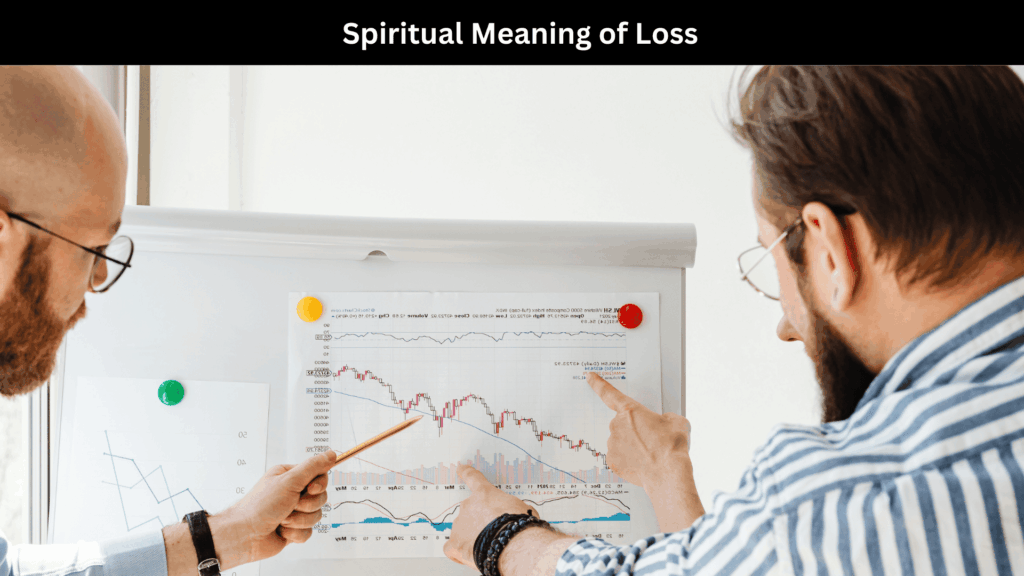
Loss is often understood only in physical or emotional terms. We grieve what is gone—people, relationships, security, or dreams. Spiritually, however, loss reaches far deeper. It challenges our identity, attachments, and assumptions about control. When something is taken away, we are forced to confront impermanence, a fundamental truth of life.
From a spiritual viewpoint, loss serves as a mirror. It reflects the depth of our attachments and invites us to examine what truly matters. Many spiritual teachers suggest that suffering arises not from loss itself, but from resistance to change. When we begin to see loss as part of life’s rhythm, its meaning shifts from punishment to guidance.
Emotionally, loss can feel like a storm. Spiritually, it can become a teacher. Pain often opens doors that comfort keeps closed. In moments of loss, people frequently ask deeper questions: Who am I without this? What is my purpose now? These questions mark the beginning of spiritual awareness.
Loss also connects humanity. Regardless of culture or belief, everyone experiences loss at some point. This shared vulnerability builds empathy and compassion, reminding us that we are not alone. Spiritually, loss dissolves separation and encourages connection—both with others and with our inner self.
Rather than seeing loss as something to escape, spiritual wisdom encourages acceptance. Acceptance does not mean forgetting or approving pain. Instead, it means allowing loss to shape understanding. Over time, this acceptance brings peace, clarity, and inner strength.
The Spiritual Meaning of Loss in Different Life Situations
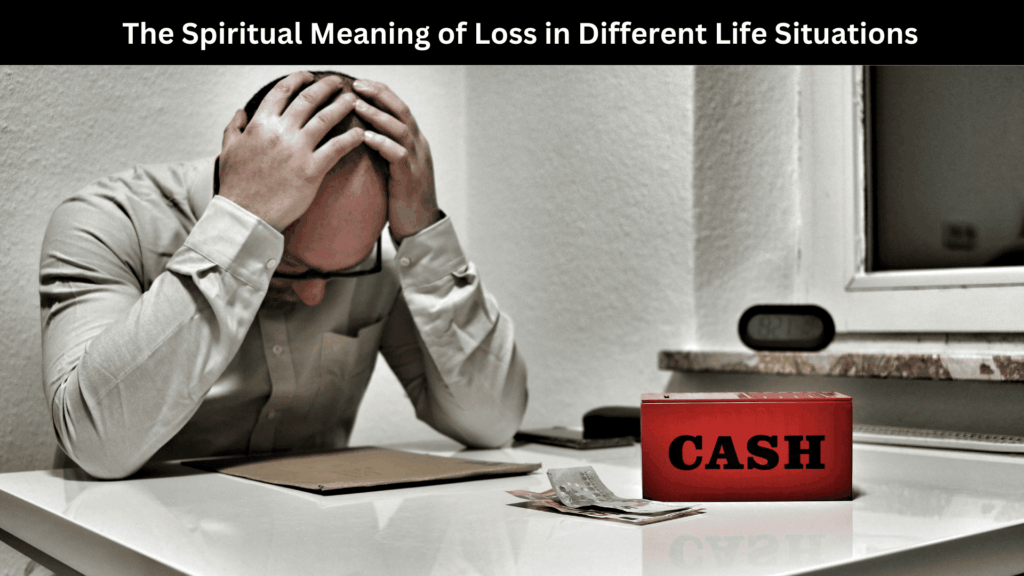
Loss appears in many forms, each carrying its own spiritual lesson. The loss of a loved one often brings the deepest grief. Spiritually, it reminds us of the sacredness of life and the continuity of love beyond physical presence. Many believe that while bodies perish, connections remain through memory, influence, and spiritual bonds.
The loss of relationships or friendships challenges our sense of belonging. Spiritually, it teaches self-worth independent of external validation. When relationships end, we are invited to rediscover our identity and strengthen our inner foundation. These experiences often prepare us for healthier connections in the future.
Loss of health, work, or financial stability can shake confidence and security. Yet spiritually, these losses strip away illusions of control. They remind us that our value is not defined by productivity or status. In these moments, resilience, patience, and trust are cultivated.
Unexpected endings often carry hidden lessons. What feels like failure may actually be redirection. Spiritually, loss clears space for growth that could not occur otherwise. Many people later recognize that their greatest transformations followed their greatest losses.
Through each situation, the Spiritual Meaning of Loss remains consistent: removal leads to revelation. What is taken away often reveals inner strengths, truths, and paths previously unseen.
Why Loss Often Triggers Spiritual Awakening
Loss has a unique power to awaken the soul. When life is comfortable, spiritual questions are easy to ignore. Loss interrupts routine and demands reflection. It breaks ego attachments and challenges false identities built around possessions, roles, or relationships.
Spiritually, awakening begins when illusions fall away. Loss forces us to confront impermanence, encouraging humility and presence. Many people report heightened intuition, empathy, and awareness after experiencing loss. This sensitivity opens doors to spiritual insight.
Compassion is another gift born from loss. Having suffered, individuals become more understanding of others’ pain. This shared humanity strengthens spiritual maturity. Loss teaches that everyone carries invisible struggles.
Awareness of impermanence also deepens gratitude. After loss, simple moments gain value. Spiritually awakened individuals often live more consciously, appreciating what remains rather than mourning what is gone.
Loss does not awaken everyone immediately, but it plants seeds. Over time, these seeds grow into wisdom, patience, and faith, shaping a deeper connection with life itself.
Grief as a Sacred Process of Healing

Grief is not a weakness; it is a sacred response to loss. Spiritually, grief honors love. It reflects the depth of connection shared. Suppressing grief blocks healing, while allowing it opens transformation.
The stages of grief—denial, anger, bargaining, depression, and acceptance—mirror spiritual growth. Each stage teaches surrender, honesty, and resilience. Grief softens the heart, making space for healing.
Spiritually, emotions are not obstacles but messengers. Tears cleanse emotional wounds, releasing stored pain. When grief is honored, it becomes a bridge between suffering and peace.
Many spiritual traditions encourage rituals, prayer, or meditation during grief. These practices provide comfort and meaning. Nature, silence, and reflection also support healing by grounding emotions.
Through grief, the soul learns endurance. Pain does not disappear instantly, but it transforms. Over time, grief evolves into remembrance, gratitude, and strength.
Signs the Universe Is Speaking Through Loss
Loss often carries subtle messages. Repeating life patterns may suggest lessons unlearned. Spiritually, loss may signal the need for change, growth, or alignment with purpose.
Inner transformation signs include heightened intuition, dreams, or sudden clarity. Many experience synchronicities—meaningful coincidences—that guide healing.
Loss may also redirect life paths. Doors close so others may open. Spiritually, trust grows when we recognize guidance within uncertainty.
Listening requires stillness. Through reflection, loss reveals its meaning, offering direction rather than despair.
How Loss Strengthens Faith, Hope, and Inner Wisdom

Faith is often tested by loss. Spiritually, this testing refines belief, transforming blind faith into lived trust. Loss teaches surrender—letting go of control and trusting life’s unfolding.
Hope emerges not as denial, but as resilience. Inner wisdom grows through reflection, patience, and acceptance. Spiritually mature individuals carry loss without being defined by it.
Cultural and Religious Views on the Spiritual Meaning of Loss
Across cultures, loss holds spiritual significance. Eastern traditions view loss as part of karma and impermanence. Western beliefs often emphasize redemption and renewal.
Despite differences, common themes emerge: transformation, humility, and continuity beyond physical existence. These shared beliefs highlight loss as a universal teacher.
Practical Spiritual Practices to Heal After Loss
Meditation calms the mind and connects inner peace. Journaling helps process emotions. Prayer offers comfort and guidance. Spending time in nature grounds healing.
These practices support spiritual integration, allowing loss to become wisdom rather than suffering.
Life After Loss: Rebuilding with Purpose

After loss, identity shifts. Spiritually, rebuilding involves rediscovering values and purpose. Pain transforms into compassion, and life gains renewed meaning.
Loss reshapes priorities, guiding individuals toward authenticity and service.
FAQs
Why does loss hurt so deeply?
Because it reflects love, attachment, and connection.
Can loss lead to spiritual growth?
Yes, many awaken spiritually through loss.
How long does spiritual healing take?
Healing is personal and unfolds gradually.
Is loss a punishment or a lesson?
Spiritually, loss is a lesson, not a punishment.
How can I find peace after loss?
Through acceptance, reflection, and spiritual practices.
Does everyone experience loss the same way?
No, each journey is unique.
Conclusion
The Spiritual Meaning of Loss reveals that pain carries purpose. Though loss may break the heart, it strengthens the soul. By embracing its lessons, we transform suffering into wisdom, grief into growth, and endings into beginnings. Loss, when understood spiritually, becomes not an enemy—but a guide toward wholeness and inner peace.