The Powerful Spiritual Meaning of Joy: 9 Life-Changing Insights for the Soul
Spiritual Meaning of Joy explained through timeless wisdom, healing insights, and practical guidance to awaken inner peace and soulful fulfillment.
Joy is more than a passing smile or a moment of laughter. At a deeper level, joy is a spiritual state that reflects harmony between the soul, mind, and life itself. The Spiritual Meaning of Joy points to an inner glow that remains steady even when life feels uncertain. Unlike surface happiness, which often depends on circumstances, joy flows from within. It rises quietly, yet powerfully, reminding us that life holds meaning beyond what we can see.
Across cultures and spiritual traditions, joy has been seen as a sacred sign—proof that the soul is aligned with truth, purpose, and higher awareness. When joy appears, it often signals growth, healing, or a renewed connection with the divine. In this article, we explore how joy functions as a spiritual guide, a healer, and a steady companion on the human journey.
Understanding Joy Beyond Happiness
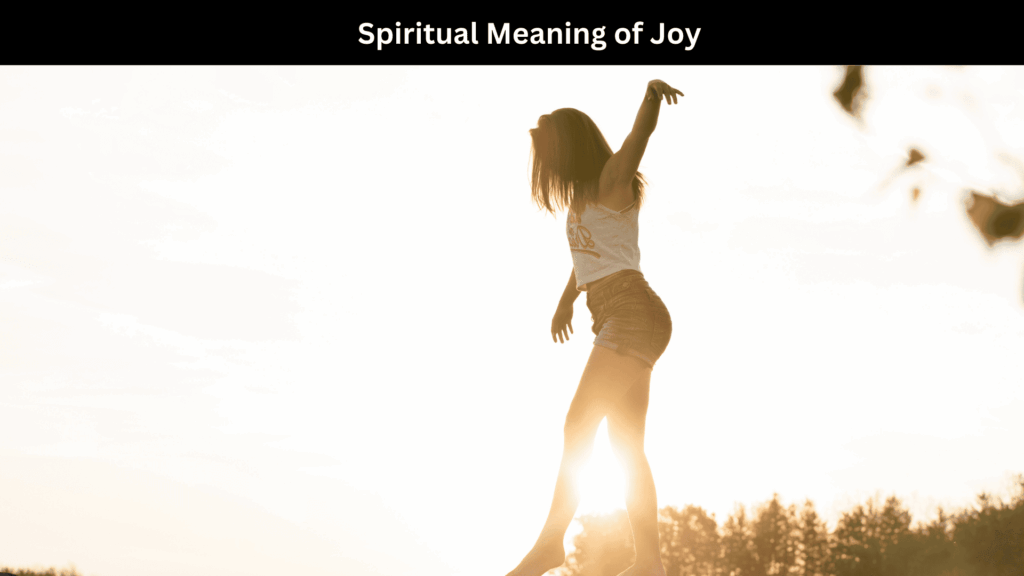
Happiness is often linked to success, comfort, or achievement. Joy, however, is rooted in being rather than having. From a spiritual perspective, joy arises when the soul feels at peace with itself and the world.
Joy as a Soul-Centered Experience
Joy flows from inner awareness. It is the quiet confidence that life has meaning, even during struggle. Many spiritual teachers describe joy as the soul’s natural state—one that emerges when fear, ego, and attachment loosen their grip. This explains why people sometimes feel joy during meditation, prayer, or moments of deep reflection.
Difference Between Pleasure and Sacred Joy
Pleasure is temporary and often external. Sacred joy is lasting and internal. Pleasure fades when conditions change, but joy remains steady because it is not tied to outcomes. This distinction helps explain why spiritually grounded individuals often radiate calm joy, even in hardship.
The Spiritual Meaning of Joy in Ancient Wisdom
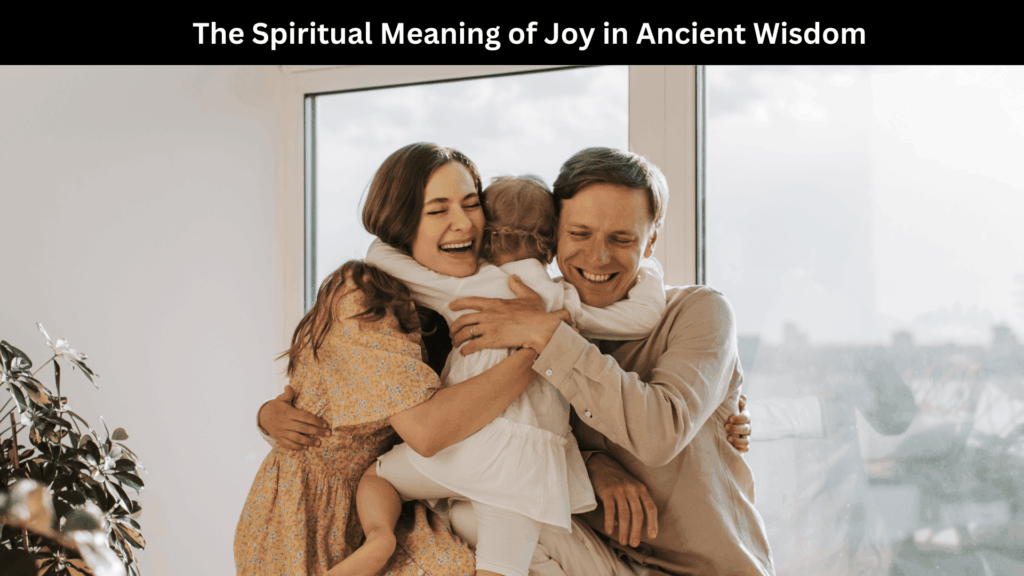
Ancient traditions viewed joy as essential to spiritual awakening. It was never seen as shallow or selfish, but as evidence of inner clarity.
Joy in Eastern Spiritual Traditions
In Buddhism, joy is linked to freedom from attachment. When desire and fear fade, joy naturally appears. Hindu philosophy describes Ananda, or bliss, as the soul’s true nature—an unchanging joy beyond worldly illusion.
Inner Peace and Enlightenment
Eastern teachings suggest that joy grows when the mind becomes still. Meditation, compassion, and mindfulness are tools that clear mental noise, allowing joy to rise naturally.
Joy in Western Mysticism
Christian mystics often described joy as a gift from God, experienced when the heart aligns with divine love. Philosophers such as Augustine believed true joy came from knowing one’s spiritual source rather than chasing material success.
Joy as a Sign of Spiritual Alignment
Joy often appears when life choices match inner values. It acts as a compass, quietly confirming that one is on the right path.
Alignment with Purpose and Values
When actions reflect personal truth, joy follows. This does not mean life becomes easy; rather, challenges feel meaningful instead of draining. Joy becomes a signal of authenticity.
Listening to Inner Guidance
Many people notice joy when they trust intuition. This inner voice often guides decisions that support long-term growth rather than short-term comfort.
Joy and the Connection to the Divine

Spiritual traditions frequently describe joy as a bridge between humans and the divine.
Joy as a Divine Language
Joy can be understood as a form of spiritual communication. Moments of sudden joy may arise during prayer, service, or awe-inspiring experiences, suggesting a deeper connection with a higher presence.
Gratitude and Spiritual Awareness
Gratitude opens the heart, making space for joy. When individuals recognize blessings—large or small—they often feel spiritually supported and guided.
Emotional Healing Through Joy
Joy is not the absence of pain. Instead, it works alongside pain, softening its weight.
Releasing Pain and Past Wounds
Joy encourages forgiveness and acceptance. When people allow joy without guilt, emotional wounds begin to heal. Joy reminds the soul that pain does not define identity.
Joy as Emotional Medicine
Modern psychology echoes ancient wisdom by showing that joy supports resilience, balance, and mental health. Spiritually, this healing effect is seen as the soul restoring itself.
Joy as a Tool for Spiritual Growth
Joy teaches presence. It draws attention to the now, where growth happens.
Lessons Hidden in Joyful Moments
Joyful moments often carry lessons about simplicity, gratitude, and trust. They remind us that fulfillment does not require perfection.
Conscious Living and Presence
By noticing joy, individuals become more mindful. This awareness deepens spiritual understanding and encourages intentional living.
The Role of Joy in Daily Spiritual Practice
Joy does not require grand rituals. It thrives in daily life.
Finding Joy in Simple Acts
Acts like helping others, walking in nature, or sharing kindness naturally awaken joy. These moments ground spirituality in reality.
Gratitude Rituals and Reflection
Daily gratitude practices strengthen joy by shifting focus from lack to abundance. Over time, this habit reshapes spiritual perception.
Joy, Energy, and Vibrational Frequency

Many spiritual systems describe emotions as energy. Joy is considered one of the highest vibrations.
Joy and Positive Vibrations
Joyful states attract clarity, compassion, and balance. They influence not only personal well-being but also relationships and environments.
Raising Spiritual Awareness
Sustained joy heightens awareness. It encourages openness, empathy, and spiritual insight.
Cultural Interpretations of Joy
Cultures express joy differently, yet its spiritual value remains universal.
Joy in Community and Family Life
In many societies, joy is shared through festivals, rituals, and communal support. These expressions reinforce connection and belonging.
Common Misconceptions About Spiritual Joy
Joy Does Not Mean Absence of Pain
A common myth suggests spiritual people are always happy. In truth, joy coexists with sorrow. It offers strength, not denial.
How to Cultivate Lasting Spiritual Joy

Mindfulness, Service, and Faith
Mindfulness anchors awareness. Service opens the heart. Faith builds trust. Together, they create conditions where joy can flourish naturally.
FAQs
Is joy the same as happiness?
No. Happiness depends on events, while joy is an inner spiritual state.
Can joy exist during difficult times?
Yes. Spiritual joy often appears during hardship as inner strength.
How can I experience more joy daily?
Practice gratitude, mindfulness, and compassion consistently.
Is joy selfish in spirituality?
No. True joy often leads to kindness and service.
Does joy indicate spiritual growth?
Often, yes. Joy can signal alignment and inner clarity.
Can joy be learned?
Joy can be cultivated through awareness and intentional living.
Conclusion
The Spiritual Meaning of Joy reveals joy as a sacred guide rather than a fleeting emotion. It reflects inner alignment, emotional healing, and divine connection. By honoring joy in daily life, individuals nurture spiritual growth and discover that joy is not something to chase—it is something to remember.