Spiritual Meaning of Incense: 15 Powerful and Uplifting Insights for Sacred Living
Spiritual Meaning of Incense revealed through 15 powerful insights that explore ancient rituals, sacred symbolism, and modern spiritual practices for a peaceful and uplifted life.
The Spiritual Meaning of Incense has touched human hearts for thousands of years. From ancient temples filled with fragrant smoke to quiet corners of modern homes, incense continues to play a special role in spiritual life. When incense burns, it does more than release a pleasant aroma—it tells a story. It symbolizes prayer, purification, and connection with something greater than ourselves.
Across cultures and faiths, incense has served as a bridge between the physical and spiritual worlds. The rising smoke often represents hopes, wishes, and prayers lifting toward the heavens. Even today, people light incense to meditate, relax, or cleanse their space. Let’s explore its deep spiritual roots, powerful symbolism, and uplifting influence on daily life.
Introduction to the Spiritual Meaning of Incense
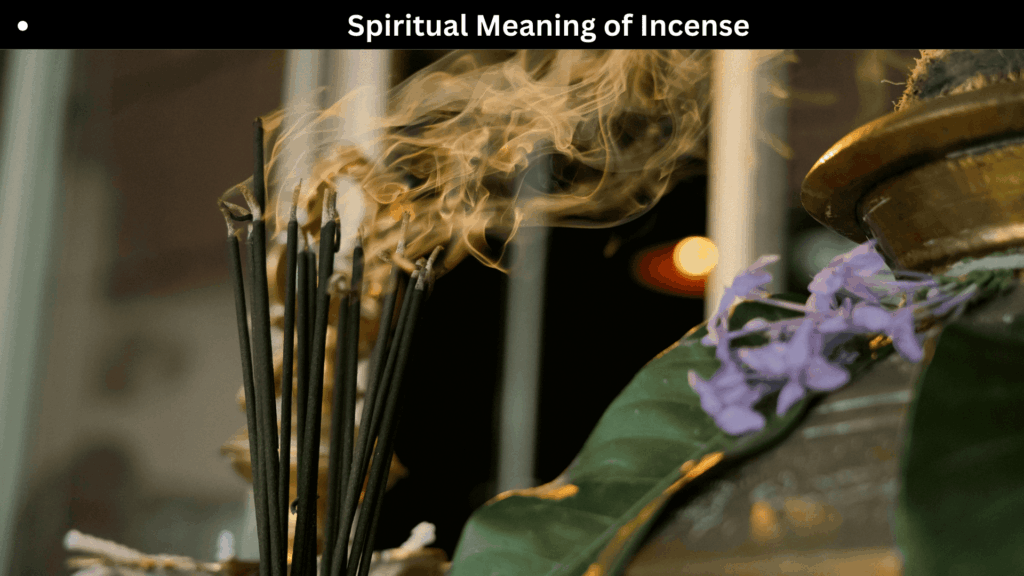
Incense is made from aromatic plant materials such as resins, bark, flowers, and essential oils. When burned, it releases fragrant smoke that has been used in rituals for centuries. But its purpose goes beyond fragrance.
Spiritually, incense represents:
- Purification
- Devotion
- Transformation
- Protection
- Prayer
The act of burning incense is symbolic. Solid material turns into smoke and ash. This transformation reflects the human journey—letting go of ego and rising toward spiritual awareness.
Historical Origins of Sacred Smoke
Archaeologists have discovered incense burners in ancient tombs and temples. In Egypt, priests burned aromatic resins during ceremonies for gods and goddesses. In India, incense became part of Vedic rituals thousands of years ago. Meanwhile, traders carried frankincense along the famous Silk Road, spreading its spiritual significance across continents.
Incense as a Universal Spiritual Tool
Despite differences in culture, the meaning remains surprisingly similar: incense cleanses and connects. Whether in temples, churches, or meditation rooms, it creates sacred space. And honestly, who hasn’t felt a sense of calm when surrounded by gentle fragrance?
Ancient Civilizations and Sacred Rituals
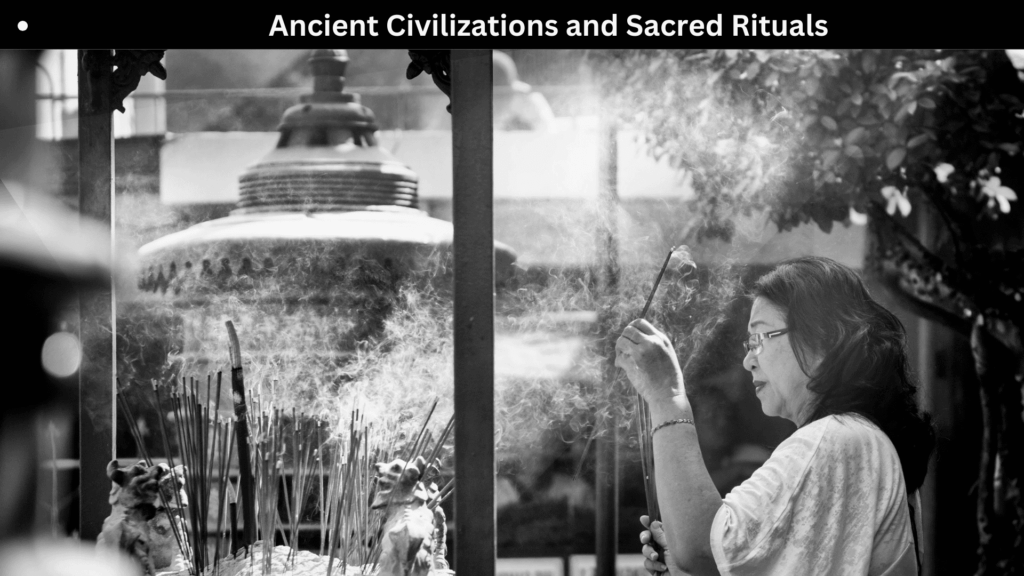
Incense played a powerful role in shaping religious traditions worldwide.
Incense in Egyptian Temple Offerings
In ancient Egypt, priests burned kyphi—a sacred blend of herbs and resins—at sunrise and sunset. They believed the smoke pleased the gods and purified temple grounds.
Vedic and Hindu Fire Ceremonies
In Hindu tradition, agarbatti (incense sticks) are offered during daily prayers. During yajna rituals, offerings are placed in sacred fire while incense smoke rises alongside chants. This practice symbolizes devotion and surrender.
Buddhist and Taoist Practices
In Buddhist temples, incense sticks are placed before statues of the Buddha as a sign of respect and mindfulness. In Taoist rituals, the fragrance invites harmony and balance.
Symbolism of Smoke Rising to the Heavens
The most powerful image connected to incense is rising smoke.
Smoke as a Bridge Between Realms
When smoke curls upward, it symbolizes communication with higher realms. It represents prayers traveling from the earthly world to the divine.
In Bible, incense is described as representing the prayers of believers ascending to heaven. This poetic image captures the heart of incense symbolism.
Transformation and Letting Go
Burning incense teaches surrender. The solid stick slowly disappears, leaving only fragrance behind. Spiritually, this reminds us to release attachments and focus on inner growth.
Spiritual Meaning of Incense in Major Religions
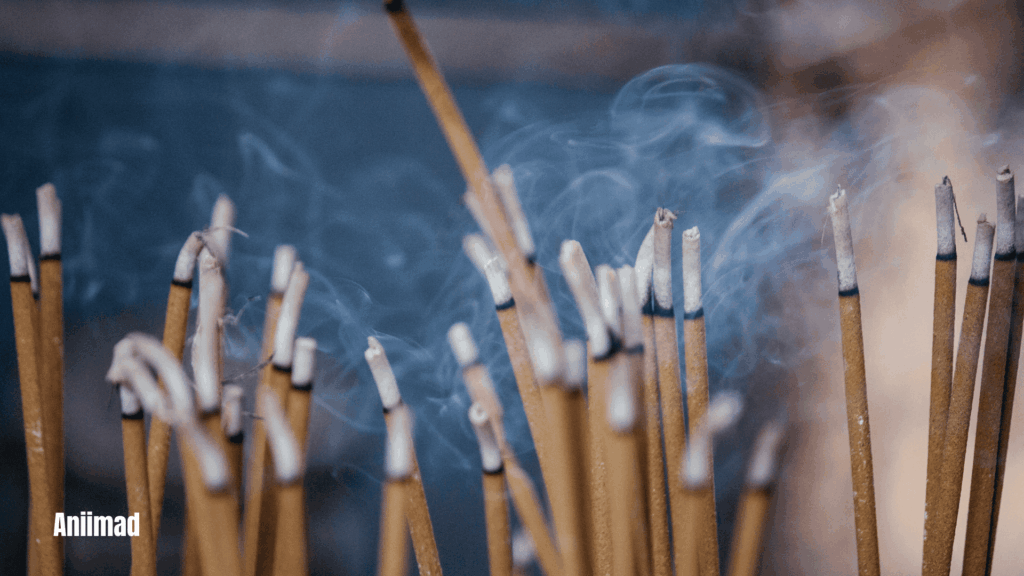
Different faiths embrace incense in meaningful ways.
Frankincense and Myrrh in Christianity
In Christian tradition, frankincense symbolizes holiness. It was one of the gifts presented to Jesus in the Gospel of Matthew. Today, incense is still used during Mass in many churches, especially within the Catholic Church.
Incense in Hindu and Buddhist Devotion
In temples across India and Nepal, incense is part of daily worship. Devotees light it before statues and images of deities as an act of gratitude and reverence.
Types of Incense and Their Spiritual Energies
Different fragrances carry different symbolic meanings.
Sandalwood for Peace and Grounding
Sandalwood promotes calmness and focus. It is often used during meditation to quiet the mind.
Frankincense for Protection and Blessings
Frankincense has long been associated with purification and divine presence.
Lavender and Floral Blends
Floral incense supports emotional healing and compassion.
The Role of Incense in Meditation and Mindfulness
Incense helps signal the mind that it’s time to slow down.
Enhancing Concentration and Awareness
Lighting incense before meditation creates ritual structure. The scent becomes a mental anchor for focus.
Creating a Sacred Space at Home
Even a small corner can become sacred. Add a candle, a mat, and incense—and voilà! You have a peaceful retreat.
Energy Cleansing and Aura Purification
Many spiritual traditions believe incense clears negative energy.
Smudging Traditions
Indigenous cultures burn sacred herbs for purification ceremonies.
Spiritual Protection and Blessings
The fragrance symbolizes renewal and fresh beginnings.
Psychological and Emotional Benefits
Modern science also recognizes benefits of aroma on mood. According to studies shared by the National Institutes of Health, certain natural aromas can promote relaxation.
Calming Anxiety and Stress
Gentle scents can reduce tension and help regulate breathing.
Boosting Mood and Positivity
Fragrance influences memory and emotion, creating uplifting experiences.
How to Use Incense in Daily Spiritual Practice
Practical steps:
- Choose a natural incense.
- Set a clear intention.
- Light it safely.
- Focus on breath and gratitude.
Choosing the Right Incense
Match fragrance with purpose—lavender for calm, sandalwood for grounding.
Setting Intentions During Burning
Whisper a prayer or affirmation as smoke rises.
Common Misconceptions About Incense
Is Incense Only Religious?
No. Many people use it simply for relaxation and mindfulness.
Health and Safety Considerations
Always ensure proper ventilation and use high-quality products.
The Spiritual Meaning of Incense in Dreams
Dreaming of incense often symbolizes spiritual awakening.
Positive Signs and Blessings
Sweet fragrance may indicate peace and protection.
Warnings and Spiritual Messages
Harsh smoke could suggest emotional confusion needing clarity.
Modern Spirituality and Incense Revival
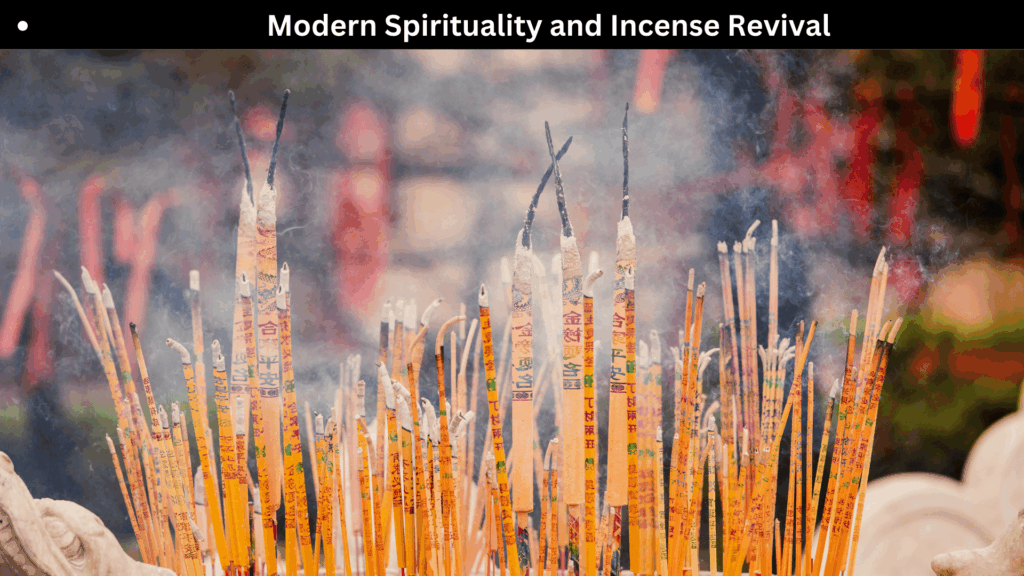
Today, incense is part of yoga studios and wellness spaces worldwide.
Incense in Yoga and Holistic Living
In cities from Colombo to California, people embrace incense as part of mindful living.
FAQs
What does incense symbolize spiritually?
It symbolizes purification, prayer, and connection with the divine.
Why does smoke represent prayer?
Because rising smoke visually mirrors prayers ascending heavenward.
Can incense cleanse negative energy?
Many traditions believe it clears stagnant or harmful energy.
Which incense is best for meditation?
Sandalwood and frankincense are popular choices.
Is burning incense safe?
Yes, with proper ventilation and natural ingredients.
Does incense have psychological benefits?
Yes, calming scents can reduce stress and improve mood.
Conclusion
The Spiritual Meaning of Incense reminds us that small rituals carry great power. A simple stick of incense can transform a room, calm the mind, and uplift the soul. Its rising smoke speaks a silent language of hope, faith, and renewal.