Spiritual Meaning of Hope: A Powerful Guide to Light, Healing, and Renewal (7 Insights)
Spiritual Meaning of Hope explained through timeless wisdom, emotional strength, and inner renewal—discover how hope transforms life, faith, and purpose.
The Spiritual Meaning of Hope reaches far beyond simple positivity or blind optimism. Hope is a quiet yet powerful spiritual force that sustains the soul during uncertainty, pain, and transformation. Across cultures and belief systems, hope is seen as a sacred inner light—one that refuses to be extinguished even in the darkest moments.
Spiritually, hope represents trust in life itself. It is the belief that meaning exists beyond present circumstances and that unseen forces are working toward growth and balance. Hope is not loud or demanding. Instead, it gently whispers, “This moment is not the end.” That belief alone can change how a person thinks, feels, and acts.
From a spiritual standpoint, hope connects the human heart to higher wisdom. It aligns us with faith, patience, and resilience. When everything feels uncertain, hope reminds us that struggle often precedes growth. In this way, hope becomes both a comfort and a guide, helping individuals move forward even when the path is unclear.
Understanding Hope in a Spiritual Context
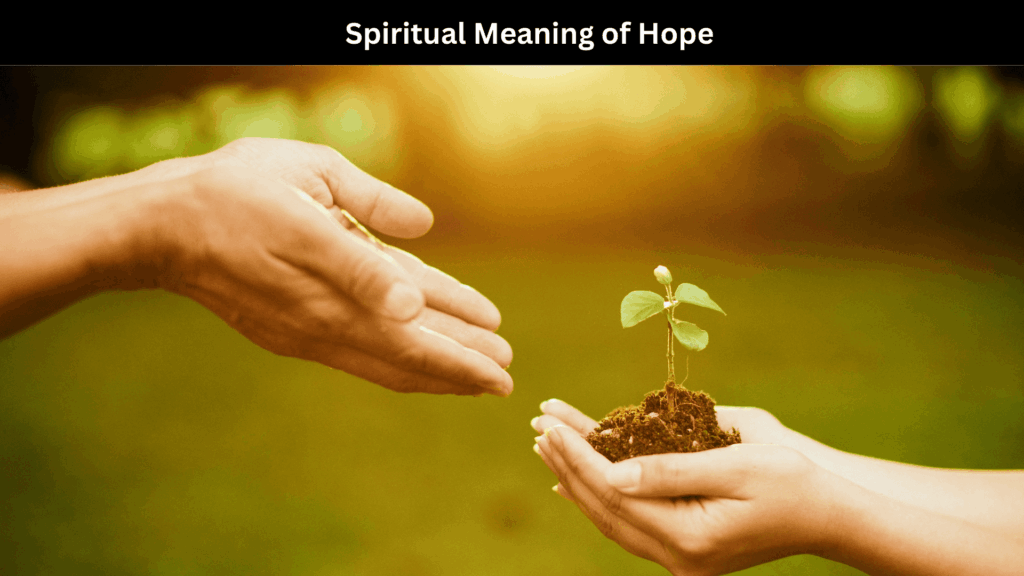
Hope, in spiritual terms, is an inner assurance rooted in trust rather than evidence. It is not dependent on outcomes but on belief in purpose. While optimism looks for positive results, spiritual hope rests in acceptance and faith.
Definition of Hope Beyond Optimism
Optimism says, “Things will work out.” Spiritual hope says, “Whatever happens will lead me where I need to be.” This distinction is crucial. Hope does not deny hardship; it acknowledges it while believing in deeper meaning.
Hope vs Wishful Thinking in Spiritual Growth
Wishful thinking is passive and expectation-based. Hope, however, is active and grounding. It encourages effort, patience, and trust in divine timing. Spiritually mature hope allows a person to act with courage while surrendering control.
Historical and Religious Perspectives on Hope
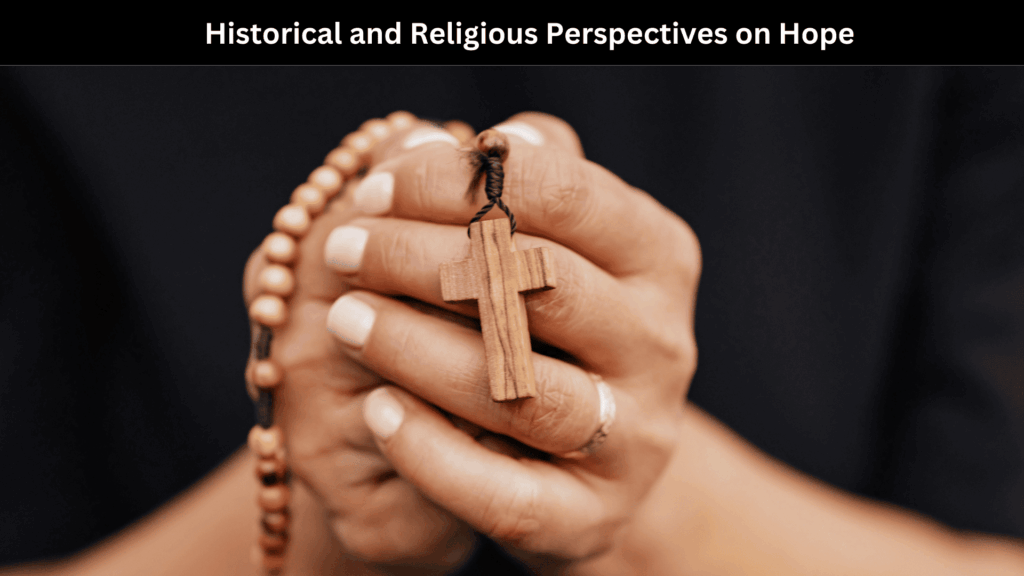
Throughout history, hope has been honored as a sacred virtue.
Hope in Ancient Spiritual Traditions
Ancient civilizations viewed hope as a divine gift. Greek philosophy described hope as the last blessing remaining in Pandora’s box—a symbol that even when all else is lost, hope endures.
Hope in Christianity, Buddhism, Hinduism, and Islam
- Christianity teaches hope as faith in God’s promises.
- Buddhism connects hope with liberation from suffering through awareness.
- Hinduism links hope to karma and rebirth.
- Islam emphasizes hope in divine mercy and guidance.
Across traditions, hope acts as a bridge between human limitation and divine possibility.
The Emotional and Psychological Power of Hope
Hope has measurable effects on emotional well-being.
How Hope Heals the Mind and Soul
Spiritually grounded hope reduces fear and despair. It helps individuals reframe challenges as temporary and meaningful. Studies in psychology confirm that hopeful individuals experience greater resilience and emotional balance (see research summarized by the American Psychological Association).
Faith, Resilience, and Inner Strength
Hope strengthens faith—not just religious faith, but faith in self and life. It empowers people to endure hardship without losing compassion or purpose.
Spiritual Meaning of Hope During Difficult Times

Hardship is where hope reveals its deepest meaning.
Hope as a Divine Anchor in Suffering
When circumstances feel unbearable, hope anchors the soul. It reminds individuals that suffering can refine wisdom and empathy.
Lessons Learned Through Pain and Waiting
Waiting periods teach patience, humility, and surrender. Spiritually, hope transforms waiting into preparation rather than punishment.
Symbols and Signs Associated With Hope
Hope often communicates through symbols.
Light, Seeds, Rainbows, and Dawn
- Light symbolizes guidance.
- Seeds represent potential.
- Rainbows signify renewal.
- Dawn reflects new beginnings.
Dreams and Synchronicities as Messages of Hope
Repeated signs or meaningful coincidences often appear when hope is needed most, offering reassurance from the universe.
Hope and Personal Transformation
Hope changes how individuals see themselves and their future.
Letting Go, Trusting the Universe, and Renewal
Hope teaches release of control. Trusting the universe allows renewal to occur naturally.
Hope as a Catalyst for Spiritual Awakening
Many spiritual awakenings begin during moments of despair—when hope becomes the only remaining light.
How to Cultivate Hope Spiritually
Hope can be nurtured intentionally.
Daily Practices, Prayer, and Mindfulness
Meditation, prayer, and reflection strengthen spiritual hope by quieting fear-based thoughts.
Gratitude, Service, and Positive Intention
Acts of gratitude and service shift focus from lack to abundance, reinforcing hope’s presence.
Hope, Karma, and Divine Timing
Hope works hand in hand with patience.
Why Hope Requires Patience and Trust
Spiritual growth unfolds in divine timing, not human schedules.
Alignment With Higher Purpose
Hope aligns actions with higher purpose, even when outcomes remain unseen.
Common Misunderstandings About Hope
Hope is often misunderstood.
False Hope vs True Spiritual Hope
False hope clings to expectations. True hope accepts uncertainty while trusting growth.
Ego-Based Expectations
When hope is driven by ego, disappointment follows. Spiritual hope is humble and flexible.
Hope as a Universal Spiritual Language
Hope transcends belief systems.
Collective Hope and Global Healing
Shared hope inspires compassion and unity during global challenges.
Hope’s Role in Compassion and Unity
Hope encourages empathy, reminding humanity of shared struggles and shared potential.
FAQs
Is hope a spiritual virtue?
Yes, hope is widely recognized as a spiritual virtue that sustains faith and resilience.
Can hope exist without faith?
Hope can exist as trust in life itself, even without formal religious belief.
Why is hope important during hardship?
Hope provides emotional strength and spiritual perspective during challenges.
Is hope passive or active?
True hope is active—it encourages effort paired with surrender.
How can I strengthen spiritual hope?
Through gratitude, prayer, mindfulness, and service.
Does hope influence destiny?
Hope shapes mindset and choices, which influence life’s direction.
Conclusion
The Spiritual Meaning of Hope reveals a timeless truth: hope is not about certainty—it is about trust. It is the quiet confidence that life holds meaning beyond the present moment. When embraced fully, hope becomes a lifelong companion, guiding the soul through darkness, growth, and renewal.