Spiritual Meaning of Gratitude: 9 Powerful Truths That Transform the Soul
Spiritual Meaning of Gratitude explained through powerful insights that reveal how thankfulness transforms the soul, heals the heart, and deepens spiritual awareness.
Understanding Gratitude Beyond “Thank You”
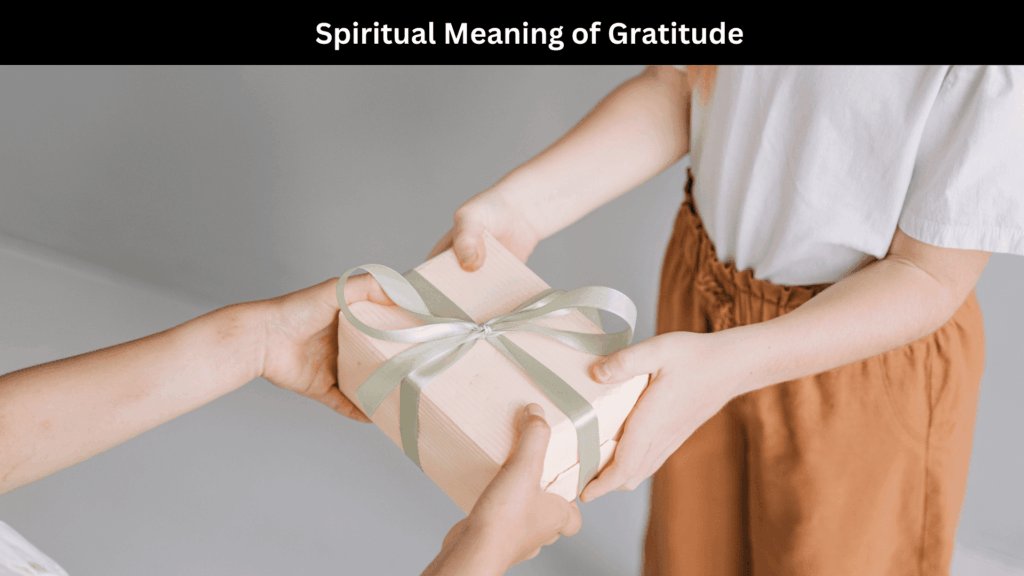
Gratitude is often reduced to polite words or social manners. We say “thank you” out of habit, without much thought. Yet, from a spiritual point of view, gratitude is far deeper and far more powerful. It is not just something we express—it is something we become. The Spiritual Meaning of Gratitude reaches beyond surface-level appreciation and enters the realm of awareness, humility, and connection with life itself.
Spiritually, gratitude is the conscious recognition that life is a gift. It teaches us to notice what already exists instead of obsessing over what is missing. When gratitude becomes a way of seeing the world, it reshapes how we experience joy, pain, success, and even loss. In many spiritual traditions, gratitude is considered a doorway to wisdom because it softens the heart and quiets the ego.
Unlike fleeting happiness, gratitude is stable. It does not depend on perfect circumstances. Even in difficult moments, gratitude allows the soul to say, “There is meaning here.” This perspective gently shifts us from resistance to acceptance, from fear to trust.
Gratitude as a Spiritual State of Awareness
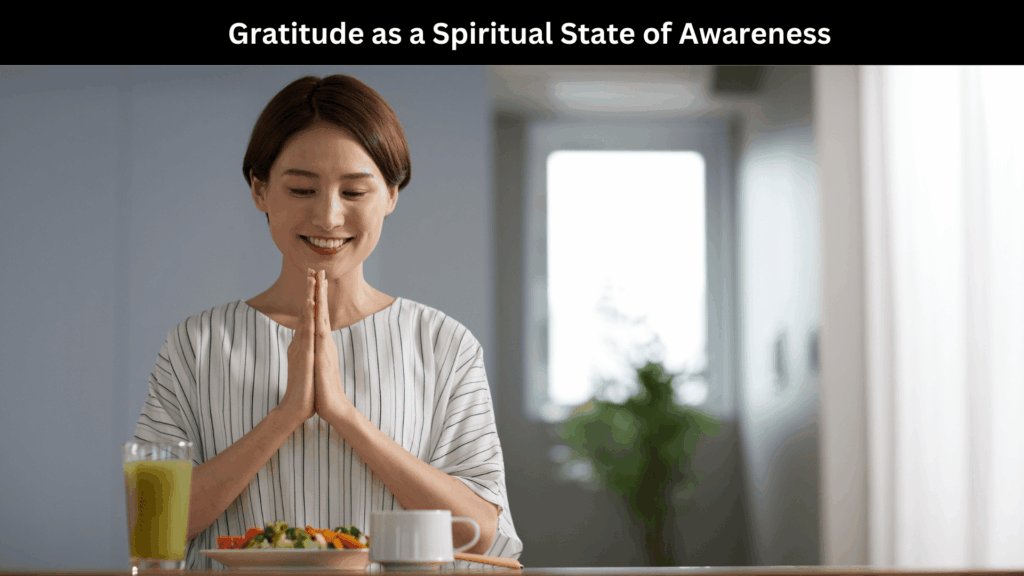
Gratitude is not merely an emotion—it is a state of spiritual awareness. When practiced deeply, it trains the mind to recognize the sacred in everyday life. A breath, a sunrise, a kind word, or even a hard lesson becomes something to honor rather than ignore.
Spiritually awakened individuals often describe gratitude as a form of presence. When we are grateful, we are fully here. We are no longer trapped in regrets about the past or worries about the future. Gratitude anchors the soul in the present moment, where true spiritual growth happens.
This awareness also changes how we interpret life events. Instead of asking, “Why is this happening to me?” gratitude encourages the question, “What is this teaching me?” That shift alone can transform suffering into wisdom.
Difference Between Emotional Gratitude and Spiritual Gratitude
Emotional gratitude is reactive. We feel thankful when something good happens—receiving help, achieving success, or gaining comfort. Spiritual gratitude, however, is proactive. It exists even when outcomes are uncertain.
Spiritual gratitude does not deny pain. Instead, it recognizes pain as part of the human journey and seeks meaning within it. This deeper form of gratitude strengthens faith, patience, and emotional resilience. It teaches the soul to trust life rather than fight it.
Historical and Sacred Roots of Gratitude
Gratitude has always been central to spiritual teachings across cultures. Ancient civilizations understood that appreciation was essential for harmony between humans, nature, and the divine.
Gratitude in Ancient Wisdom Traditions

Eastern Spiritual Perspectives
In Buddhism, gratitude is closely tied to mindfulness and compassion. Being thankful for each moment is seen as a way to reduce suffering caused by attachment and desire. Hindu philosophy emphasizes gratitude toward the universe for sustaining life through balance and order.
Taoism views gratitude as living in alignment with the natural flow of life. When people stop resisting reality and accept it with appreciation, inner peace naturally follows.
Western Religious Teachings
In Christianity, gratitude is a form of worship. Giving thanks is seen as recognizing divine grace rather than personal achievement. Judaism incorporates gratitude into daily prayers, reminding believers to acknowledge blessings from the moment they wake up. Islamic teachings emphasize gratitude as a sign of wisdom and faith, teaching that thankfulness leads to spiritual abundance.
Across traditions, gratitude is consistently linked to humility and devotion.
Gratitude and the Soul’s Inner Alignment
The Spiritual Meaning of Gratitude is deeply connected to inner alignment. When thoughts, emotions, and actions align with appreciation, the soul feels balanced. Gratitude removes inner conflict by helping us accept reality without bitterness.
How Gratitude Raises Spiritual Consciousness
Gratitude elevates consciousness by shifting focus from lack to abundance. When the mind stops obsessing over what it wants, awareness expands. This expanded awareness creates space for compassion, patience, and insight.
Grateful people tend to feel more connected—to others, to nature, and to something greater than themselves. This sense of connection is often described as spiritual awakening.
Gratitude as a Path to Inner Peace
Inner peace is not the absence of problems; it is the presence of acceptance. Gratitude gently teaches acceptance without surrendering hope. It allows us to rest in the present while trusting the future.
The Spiritual Meaning of Gratitude in Daily Life
Gratitude is not limited to prayer or meditation. It is meant to be lived. Every interaction, task, and challenge becomes a spiritual opportunity when approached with appreciation.
Gratitude as a Daily Spiritual Practice
Simple acts—like pausing before meals, reflecting before sleep, or acknowledging small victories—turn ordinary routines into sacred rituals. Over time, these practices rewire the mind toward positivity and trust.
Mindful Living Through Appreciation
Mindful gratitude slows life down. It encourages intentional living instead of constant rushing. When gratitude guides daily actions, stress naturally decreases.
Gratitude and the Law of Divine Flow
Many spiritual philosophies teach that gratitude supports the natural flow of energy. Appreciation keeps the heart open, allowing blessings to move freely.
Energy Exchange and Spiritual Abundance
Gratitude signals openness rather than resistance. This openness attracts emotional balance, supportive relationships, and inner fulfillment—not necessarily material wealth, but meaningful abundance.
Gratitude as a Magnet for Blessings
When gratitude becomes habitual, life feels lighter. People often report feeling guided, supported, and protected when they live with sincere appreciation.
Gratitude, Humility, and Ego Release
Gratitude softens the ego. It reminds us that we are not alone, self-made, or separate from life.
Letting Go of Entitlement
Spiritual growth requires releasing entitlement. Gratitude replaces “I deserve” with “I appreciate,” which brings peace and emotional maturity.
Spiritual Growth Through Humble Acceptance
Humility opens the door to wisdom. Grateful souls are often the most spiritually grounded.
Healing Power of Gratitude on Mind and Spirit
Gratitude has profound healing effects. Spiritually, it soothes emotional wounds by reframing experiences with compassion.
Emotional Healing Through Thankfulness
Thankfulness reduces resentment and regret. It allows forgiveness to emerge naturally.
Gratitude as Spiritual Medicine
Many spiritual teachers describe gratitude as medicine for the soul—gentle, effective, and transformative.
Gratitude in Times of Suffering and Loss
Perhaps the deepest expression of gratitude appears during hardship. It is here that gratitude becomes courage.
Finding Meaning Through Pain
Gratitude does not justify suffering but helps us grow through it. Meaning transforms pain into strength.
Gratitude as a Tool for Spiritual Resilience
Resilient souls are often grateful souls. They learn, adapt, and continue with grace.
Gratitude, Compassion, and Human Connection
Gratitude strengthens relationships by fostering respect and understanding.
Strengthening Relationships Through Appreciation
Appreciation deepens trust and emotional safety.
Gratitude as a Bridge Between Souls
When gratitude flows freely, connections become more genuine and healing.
Practical Ways to Cultivate Spiritual Gratitude

- Reflect daily on three meaningful moments
- Express appreciation openly
- Practice mindful breathing with intention
- Serve others with kindness
Gratitude Journaling and Reflection
Writing gratitude clarifies emotions and strengthens spiritual awareness.
FAQs
Is gratitude a spiritual practice?
Yes, many traditions consider gratitude a core spiritual discipline.
Can gratitude exist during pain?
Yes, spiritual gratitude focuses on meaning, not comfort.
Does gratitude change destiny?
It changes perception, which often changes outcomes.
Is gratitude linked to happiness?
Yes, gratitude supports lasting emotional well-being.
Can gratitude improve relationships?
Absolutely, it builds trust and empathy.
How long does it take to feel spiritual benefits?
Many people notice shifts within weeks of consistent practice.
Conclusion
The Spiritual Meaning of Gratitude is ultimately about remembering what truly matters. Gratitude aligns the soul with peace, wisdom, and compassion. It teaches us that life does not need to be perfect to be meaningful. When gratitude becomes a way of life, the soul rests—not because everything is easy, but because everything has purpose.