Spiritual Meaning of Fasting: 7 Powerful Truths That Transform the Soul
Spiritual Meaning of Fasting explained through powerful truths, ancient wisdom, and modern insights to help you grow spiritually, mentally, and emotionally.
The Spiritual Meaning of Fasting goes far beyond skipping meals. It is not simply about hunger or physical restraint. Instead, it is a sacred act of discipline, reflection, and renewal that has been practiced for thousands of years across cultures and religions. When done with the right intention, fasting becomes a powerful spiritual tool that shapes character, strengthens faith, and clears the mind.
Many people today see fasting only as a health trend. However, spiritually speaking, fasting is about surrender. It is about choosing to step away from comfort so you can draw closer to truth. It teaches patience, humility, gratitude, and self-control. In this guide, we will explore seven powerful truths about fasting that can transform your inner life.
Introduction to the Spiritual Meaning of Fasting
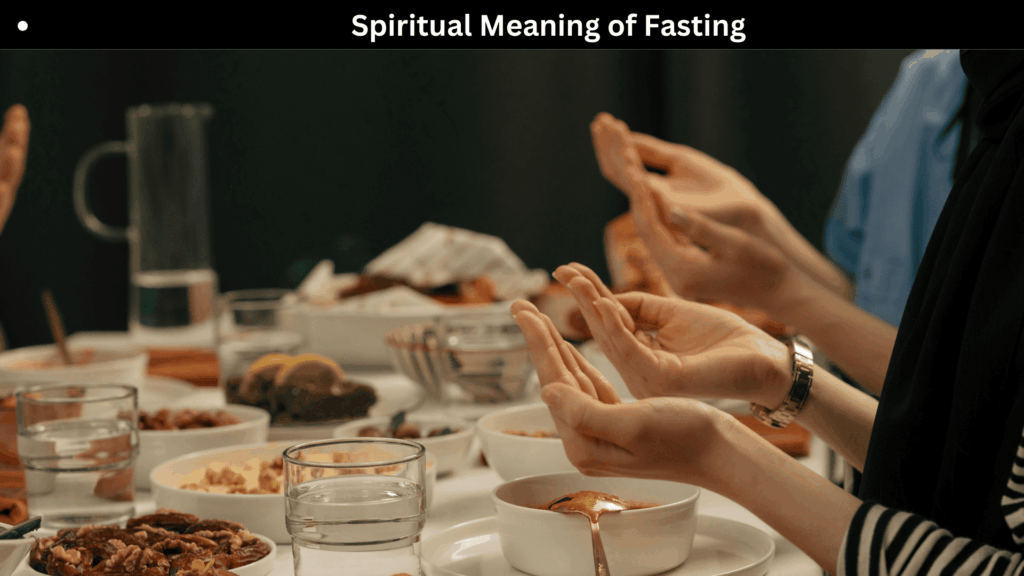
Fasting is the voluntary act of abstaining from food, drink, or certain pleasures for a specific period. But spiritually, it carries deeper significance. It is an outward action that reflects an inward desire for growth and purification.
What Is Fasting in a Spiritual Context?
In a spiritual sense, fasting is an act of self-denial for a higher purpose. It is not about punishment. It is about focus. When you fast, you intentionally remove distractions. Food, entertainment, or even speech may be limited. This creates space for prayer, meditation, and reflection.
Spiritually, fasting represents:
- Self-discipline
- Inner cleansing
- Dependence on a higher power
- Renewal of faith
- Detachment from material comforts
When hunger appears, it becomes a reminder to pray. When cravings rise, they remind you of your spiritual goal. In this way, fasting transforms ordinary discomfort into sacred awareness.
Origins of Sacred Fasting Practices
Fasting has ancient roots. Civilizations thousands of years ago practiced it for purification and divine guidance. In sacred scriptures like the Bible and the Quran, fasting is described as a way to humble oneself before God.
For example:
- In the Bible, figures like Moses and Jesus Christ fasted for spiritual preparation.
- In Islam, fasting during Ramadan is a pillar of faith.
- In Buddhism, Gautama Buddha practiced deep ascetic discipline before enlightenment.
These traditions show that fasting is not random. It is sacred, intentional, and meaningful.
Historical and Cultural Perspectives on Fasting
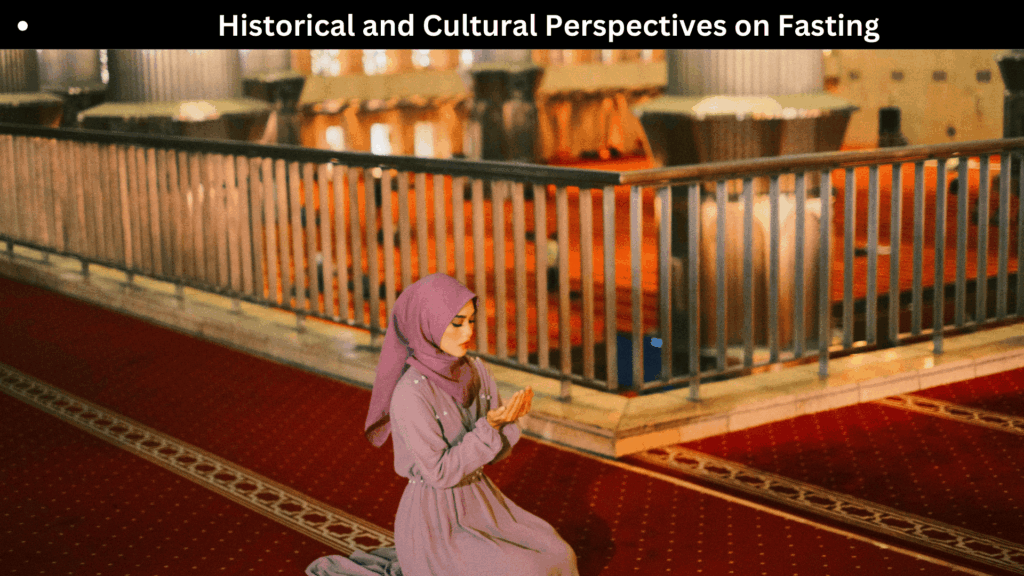
Fasting appears in nearly every major religion. While methods differ, the spiritual purpose remains similar: purification and closeness to the divine.
Fasting in Christianity
In Christianity, fasting is often practiced during Lent. This 40-day period represents reflection, repentance, and preparation for Easter.
Biblical fasting is closely connected to prayer. It is not about showing others how spiritual you are. Instead, it is about humility. Jesus taught that fasting should be private and sincere.
Fasting in Islam
Muslims fast from dawn until sunset during Ramadan. This practice teaches patience, gratitude, and compassion for the poor. It is not just about hunger; it is about controlling anger, gossip, and harmful actions.
The Quran explains fasting as a way to develop self-restraint and righteousness.
Fasting in Hinduism and Buddhism
In Hinduism, fasting is linked to karma cleansing and devotion. Many observe fasts during sacred days to honor deities.
In Buddhism, fasting supports mindfulness and detachment from desire. However, extreme fasting is discouraged. Balance is key.
Across cultures, the message is clear: fasting refines the spirit.
The Psychological and Emotional Benefits of Fasting
Fasting strengthens more than the body. It trains the mind.
Self-Control and Inner Strength
When you say no to food or comfort, you build willpower. That discipline spreads into other areas of life. You may find it easier to control anger, negative thoughts, or bad habits.
Fasting builds resilience. It teaches you that discomfort is temporary but growth is lasting.
Emotional Healing Through Abstinence
Many people discover that fasting brings hidden emotions to the surface. Without distractions, you begin to reflect deeply. This can lead to forgiveness, clarity, and healing.
Silence during fasting helps you listen to your inner voice. Sometimes, that’s exactly what we need.
Physical Fasting vs. Spiritual Fasting

Not all fasting is spiritual. Today, many people practice intermittent fasting for health benefits like weight management and improved metabolism.
While physical fasting focuses on the body, spiritual fasting focuses on intention.
| Physical Fasting | Spiritual Fasting |
|---|---|
| Health benefits | Spiritual growth |
| Diet plans | Prayer and meditation |
| Weight loss goals | Faith strengthening |
| Physical discipline | Inner purification |
Both can overlap, but spiritual fasting always includes a sacred purpose.
For scientific perspectives on fasting and health, you can explore research from reputable institutions like the Harvard T.H. Chan School of Public Health.
Symbolism Behind Fasting
Fasting symbolizes surrender. When you deny physical needs, you declare that spiritual needs matter more.
It represents:
- Sacrifice
- Humility
- Dependence on divine strength
- Letting go of worldly attachment
In simple terms, fasting says, “My spirit is more important than my cravings.”
Spiritual Meaning of Fasting in Modern Life
Today, fasting is not limited to food. Many people practice digital fasting by avoiding social media. Others fast from negative speech or unhealthy habits.
Modern fasting may include:
- Social media detox
- Silence retreats
- Simplified living
- Gratitude practices
Even in a busy world, fasting creates sacred space.
FAQs
Is fasting required for spiritual growth?
No, but it is a powerful tool. It supports discipline and reflection.
How long should spiritual fasting last?
It depends on personal belief and health. Some fast for a day; others follow religious traditions.
Can I fast from something other than food?
Yes. You can fast from social media, entertainment, or harmful habits.
Does fasting bring enlightenment automatically?
No. Intention and sincerity matter more than duration.
Is fasting safe for everyone?
Not always. Pregnant women, children, and those with medical conditions should consult a doctor.
What should I focus on during fasting?
Prayer, meditation, gratitude, and self-reflection.
Conclusion
The Spiritual Meaning of Fasting teaches us that growth often comes through discipline. It reminds us that we are more than our appetites. By choosing temporary discomfort, we gain lasting strength.