Spiritual Meaning of Faith: 9 Powerful Truths That Transform Your Inner Strength
Spiritual Meaning of Faith explained through timeless wisdom, spiritual insights, and practical life lessons that reveal how faith strengthens the soul and transforms everyday living.
Introduction to Faith as a Spiritual Principle
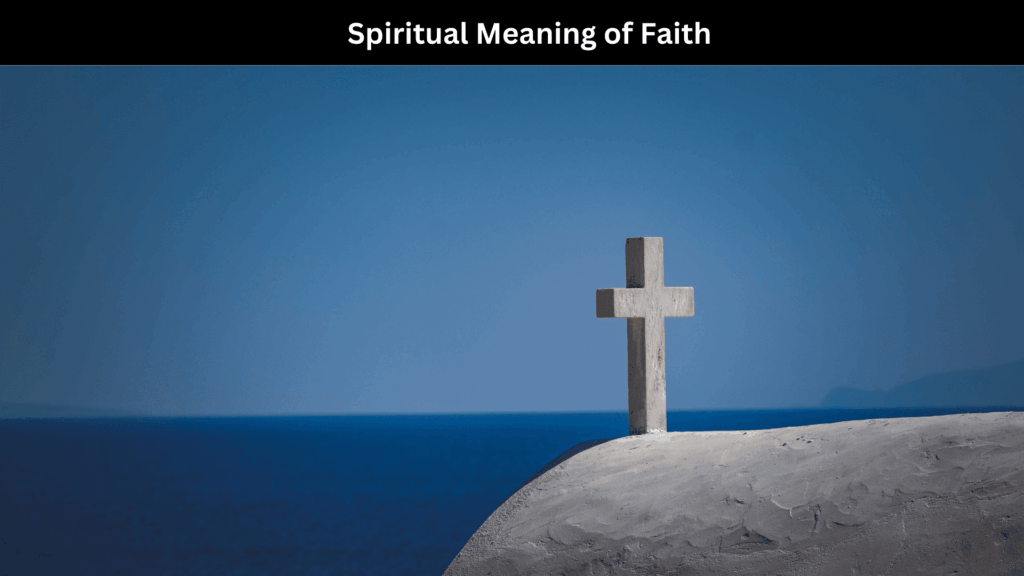
Faith has always held a central place in the human spiritual journey. Long before modern philosophies and scientific explanations, people relied on faith to understand life, purpose, and the unseen forces shaping their existence. At its core, faith is not about denying reality or logic. Instead, it is about trusting life itself, even when answers are unclear.
The Spiritual Meaning of Faith goes far deeper than religious belief systems. Faith represents an inner knowing that life has meaning, that challenges serve growth, and that unseen support exists beyond physical perception. When people live with faith, they walk forward with confidence even when the path feels uncertain.
Faith does not remove hardship. Rather, it provides emotional stability and spiritual courage during difficult times. It reminds the soul that setbacks are not endings but transitions. In daily life, faith allows individuals to act with hope, patience, and trust rather than fear and doubt.
Spiritually, faith is a bridge between the human experience and higher awareness. It helps people surrender control, accept mystery, and develop resilience. Without faith, uncertainty can feel overwhelming. With faith, uncertainty becomes a space for growth.
Defining Faith Beyond Religion
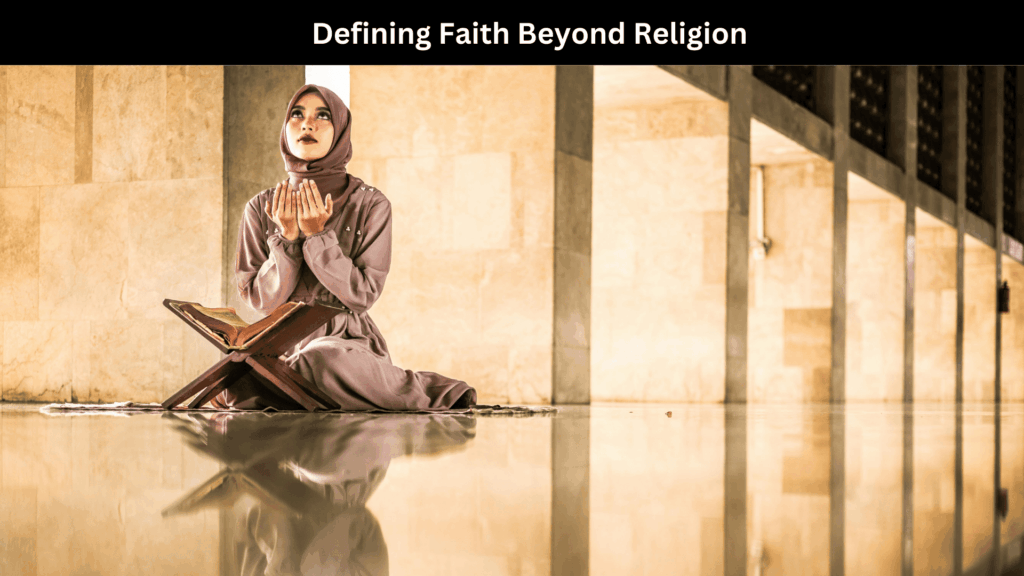
Faith is often misunderstood as a strictly religious concept. While religions do emphasize faith, spirituality views it more broadly. Faith exists wherever there is trust in life, confidence in inner wisdom, and openness to higher guidance.
Faith is the ability to move forward without complete certainty. It is choosing trust over fear. In spiritual terms, faith is not passive belief but active alignment with truth, purpose, and inner peace.
Many spiritual traditions describe faith as a state of being rather than an idea. It lives in actions, choices, and attitudes. When a person acts with integrity despite uncertainty, that is faith in motion.
Faith as Trust in the Unseen
Spiritually, faith means trusting forces that cannot be measured or controlled. This includes trusting intuition, divine timing, and the natural flow of life. Faith accepts that not everything needs immediate explanation.
This trust allows people to remain grounded during chaos. Instead of resisting uncertainty, faith teaches acceptance. It says, “I may not see the outcome, but I trust the process.”
Historical and Spiritual Origins of Faith
Throughout history, faith has guided civilizations, cultures, and individuals. Ancient societies relied on faith to explain natural events, life cycles, and cosmic order. Over time, faith evolved into spiritual philosophies that emphasized inner growth rather than external rituals.
Faith in Ancient Wisdom Traditions
In Eastern traditions, faith was closely tied to harmony and balance. Philosophies such as Buddhism and Taoism viewed faith as trust in the path rather than devotion to a single deity. In Western traditions, faith emphasized divine connection and moral living.
Sacred Texts and Oral Teachings
Sacred writings across cultures consistently highlight faith as essential for spiritual maturity. These teachings emphasize patience, surrender, and moral courage. Faith was seen as the foundation for wisdom and compassion.
Symbolism of Faith Across Cultures
Symbols like light, seeds, bridges, and open hands have represented faith throughout history. These images reflect trust, growth, and openness to transformation.
The Spiritual Meaning of Faith in Daily Life
In everyday living, faith acts as an emotional anchor. It influences how people respond to stress, uncertainty, and change. Faith does not guarantee comfort, but it provides perspective.
Faith as Inner Strength During Uncertainty
When life feels unpredictable, faith becomes a source of inner stability. It helps individuals remain calm and focused rather than reactive. Faith reminds people that present struggles are temporary.
Letting Go of Control and Fear
Spiritually, faith requires surrender. This does not mean giving up responsibility. Instead, it means releasing excessive control and trusting outcomes. Letting go creates space for growth and healing.
Faith and the Human Soul Connection
Faith connects the conscious mind with the deeper self. It allows individuals to align with purpose and inner truth. When faith is present, the soul feels supported even during emotional pain.
Alignment With Higher Consciousness
Faith aligns personal will with universal wisdom. This alignment creates clarity, peace, and direction. It allows individuals to act from intuition rather than fear.
Faith and Spiritual Awakening
Spiritual awakening often begins with faith. Trusting inner guidance opens awareness to deeper truths. Faith encourages exploration beyond material reality.
Growth Through Surrender
Surrendering to faith allows transformation. It teaches humility, patience, and trust in divine timing.
Faith Versus Belief: Key Spiritual Differences
Belief is intellectual acceptance, while faith is experiential trust. Beliefs can change with new information. Faith remains steady through experience.
Belief as Thought, Faith as Experience
Faith is lived rather than debated. It is felt in moments of calm during chaos and courage during fear.
Embodied Spiritual Trust
True faith influences actions. It shapes behavior, decisions, and emotional responses.
The Role of Faith in Healing and Hope
Faith has long been associated with healing. Emotional and spiritual healing often begins when individuals believe recovery is possible.
Emotional, Mental, and Spiritual Healing
Faith reduces stress, builds resilience, and promotes emotional balance. Spiritually, it encourages forgiveness and acceptance.
Scientific and Spiritual Perspectives
Studies suggest that hope and trust positively influence mental well-being. Spiritual traditions have long recognized this truth.
Faith as a Guide During Life Challenges
Faith becomes most visible during hardship. Loss, failure, and uncertainty test spiritual trust.
Faith in Times of Loss and Change
During grief, faith offers comfort. It reassures the soul that pain is not meaningless.
Resilience Through Spiritual Confidence
Faith strengthens resilience by encouraging patience and hope.
Faith, Intuition, and Inner Wisdom

Faith deepens intuition. Trusting inner guidance strengthens decision-making.
Listening to the Inner Voice
Faith quiets external noise, allowing inner wisdom to emerge.
Faith as Spiritual Navigation
Like a compass, faith guides individuals through uncertainty.
Common Misconceptions About Faith
Faith is often misunderstood as denial of reality.
Faith Is Not Blind Optimism
True faith acknowledges difficulty while trusting growth.
Faith and Personal Responsibility
Faith encourages action, not passivity.
How to Strengthen Faith Spiritually
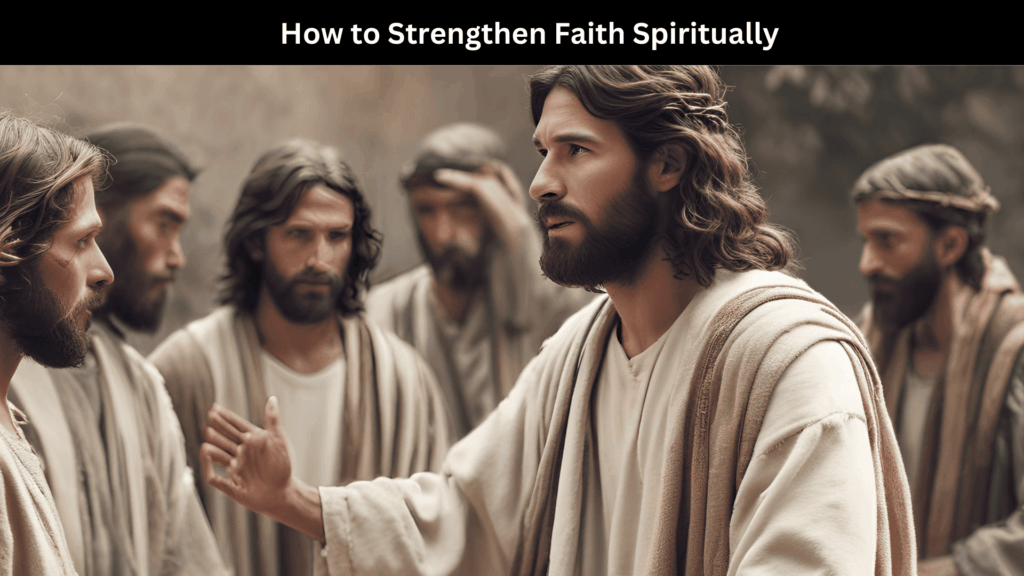
Faith grows through consistent spiritual practice.
Daily Practices That Nurture Faith
Gratitude, reflection, and mindful awareness build faith.
Meditation, Prayer, and Reflection
These practices deepen trust and spiritual clarity.
FAQs
What is the spiritual meaning of faith?
Faith spiritually represents trust in life, inner wisdom, and unseen guidance.
Is faith the same as belief?
No. Belief is mental, while faith is experiential and lived.
Can faith exist without religion?
Yes. Faith is a universal spiritual principle beyond religion.
How does faith help during hard times?
Faith provides emotional stability and hope.
Can faith be strengthened?
Yes. Daily spiritual practices nurture faith.
Does faith mean ignoring reality?
No. Faith acknowledges reality while trusting growth.
Conclusion
The Spiritual Meaning of Faith reveals a powerful truth: faith is not about certainty but trust. It is the quiet strength that carries individuals through uncertainty with grace. Living with faith means choosing hope, patience, and courage even when outcomes are unknown.