Spiritual Meaning of Citrine: 7 Powerful Truths That Transform Energy
Spiritual Meaning of Citrine explained through symbolism, healing energy, chakra alignment, and practical spiritual use.
Introduction to Citrine and Its Spiritual Significance
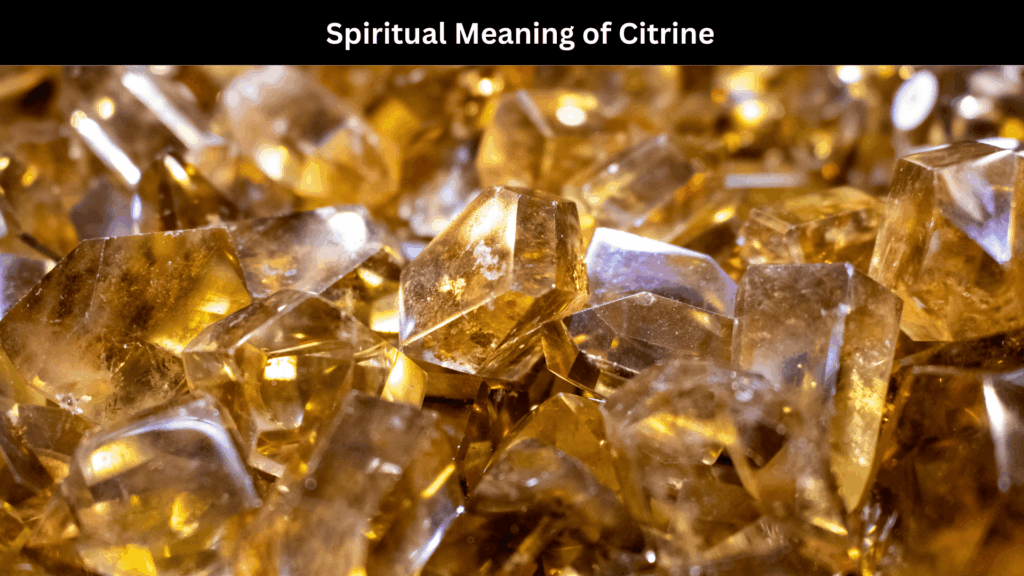
Citrine has long been admired for its warm, golden glow and uplifting presence. From the moment people encounter this radiant crystal, it tends to spark feelings of joy, confidence, and clarity. Many spiritual traditions believe that stones carry subtle vibrations formed over millions of years within the Earth. Citrine, often associated with sunlight and warmth, is thought to embody positive energy that supports emotional balance and mental strength.
Throughout history, citrine has been treasured not only for its beauty but also for its symbolic meaning. It has been called the “merchant’s stone” because of its connection with success and prosperity. However, its value goes far beyond material wealth. Spiritually, citrine is believed to encourage optimism, self-expression, and inner motivation. These qualities make it a popular choice for those seeking personal growth or emotional renewal.
What sets citrine apart from many other crystals is its reputation for not holding negative energy. In spiritual belief systems, it is considered a self-cleansing stone. This idea has led many practitioners to use it regularly without frequent energetic clearing. Whether placed in a home, worn as jewelry, or used during meditation, citrine is often seen as a steady source of encouragement and light.
Importantly, understanding citrine does not require blind belief. Many people approach it as a symbolic reminder rather than a mystical cure. The stone’s bright color alone can influence mood and mindset. Psychologists often acknowledge that symbols and colors play a role in emotional perception. In this sense, citrine’s spiritual significance works hand in hand with human psychology.
In this article, you will explore how citrine has been viewed across cultures, what it represents emotionally and spiritually, and how it is commonly used today. By the end, you will have a grounded, respectful understanding of how this crystal fits into spiritual practices without exaggeration or superstition.
Origins and Geological Formation of Citrine

Citrine is a variety of quartz, formed deep within the Earth under intense heat and pressure. Its yellow to golden-brown color comes from trace amounts of iron within the crystal structure. Over long periods, natural processes shape citrine into the translucent gemstone admired today. This slow formation is one reason many spiritual traditions associate citrine with patience, endurance, and steady growth.
Naturally occurring citrine is relatively rare. Much of the citrine available on the market is heat-treated amethyst or smoky quartz. From a spiritual point of view, some practitioners believe natural citrine carries a gentler, more stable energy. Others feel that intention matters more than origin. Either way, understanding the stone’s formation helps create a realistic and respectful relationship with it.
The Earth element plays an important role in citrine symbolism. Being born from rock and mineral layers, citrine is often associated with grounding energy. Yet, its bright color links it to warmth and light. This balance between earthiness and brightness is why citrine is thought to support practical action guided by positive intention.
Geological origins also remind users that citrine is not a magical object but a natural material shaped by time. This perspective supports ethical and mindful use. Appreciating where citrine comes from encourages patience and respect for natural processes rather than quick expectations of change.
In spiritual reflection, many people use citrine as a reminder that personal growth, like crystal formation, takes time. Progress happens gradually, shaped by experiences and effort. In this way, citrine becomes less of a tool and more of a symbol for steady personal development.
Citrine in Ancient Civilizations
Ancient cultures valued citrine for both its beauty and symbolic meaning. In ancient Egypt, golden stones were associated with the sun god Ra. Citrine’s bright appearance linked it to protection and vitality. Amulets made from yellow stones were believed to guard against negative influences and promote strength.
Greek and Roman societies used citrine as decorative gemstones and talismans. Roman soldiers reportedly wore citrine into battle, believing it encouraged courage and confidence. While historical records do not always confirm spiritual beliefs directly, the consistent use of citrine-like stones suggests a symbolic association with power and clarity.
In Eastern traditions, yellow stones were often linked to wisdom and balance. The color yellow has long represented knowledge and centered energy in many Asian philosophies. Citrine, by association, came to symbolize mental clarity and disciplined thought.
These historical uses show a shared human tendency to assign meaning to natural objects. Across cultures, citrine represented warmth, safety, and strength. While interpretations differed, the underlying theme remained positive.
Understanding this cultural background adds depth to modern spiritual practice. Rather than inventing new meanings, contemporary users continue a long tradition of symbolic reflection. This continuity strengthens the sense of trust and authenticity around citrine’s spiritual role.
Symbolic Meanings Associated With Citrine

Citrine is widely associated with positivity and motivation. Its bright color alone can influence emotional perception, reminding people of sunlight, warmth, and new beginnings. Symbolically, citrine represents clarity of thought and confidence in action.
One of the most common symbolic meanings is abundance. This does not only refer to money but also to emotional richness, creativity, and opportunity. Many people use citrine as a reminder to maintain an open and optimistic mindset when working toward goals.
Another key symbol linked to citrine is self-belief. It is often associated with inner strength and personal responsibility. Rather than depending on external validation, citrine symbolism encourages individuals to trust their abilities and decisions.
Citrine is also connected with joy and emotional balance. It symbolizes the release of unnecessary fear and self-doubt. In this sense, it acts as a mental anchor, reminding users to focus on constructive thoughts.
These symbolic meanings do not replace effort or discipline. Instead, they support them. Citrine serves as a visual and emotional cue that reinforces positive habits and attitudes already in practice.
Citrine as the Stone of Abundance and Prosperity
The association between citrine and prosperity has deep historical roots. Merchants once kept citrine in cash boxes, believing it supported wise financial decisions. Today, many people interpret this symbolically rather than literally.
Prosperity, in a spiritual sense, means feeling secure and capable. Citrine symbolism encourages proactive thinking and responsible planning. It reminds users to recognize opportunities and act with confidence rather than fear.
From a psychological perspective, symbols of abundance can influence mindset. When people associate an object with success, it can reinforce motivation and focus. Citrine, therefore, becomes a tool for mental reinforcement rather than superstition.
It is important to approach this symbolism ethically. Citrine does not guarantee wealth. Instead, it supports a mindset that values effort, learning, and patience. This balanced understanding aligns with trustworthy spiritual practice.
By viewing abundance as a broad concept, citrine’s meaning becomes more realistic and sustainable. It supports long-term growth rather than quick rewards.
Emotional and Mental Healing Properties

Emotionally, citrine is associated with optimism and resilience. Many people turn to it during periods of stress or self-doubt. The stone’s symbolic connection to light makes it a reminder that difficult emotions are temporary.
Citrine is often used as a focus object during reflection or meditation. Holding or observing the stone can encourage calm breathing and clearer thinking. This practice aligns with mindfulness techniques supported by modern psychology.
Mentally, citrine symbolizes clarity and organization. It is thought to support decision-making by reducing emotional overwhelm. While it does not replace professional mental health care, it can complement healthy coping strategies.
The emotional value of citrine lies in its ability to act as a personal symbol. When used consistently, it reinforces positive self-talk and emotional awareness.
This approach respects both spiritual tradition and scientific understanding, creating a balanced and trustworthy framework.
FAQs
Is citrine safe to use every day?
Yes, many people use it daily as a symbolic object or jewelry without issues.
Does citrine need regular cleansing?
Traditionally, it is believed to be self-cleansing, though occasional cleaning is fine.
Can citrine help with confidence?
Symbolically, it represents self-belief and motivation.
Is natural citrine better than treated citrine?
Spiritually, opinions differ. Intention matters most.
Can citrine be used with other crystals?
Yes, it is commonly paired with grounding stones.
Where should citrine be placed at home?
Often in workspaces or areas linked to creativity and focus.
Conclusion
Citrine’s value lies in its symbolism, history, and ability to inspire positive habits. Whether viewed spiritually or psychologically, it encourages clarity, optimism, and responsibility. By using citrine mindfully, individuals can integrate its meaning into daily life without unrealistic expectations.