Spiritual Meaning of Chanting: 7 Powerful and Transformative Insights for Inner Awakening
Discover the profound Spiritual Meaning of Chanting and explore 7 powerful insights that reveal how sacred sound can transform your mind, heart, and soul.
The Spiritual Meaning of Chanting goes far beyond repeating words. It is a sacred bridge between the human heart and divine consciousness. From ancient temples to modern meditation rooms, chanting has guided seekers toward peace, clarity, and awakening. When sound and intention come together, something remarkable happens — the mind quiets, the breath deepens, and the spirit begins to rise.
In this detailed guide, we will explore how chanting shapes spiritual growth, supports emotional healing, and connects us to something greater than ourselves. Let’s begin this uplifting journey.
Introduction to Chanting as a Sacred Practice
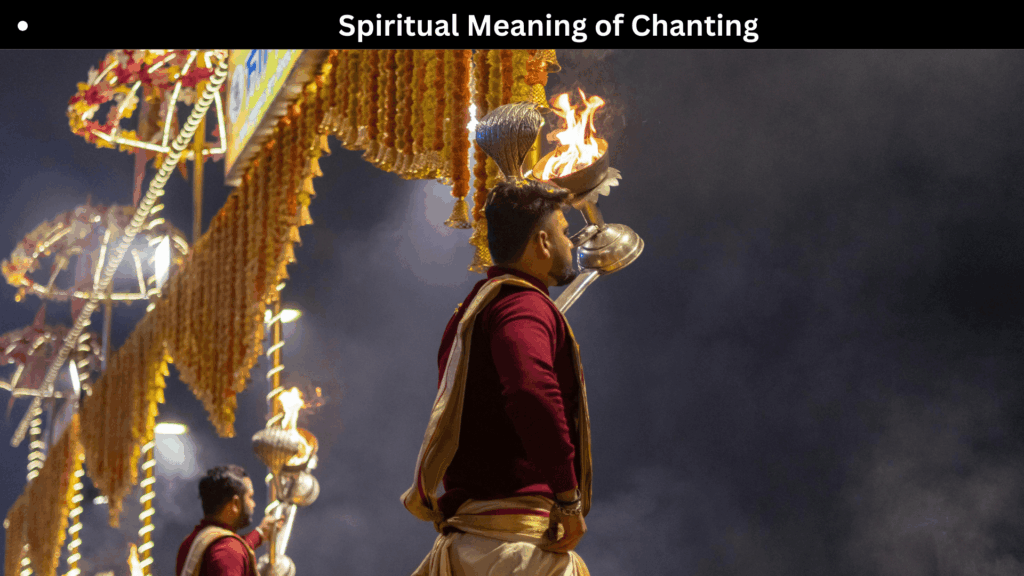
Chanting is the rhythmic repetition of sacred words, phrases, or sounds. These sounds may be mantras, hymns, or devotional verses. Unlike ordinary speech, chanting carries intention and vibration. It’s not just about what you say — it’s about how the sound moves through you.
Across cultures, chanting has served as a tool for prayer, meditation, and spiritual connection. Whether whispered softly or sung loudly, chanting aligns the body and mind.
Historical Roots of Sacred Chants Across Civilizations
Chanting isn’t new — it’s ancient. In Ancient India, Vedic priests recited hymns thousands of years ago. In Ancient Egypt, priests used sacred sounds in temple rituals. Indigenous tribes across continents used rhythmic vocal sounds to connect with nature and the spirit world.
These practices weren’t random. They were carefully preserved traditions, passed down through generations.
The Role of Mantras in Eastern Philosophy
In Hindu and Buddhist traditions, mantras hold deep spiritual meaning. The sacred sound “Om” is considered the vibration of the universe itself. According to teachings found in the Upanishads, sound is the origin of creation.
Similarly, Buddhist chanting, especially in Tibet, focuses on compassion and wisdom through repetitive prayer.
Gregorian Chants and Christian Devotional Songs
In Christian monasteries, particularly within the Catholic Church, monks developed Gregorian chants. These slow, melodic prayers filled cathedrals with echoing resonance. The goal? To lift the soul toward heaven.
The Science Behind Sound Vibration and Spiritual Energy
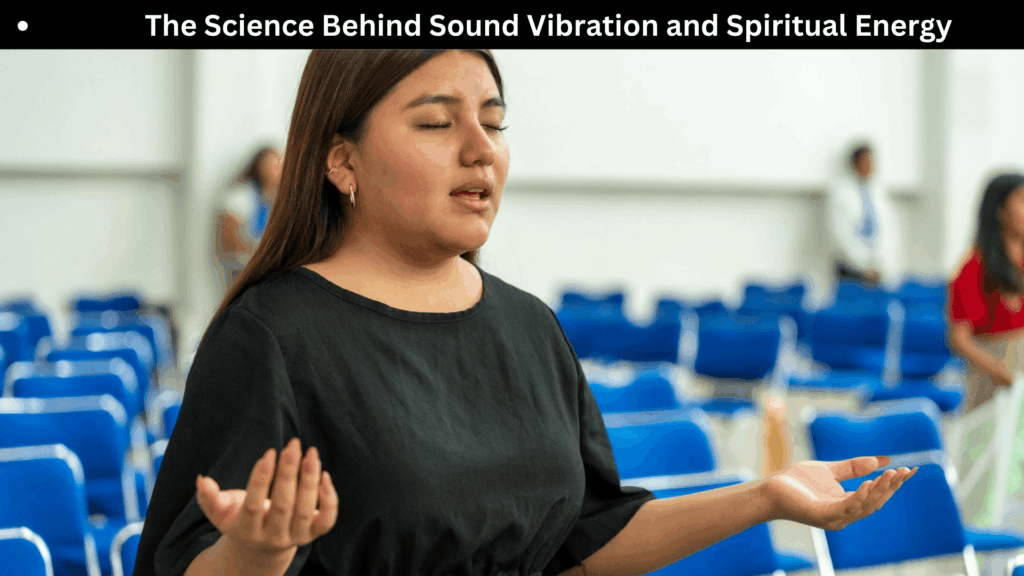
Now here’s something fascinating — modern science supports what mystics have known for centuries.
Sound travels in waves. These waves influence our nervous system. Studies show that repetitive chanting can activate the parasympathetic nervous system, helping us relax. According to research published by the National Institutes of Health, rhythmic vocalization can reduce stress and improve emotional balance.
How Sound Frequencies Affect the Brain and Nervous System
When you chant slowly and steadily, your brain begins producing alpha waves. These waves are linked to calm focus and creativity. That’s why after chanting, many people report feeling lighter and clearer.
Breath Control, Rhythm, and Mindfulness Connection
Chanting naturally slows breathing. This resembles pranayama — yogic breath control. As breath deepens, oxygen increases, and tension melts away.
Spiritual Meaning of Chanting in Different Religions
The Spiritual Meaning of Chanting varies slightly among religions, yet its core purpose remains connection.
Om: The Primordial Cosmic Sound
In Hinduism, “Om” symbolizes the universe’s original vibration. It represents creation, preservation, and transformation.
Islamic Dhikr and Remembrance of the Divine
In Islam, believers practice Dhikr — repeating names of God. This remembrance strengthens faith and humility.
Sikh Kirtan and Sacred Music
In Sikhism, devotional music known as Kirtan fills temples with heartfelt praise.
Emotional and Psychological Benefits of Chanting
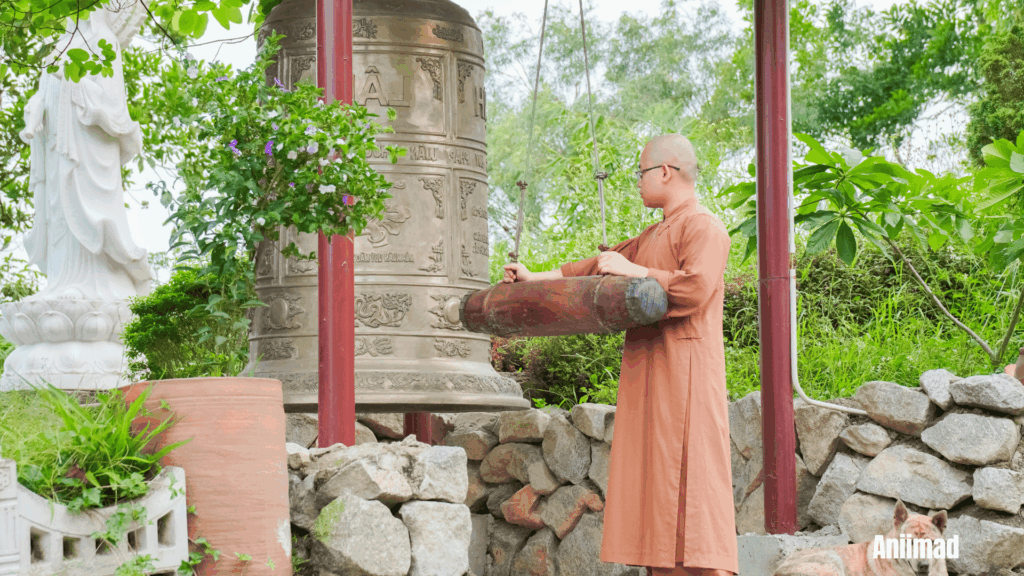
Chanting calms anxiety and reduces stress. It can:
- Lower heart rate
- Improve concentration
- Enhance emotional stability
- Promote gratitude
Chanting for Inner Peace and Mental Clarity
Have you ever felt overwhelmed? Chanting acts like a reset button. It pulls your focus away from worries and back to the present moment.
Community Chanting and Collective Consciousness
Group chanting creates unity. When voices blend, ego fades. People feel connected and supported.
The Transformative Power of Mantras and Affirmations
Mantras are sacred. Affirmations are personal. Both shape thinking patterns.
| Sacred Mantras | Positive Affirmations |
|---|---|
| Rooted in tradition | Personalized statements |
| Spiritual intention | Psychological focus |
| Repeated rhythmically | Repeated daily |
Spiritual Awakening Through Repetition and Devotion

Repetition trains the mind. Devotion opens the heart. Over time, chanting builds spiritual discipline.
How Consistency Deepens Spiritual Awareness
Daily practice strengthens awareness. Just 10 minutes a day can create profound inner change.
Practical Guide to Starting a Chanting Practice
- Choose a quiet space
- Select a mantra
- Sit comfortably
- Breathe deeply
- Repeat slowly
Choosing a Mantra or Sacred Phrase
Trust your intuition. A mantra should feel peaceful and meaningful.
Creating a Sacred Space for Chanting
Light a candle. Play soft instrumental music. Create an environment that feels safe and calm.
Common Misconceptions About Chanting
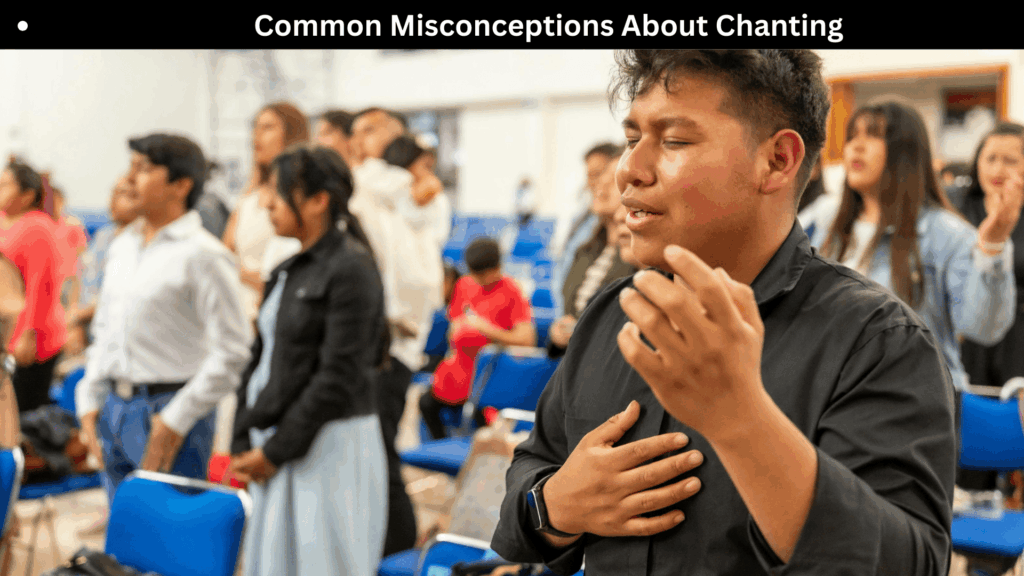
- It’s not limited to one religion
- You don’t need a perfect voice
- It’s not superstition
Chanting is about intention, not performance.
FAQs
Do I need to belong to a religion to chant?
No. Chanting can be spiritual without being religious.
How long should I chant daily?
Start with 5–10 minutes.
Can chanting reduce stress?
Yes. Studies show rhythmic sound lowers stress hormones.
Is chanting the same as meditation?
Chanting is a form of active meditation.
What is the best time to chant?
Early morning or before sleep.
Can children practice chanting?
Absolutely. It improves focus and calmness.
For further reading on meditation and sound therapy, visit Harvard Health Publishing.
Conclusion
The Spiritual Meaning of Chanting reveals that sacred sound is more than tradition — it’s transformation. Through rhythm and repetition, we discover calmness. Through devotion, we discover depth. And through consistent practice, we discover ourselves.
Chanting doesn’t demand perfection. It invites presence.