Spiritual Meaning of Amethyst: Foundations of Inner Wisdom
Spiritual Meaning of Amethyst explained in a powerful, uplifting guide revealing energy, healing, symbolism, and timeless wisdom.
Amethyst has captivated human imagination for thousands of years, not merely for its rich violet beauty, but for the profound wisdom people believe it carries. The Spiritual Meaning of Amethyst is deeply tied to clarity of mind, spiritual protection, emotional balance, and a higher sense of awareness. Across cultures and centuries, this crystal has been treasured as a bridge between the physical and spiritual worlds.
At its core, amethyst is associated with calmness and insight. Many spiritual traditions describe it as a stone that quiets mental noise and opens the doorway to inner truth. When life feels overwhelming, amethyst is often seen as a gentle guide that encourages patience, wisdom, and trust in one’s spiritual path. Its soothing energy is believed to help individuals slow down, reflect, and reconnect with their deeper values.
Historically, amethyst has symbolized sobriety and self-control. Ancient civilizations believed it protected against negative influences, whether emotional, spiritual, or environmental. This belief evolved into a broader understanding of amethyst as a guardian stone—one that shields the aura and promotes harmony within. Even today, many people turn to amethyst during times of stress, change, or spiritual growth.
The violet color of amethyst plays a powerful role in its meaning. Purple has long been associated with royalty, mystery, and divine connection. Spiritually, it represents the union of earthly stability and higher consciousness. This balance reflects why amethyst is often linked to wisdom gained through experience rather than impulse.
In modern spirituality, amethyst is commonly used during meditation and reflection. People believe it enhances focus, strengthens intuition, and supports a deeper connection to one’s inner voice. While beliefs may vary, the shared human experience around amethyst highlights its enduring role as a symbol of peace, protection, and spiritual maturity.
Origins and Natural Formation of Amethyst
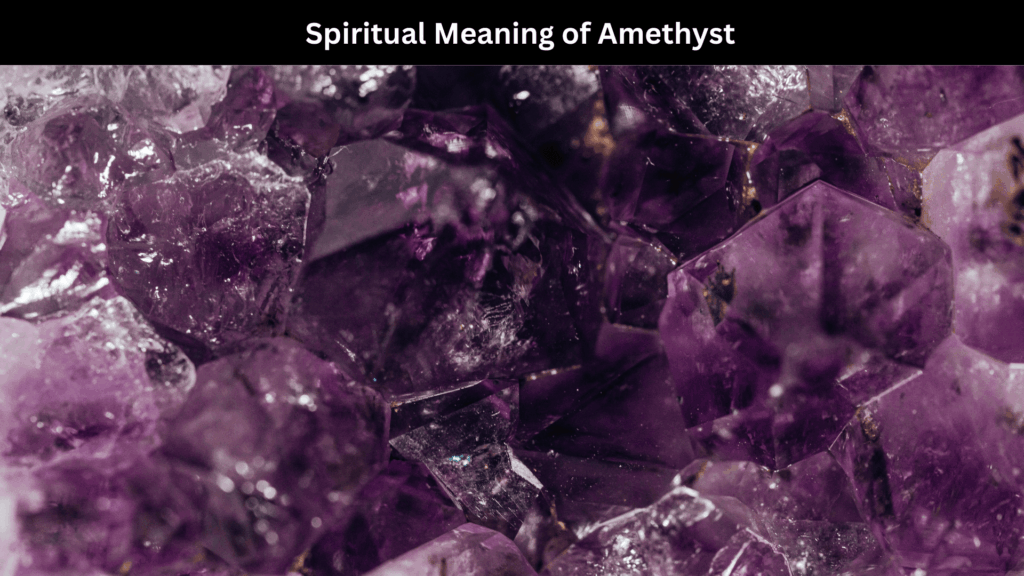
Amethyst is a variety of quartz formed deep within the Earth over millions of years. Its creation begins when silica-rich solutions fill cavities in volcanic rock. As these solutions slowly cool, crystals start to grow layer by layer. Trace amounts of iron and natural radiation interact within the stone, giving amethyst its signature purple hue.
This slow and patient process mirrors the spiritual symbolism often associated with amethyst. Just as the crystal forms gradually under pressure, many spiritual traditions view personal growth and wisdom as something that develops over time. Amethyst reminds people that true clarity and understanding cannot be rushed.
Major sources of amethyst include Brazil, Uruguay, Zambia, and parts of India. Each region produces stones with slightly different shades and energetic qualities, according to spiritual belief. Some practitioners feel that darker amethyst carries grounding energy, while lighter shades support gentle emotional healing.
Understanding where amethyst comes from helps deepen appreciation for its spiritual value. It is not simply a decorative stone but a natural expression of time, balance, and transformation. This connection to the Earth strengthens its role as a grounding yet spiritually elevating crystal.
Historical and Cultural Significance Across Civilizations
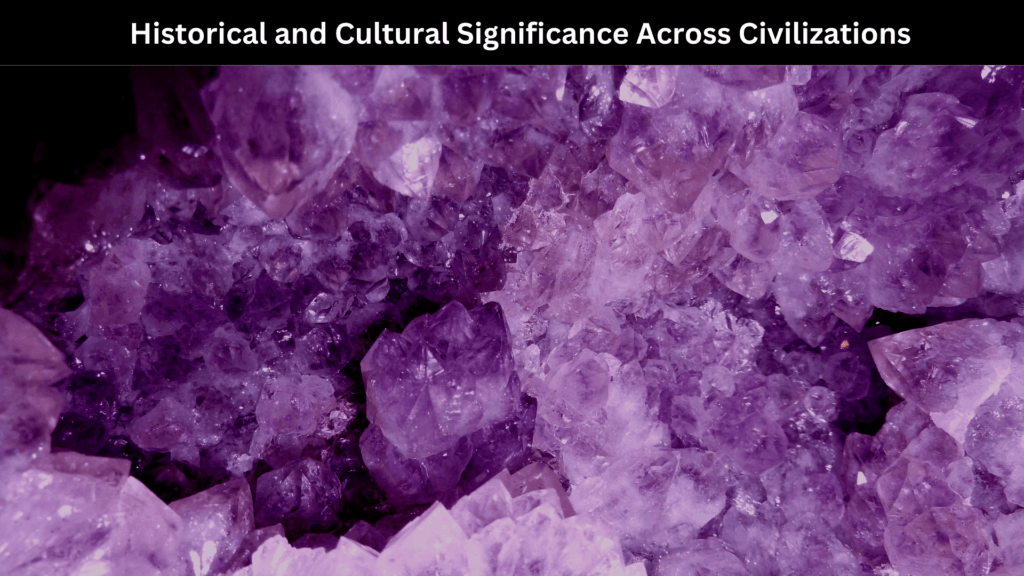
Throughout history, amethyst has held a respected place in spiritual and cultural traditions. In ancient Greece, the stone was linked to clarity of thought and protection from excess. Greek philosophers believed amethyst encouraged rational thinking and emotional control, making it a symbol of wisdom and balance.
During the Middle Ages, amethyst became closely associated with spiritual leadership. Bishops often wore amethyst rings as symbols of purity, humility, and divine connection. The stone was believed to help leaders make fair decisions guided by moral clarity rather than personal desire.
In Eastern traditions, amethyst has been used as a meditation aid, believed to support spiritual awakening and inner peace. These shared beliefs across cultures highlight a universal understanding of amethyst as a stone of insight and higher awareness.
Spiritual Meaning of Amethyst in Energy Work
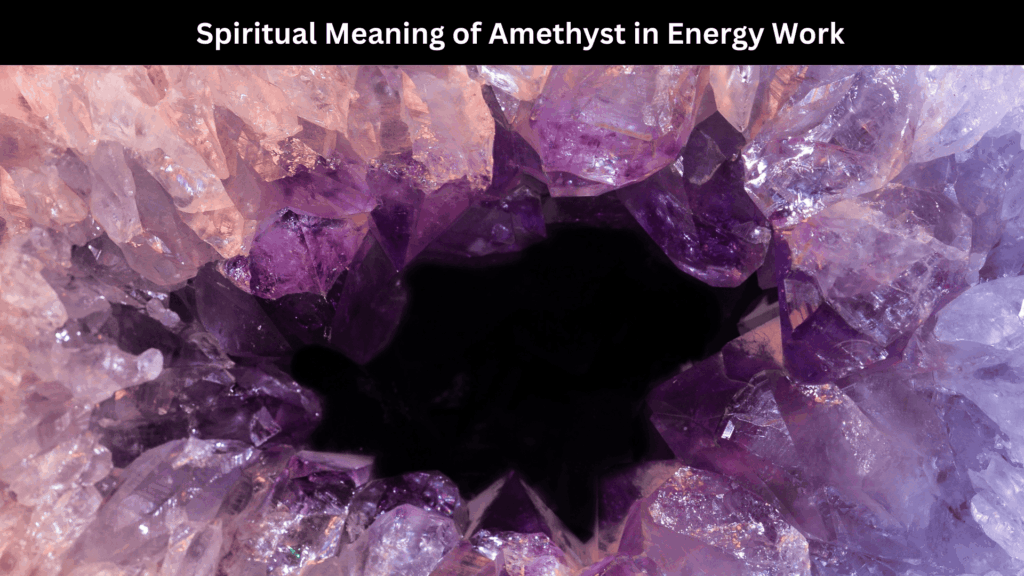
In energy-based spiritual practices, amethyst is regarded as a powerful tool for cleansing and protection. Practitioners believe it helps remove stagnant or negative energy from the aura, replacing it with calm and clarity. This makes it a popular choice for people seeking emotional renewal or spiritual grounding.
Amethyst is often placed in personal spaces to create a peaceful atmosphere. Many believe it acts like an energetic filter, softening harsh emotions and promoting understanding. In this way, the Spiritual Meaning of Amethyst becomes not just symbolic but practical within daily spiritual routines.
Amethyst and the Crown Chakra
Amethyst is most commonly associated with the crown chakra, the energy center located at the top of the head. Spiritually, the crown chakra represents higher awareness, wisdom, and connection to universal consciousness. When this chakra is balanced, individuals often feel a sense of purpose, mental clarity, and inner peace. The Spiritual Meaning of Amethyst aligns closely with these qualities, which is why the stone is frequently used in spiritual practices focused on growth and enlightenment.
Many believe that amethyst helps clear mental fog and distractions, allowing thoughts to settle naturally. This calm mental state makes it easier to listen to intuition and reflect deeply. Rather than forcing insight, amethyst is thought to gently guide the mind toward understanding. In this way, it supports learning through patience and self-awareness.
During meditation, amethyst is often placed near the head or held in the hands. Practitioners say its soothing vibration encourages mindfulness and spiritual openness. While experiences vary, the shared belief is that amethyst creates a supportive environment for inner exploration and calm reflection.
Emotional Healing and Inner Balance
One of the most valued aspects of amethyst is its reputation for emotional healing. Life brings stress, disappointment, and uncertainty, and many people seek tools that help them cope with these emotions in healthy ways. Amethyst is believed to encourage emotional stability by promoting calm responses rather than impulsive reactions.
Spiritually, amethyst is associated with releasing fear, worry, and emotional tension. It does not suppress feelings but helps individuals process them with clarity and compassion. This makes it especially meaningful during periods of grief, change, or personal growth. The stone symbolizes gentle strength—the ability to face emotions without being overwhelmed by them.
In daily life, some people keep amethyst nearby at work or at home to create a peaceful atmosphere. Others wear it as jewelry, viewing it as a reminder to stay grounded and thoughtful throughout the day. Whether used actively or symbolically, amethyst represents balance between emotion and reason.
Amethyst in Dreams and Subconscious Messages
Dreams have long been considered a gateway to the subconscious mind, and amethyst is often linked to dream clarity and insight. When amethyst appears in dreams, it is commonly interpreted as a sign of inner wisdom or spiritual guidance. Such dreams may encourage reflection, honesty, or emotional healing.
Some believe that keeping amethyst near the bed can support restful sleep and reduce mental restlessness. Spiritually, the stone is thought to calm the mind before sleep, allowing dreams to flow more naturally. While interpretations differ, many agree that amethyst-related dreams often feel meaningful and memorable.
Dream symbolism involving amethyst may suggest the need for balance, patience, or spiritual reflection. Rather than predicting events, these dreams are usually seen as invitations to look inward and trust one’s intuition.
Metaphysical Properties and Vibrational Energy
In metaphysical traditions, amethyst is described as having a high, steady vibrational energy. This vibration is believed to interact gently with the human energy field, encouraging harmony and clarity. Unlike stones associated with intense stimulation, amethyst is valued for its calming and stabilizing influence.
Practitioners often use amethyst to cleanse spaces of negative or heavy energy. It is placed in rooms where calm communication and peaceful rest are desired. The stone’s presence is believed to soften emotional tension and encourage understanding among those who share the space.
Amethyst is also used to support intention-setting. When people focus on personal goals or spiritual growth, amethyst is thought to amplify thoughtful intentions rather than impulsive desires. This reinforces its symbolic connection to wisdom and self-control.
Amethyst and Physical Wellness Beliefs
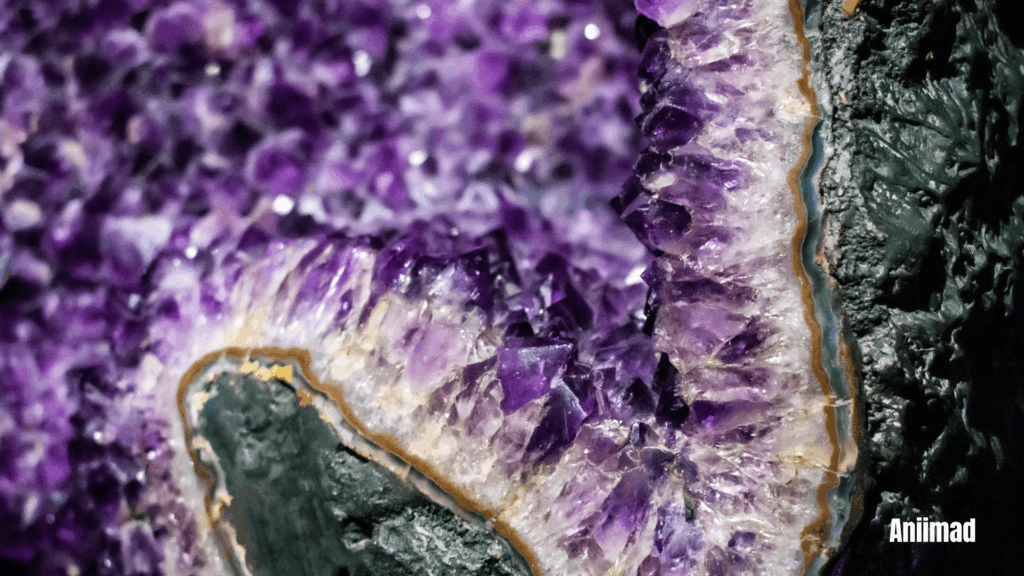
Throughout history, amethyst has been associated with physical well-being, particularly in traditional and holistic belief systems. While it is not a medical treatment, many cultures believed amethyst supported overall balance in the body by calming the nervous system and encouraging rest.
Spiritually, physical wellness is often viewed as connected to emotional and mental harmony. Amethyst symbolizes this connection by reminding individuals that inner peace can influence how the body feels. Its association with relaxation and clarity makes it a popular symbol of holistic balance.
Modern holistic practices may include amethyst as part of mindfulness routines, yoga spaces, or relaxation rituals. These uses reflect long-standing beliefs about the stone’s calming influence rather than scientific claims.
Amethyst in Modern Spiritual Practices
Today, amethyst continues to play a meaningful role in modern spiritual practices. It is commonly used in meditation spaces, yoga studios, and personal altars. Many people appreciate its visual beauty as well as its symbolic meaning.
Crystal grids often include amethyst as a central stone for clarity and protection. In these arrangements, amethyst represents focused intention and thoughtful awareness. It is also used in feng shui to promote calm energy in living spaces, especially in areas dedicated to rest or reflection.
Despite changing trends, the spiritual appeal of amethyst remains consistent. It represents balance in a fast-paced world and encourages individuals to slow down and reflect.
Choosing, Cleansing, and Caring for Amethyst
Selecting amethyst is often described as a personal experience. Some people choose based on color and clarity, while others rely on intuition. Spiritually, it is believed that the right stone resonates naturally with its owner.
Cleansing amethyst is an important practice for those who work with crystal energy. Common methods include placing it under moonlight, rinsing it gently with water, or setting an intention through mindfulness. These practices are symbolic ways of refreshing the stone’s energy.
Caring for amethyst also means handling it with respect. Avoiding harsh sunlight and physical damage helps preserve both its beauty and symbolic value.
Ethical Sourcing and Environmental Awareness
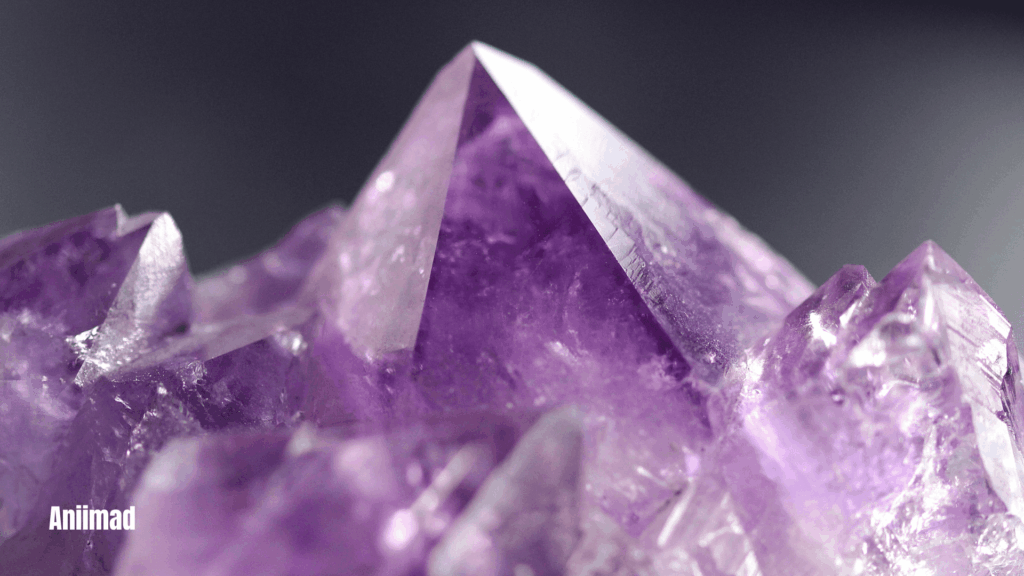
As interest in crystals grows, ethical sourcing has become increasingly important. Spiritually minded individuals often emphasize respect for the Earth when using natural stones. Ethically sourced amethyst reflects a balance between spiritual practice and environmental responsibility.
Choosing responsibly mined stones supports fair labor practices and reduces environmental harm. From a spiritual perspective, this respect enhances the meaning of working with amethyst, aligning personal growth with global awareness.
FAQs
What does amethyst symbolize spiritually?
Amethyst is commonly associated with wisdom, protection, emotional balance, and spiritual awareness.
Can amethyst help with meditation?
Many people believe amethyst supports focus, calmness, and deeper reflection during meditation.
Is amethyst connected to any chakra?
Yes, it is traditionally linked to the crown chakra, associated with higher consciousness.
How should amethyst be cleansed?
Common methods include moonlight exposure, gentle water rinsing, or mindful intention setting.
Can amethyst be worn daily?
Many people choose to wear it daily as a symbol of calm and spiritual protection.
Where can I learn more about crystal history?
You can explore additional insights at reputable educational sources such as the Smithsonian Institution.